









Kidney stones are a painful and often frightening condition that affects millions of people worldwide. Many individuals discover they have kidney stones only when severe pain suddenly appears, while others live with them silently for years. Understanding how kidney stones form, how they affect the body, and which supportive methods people traditionally use can help reduce fear and improve awareness.
This article explores kidney stones in a clear, educational way and explains a traditional syrup that has been widely used as supportive care, always emphasizing the importance of medical supervision.
What Are Kidney Stones?
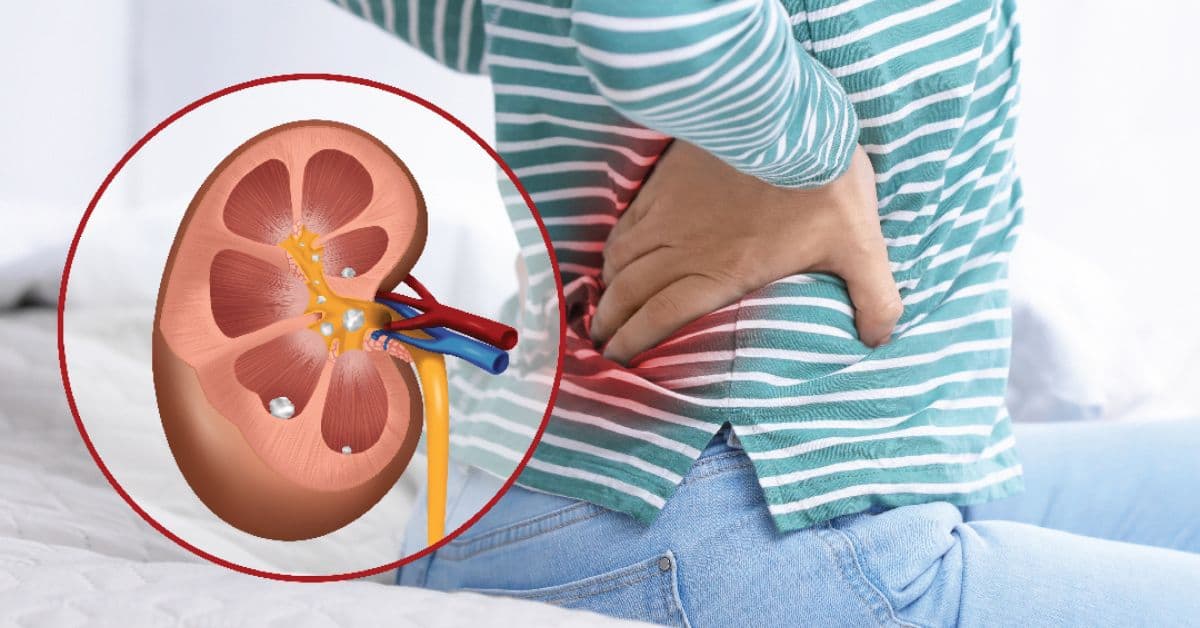
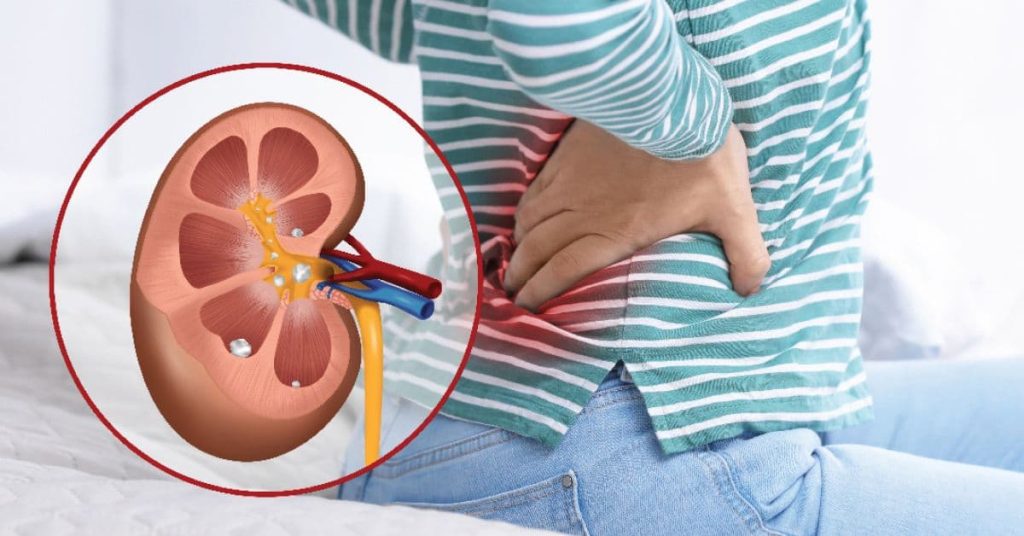
Kidney stones are solid mineral deposits that form inside the kidneys when certain substances in urine become highly concentrated. Over time, these substances crystallize and harden, forming stones of different sizes and compositions.
Depending on their size and location, kidney stones may remain unnoticed or cause intense pain when they begin to move through the urinary tract.
Types of Kidney Stones
Kidney stones vary in composition, which affects how they form and how they are managed. The most common types include oxalate stones, uric acid stones, phosphate stones, cystine stones, and mixed stones. Each type forms under different conditions, such as dehydration, dietary habits, metabolic disorders, or genetic factors.
Understanding stone composition is crucial, as treatment and prevention strategies differ for each type.
Symptoms You Should Never Ignore
Some kidney stones cause no symptoms at all until they start moving. When movement occurs, pain can be sudden and severe. Many people describe it as one of the strongest pains they have ever experienced.
Common symptoms include sharp pain in the lower back or side, pain radiating toward the groin, blood in the urine, nausea, vomiting, and frequent urination. In some cases, fever may develop if an infection is present.
Why Kidney Stones Are So Painful
The pain associated with kidney stones occurs when a stone blocks urine flow or irritates the urinary tract. The ureter, which carries urine from the kidney to the bladder, contracts in an attempt to move the stone. These contractions cause intense spasms and inflammation, leading to severe discomfort.
Medical Treatment Options
Doctors usually encourage the natural passage of small stones through increased fluid intake and pain management. Medications may be prescribed to relax the urinary tract and reduce discomfort.
Larger stones that cannot pass on their own may require medical procedures such as shock wave lithotripsy or surgery. Because kidney stones can lead to complications, professional medical evaluation is always essential.
Why Some People Look for Supportive Natural Methods
In addition to medical treatment, many people seek supportive lifestyle or dietary approaches to help their kidneys function optimally. Traditional remedies have been passed down through generations, often aimed at supporting urine flow, hydration, and metabolic balance.
It is important to clarify that natural methods do not replace medical treatment, but some people use them as complementary support under supervision.
A Traditional Syrup Used as Supportive Care
In traditional practices, certain natural ingredients have been combined into syrups intended to support kidney function. These mixtures are believed to influence urine acidity, hydration, and metabolic processes related to stone formation.
Such syrups are not medicines but are used as part of a broader lifestyle approach, including increased water intake and dietary balance.
Ingredients Commonly Used in This Traditional Syrup (Single List)
- Maple syrup, parsley root, natural honey, olive oil, and whole lemon with peel
Why These Ingredients Are Traditionally Combined
Parsley root has long been associated with urinary support in folk medicine. Lemon contains natural acids that may influence urine chemistry, while olive oil is traditionally believed to support digestion and fat metabolism. Honey and maple syrup are used for consistency and palatability, as well as for their natural antioxidant properties.
Together, these ingredients form a syrup-like mixture traditionally used in small quantities.
How the Syrup Is Traditionally Prepared
The lemon is washed thoroughly and chopped with its peel, while the parsley root is cleaned and finely chopped. All ingredients are blended together until a smooth mixture forms. The syrup is stored in a sealed container in the refrigerator to maintain freshness.
This preparation method has been passed down as a household tradition rather than a medical protocol.
Traditional Usage Approach
Traditionally, one tablespoon of the syrup is taken in the morning on an empty stomach, followed by increased water intake throughout the day. Hydration plays a key role in kidney health and is essential regardless of whether supportive remedies are used.
Consistency and moderation are emphasized in traditional use.
The Role of Hydration in Kidney Health
Adequate water intake is one of the most important factors in preventing kidney stones. Water helps dilute urine and reduces the concentration of stone-forming substances. Without sufficient hydration, even the best dietary strategies are less effective.
Doctors consistently stress hydration as a cornerstone of kidney stone prevention.
Safety Considerations and Medical Responsibility
Not all kidney stones are the same, and not all bodies react the same way. Some stones can grow larger or cause complications if not properly monitored. People with chronic kidney disease, diabetes, or gastrointestinal disorders should never try supportive remedies without medical approval.
If pain worsens, blood in urine increases, or fever develops, immediate medical attention is required.
Why Medical Supervision Is Essential
Kidney stones can damage kidney tissue or cause infections if left untreated. Professional evaluation allows doctors to identify stone type, size, and location, which determines the safest treatment plan.
Supportive remedies should always be viewed as complementary, not curative.
Prevention Starts With Awareness
Understanding how kidney stones form empowers people to make better lifestyle choices. Balanced nutrition, hydration, and early symptom recognition can significantly reduce recurrence.
Education remains one of the strongest preventive tools.
Final Thoughts on Kidney Stone Management
Kidney stones are common but manageable when addressed responsibly. Modern medicine offers effective solutions, while traditional practices may provide comfort and support when used wisely.
The key is balance: medical care, informed decisions, and healthy daily habits.
Vau.ge – Your Daily Guide for Practical Advice!
Vau.ge is a place where caring for your health, beauty, and daily routines becomes a natural, accessible, and enjoyable experience. Our main goal is to provide you with reliable information about natural remedies, homemade recipes, and practical tips that help you live a healthier life, look better, and simplify your everyday tasks without unnecessary expenses.
Our tips are easy to incorporate into your everyday life — whether it’s skincare, haircare, health-boosting remedies, or small tricks to save time. This knowledge will not only improve your own life but also allow you to share the experience with others, giving more people the chance to live a balanced life naturally and economically.
Please note: The articles on our website are for informational purposes only and do not replace professional medical advice. If you have serious health concerns, please consult a qualified specialist.