













Cold hands are one of those symptoms people tend to ignore. Many assume it is simply a reaction to winter weather, low temperatures, or poor circulation caused by cold air. While seasonal cold does play a role, frequently cold hands can be a signal from your body that something deeper is going on.
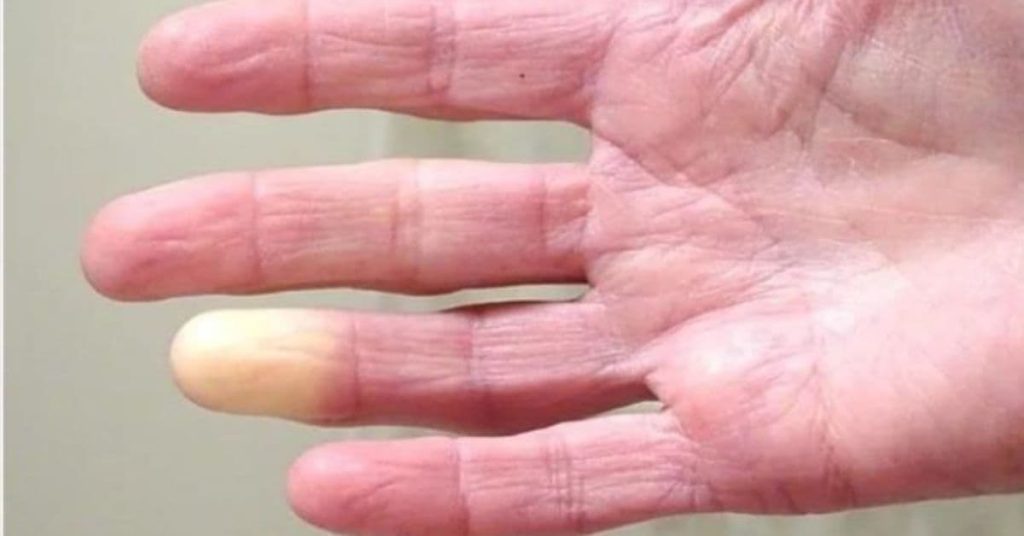
For some people, hands feel cold even indoors, during mild weather, or despite wearing warm clothing. This persistent coldness is not always harmless. In many cases, it reflects underlying issues related to blood circulation, nutrition, stress, or lifestyle habits.
Understanding the real reasons behind cold hands can help you take action before the problem worsens or begins to affect your overall health.
Why the Body Prioritizes Vital Organs Over Hands
When temperatures drop or the body is under stress, it instinctively redirects blood and heat toward vital organs such as the heart, brain, and lungs. This survival mechanism helps protect life-sustaining functions but comes at a cost — reduced blood flow to the extremities.
Hands and feet are often the first to feel cold because they are farthest from the heart and rely heavily on healthy circulation. When blood supply decreases, skin temperature drops, and hands may feel icy, numb, or stiff.
Anemia: A Common but Overlooked Cause
One of the most common medical reasons for chronically cold hands is anemia. Anemia occurs when the body does not have enough red blood cells or hemoglobin to transport oxygen efficiently.
Oxygen-rich blood is essential for maintaining warmth in tissues. When oxygen delivery is reduced, extremities such as hands and feet are affected first. People with anemia often experience additional symptoms such as weakness, pale skin, dizziness, and fatigue.
Cold hands in this case are not just a comfort issue — they are a sign that tissues are not receiving enough oxygen.
Poor Blood Circulation and Its Impact on Hand Temperature
Healthy blood circulation ensures that warmth is distributed evenly throughout the body. When circulation is impaired, blood does not reach the extremities efficiently, causing hands and feet to feel cold.
Circulatory issues can develop due to sedentary lifestyle, prolonged sitting, vascular problems, or underlying conditions. Even mild circulation disturbances can result in noticeable temperature differences between the core of the body and the hands.
This type of coldness often feels persistent and does not improve easily with gloves or warm environments.
Low Blood Pressure and Chronic Coldness
Low arterial blood pressure is another frequently ignored cause of cold hands. When blood pressure is low, the force pushing blood through the vessels is weaker, reducing circulation to peripheral areas.
People with low blood pressure often experience chronic fatigue, blurred vision, dizziness, and sensitivity to cold. Hands may feel cold even when the rest of the body feels normal.
In such cases, cold hands are part of a broader pattern rather than an isolated symptom.
Vitamin B12 Deficiency and Nerve Sensitivity
Vitamin B12 plays a crucial role in nerve function and blood cell production. A deficiency can lead to neurological symptoms and impaired circulation.
People who follow vegetarian or vegan diets are at higher risk of B12 deficiency if they do not supplement adequately. When B12 levels are low, nerve signaling may be disrupted, and blood flow regulation can be affected, resulting in cold or numb hands.
Over time, untreated deficiency may lead to tingling sensations, weakness, and balance problems.
Smoking and Its Direct Effect on Blood Flow
Smoking has a powerful constricting effect on blood vessels. Nicotine causes vessels to narrow, reducing blood flow to the extremities. As a result, hands and feet often feel cold, especially in smokers.
Long-term smoking damages blood vessels, making the problem more severe and persistent. Even young smokers may notice cold hands as an early sign of vascular stress.
This is one of the clearest examples of how lifestyle choices directly influence circulation.
Stress: The Invisible Trigger Behind Cold Hands
Stress affects the body far beyond emotions. When a person is under stress, the body releases hormones that prepare it for “fight or flight.” Blood is redirected toward vital organs and muscles, away from the extremities.
Chronic stress keeps the body in a constant state of tension, leading to persistent cold hands and feet. Many people are unaware that emotional stress alone can cause physical symptoms such as coldness, numbness, or tingling.
In this case, cold hands are not caused by temperature, but by internal physiological responses.
When Cold Hands Are a Warning Sign
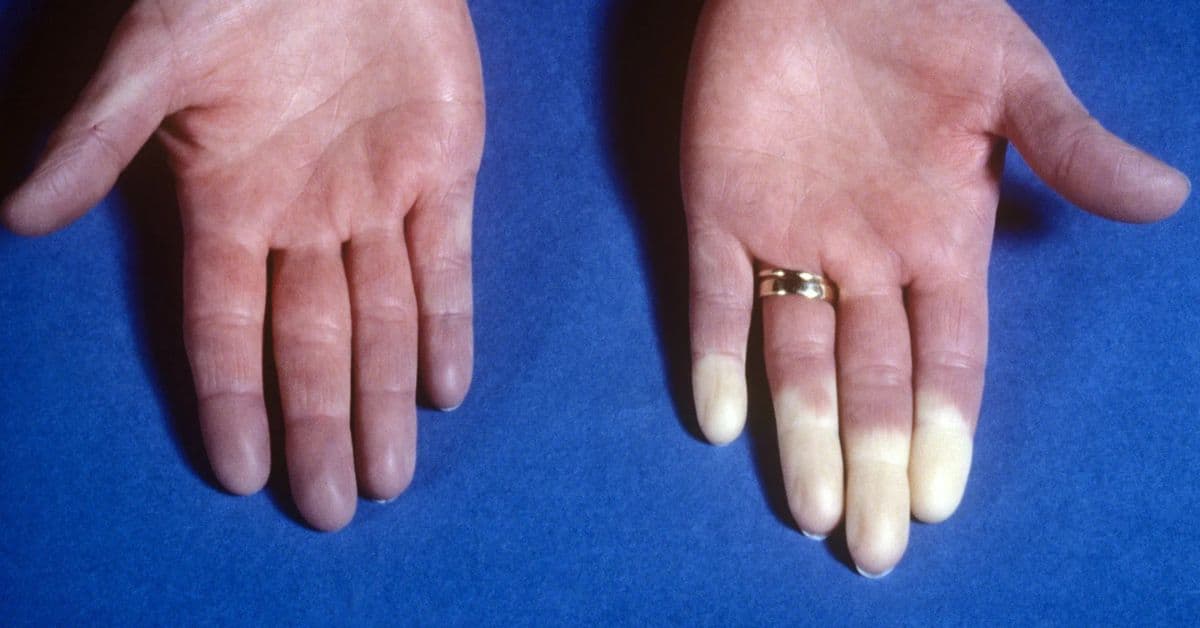
Occasional cold hands are normal, especially in cold weather. However, frequent or persistent coldness, particularly when accompanied by fatigue, dizziness, numbness, or color changes in the skin, should not beignored.
Cold hands may be an early sign of circulation problems, nutritional deficiencies, or hormonal imbalances. Identifying the cause early allows for timely intervention and prevents long-term complications.
Why Warming the Hands Is Not Enough
Many people try to solve the problem by wearing gloves or using hand warmers. While these measures provide temporary comfort, they do not address the root cause.
If the underlying issue is related to blood flow, oxygen delivery, or nerve function, external warmth will only mask the symptom. True improvement comes from supporting circulation, nutrition, stress management, and overall health.
A Responsible Approach to Cold Hands
Cold hands are a symptom, not a diagnosis. They can be harmless, but they can also be a signal that your body needs attention. Listening to these signals is an important part of preventive health care.
If cold hands persist or worsen, consulting a healthcare professional is the safest step.
Why Awareness Matters
Many people live for years with cold hands without realizing there may be a medical explanation. Awareness empowers individuals to recognize when a simple discomfort may point to a deeper issue.
Taking cold hands seriously can lead to earlier diagnosis, better lifestyle choices, and improved quality of life.
Vau.ge – Your Daily Guide for Practical Advice!
Vau.ge is a place where caring for your health, beauty, and daily routines becomes a natural, accessible, and enjoyable experience. Our main goal is to provide you with reliable information about natural remedies, homemade recipes, and practical tips that help you live a healthier life, look better, and simplify your everyday tasks without unnecessary expenses.
Our tips are easy to incorporate into your everyday life — whether it’s skincare, haircare, health-boosting remedies, or small tricks to save time. This knowledge will not only improve your own life but also allow you to share the experience with others, giving more people the chance to live a balanced life naturally and economically.
Please note: The articles on our website are for informational purposes only and do not replace professional medical advice. If you have serious health concerns, please consult a qualified specialist.