















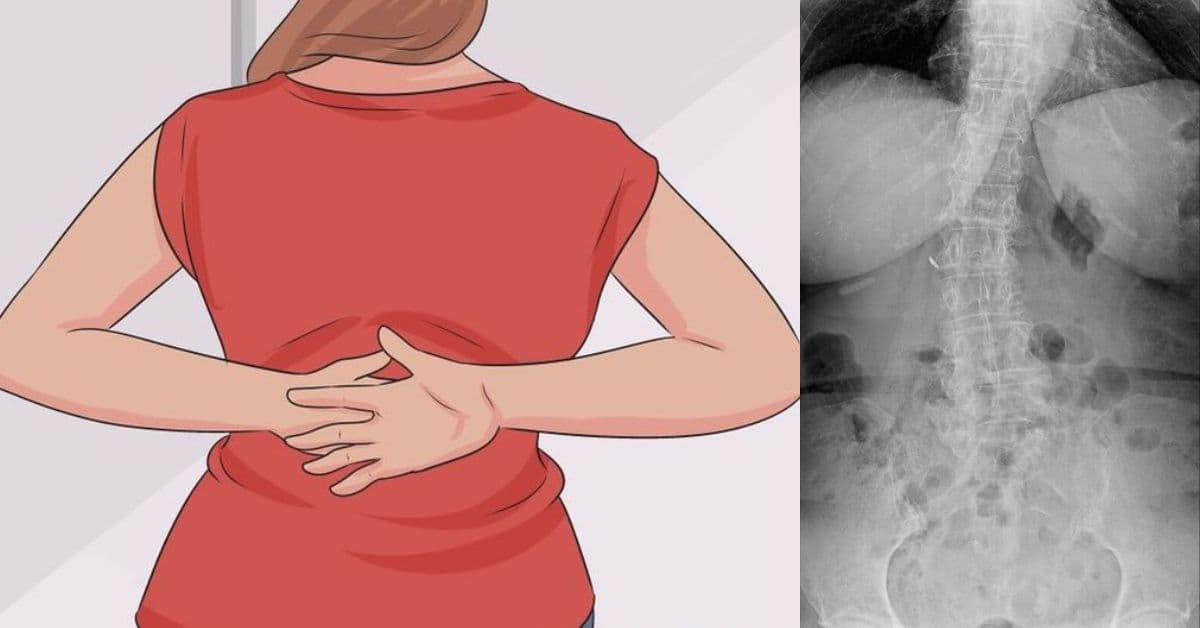
Back pain has quietly become one of the most common health complaints of modern life. As the years pass, many people begin to notice stiffness, tension, or persistent pain in their lower or upper back, often dismissing it as a normal part of aging. However, the truth is far more complex. Studies show that nearly 80 percent of adults in the United States experience back pain at least once in their lifetime, and similar statistics are observed worldwide. While age does play a role, it is rarely the main cause.
In most cases, back pain develops because of the way we sit, stand, sleep, and move every single day. Poor posture, long hours in one position, improper lifting techniques, and insufficient rest slowly strain the spine until pain becomes unavoidable. The good news is that many of these causes are preventable once you understand how your daily habits affect your back.
How Everyday Habits Slowly Damage the Spine
The human spine is designed to support movement, flexibility, and balance. It thrives on motion and proper alignment. Unfortunately, modern lifestyles often do the opposite. Long hours spent sitting at desks, working on computers, driving, or scrolling on phones place constant pressure on the same areas of the spine. Over time, muscles weaken, joints stiffen, and the natural curves of the spine become distorted.
What makes this especially dangerous is that the damage happens gradually. At first, there may only be mild discomfort or fatigue. Eventually, this turns into sharp pain, morning stiffness, or pain that worsens with movement. Many people only start paying attention when the pain interferes with sleep or daily activities.
The Hidden Impact of Sitting the Wrong Way
Sitting may seem harmless, but it is one of the most common causes of back pain. When you sit incorrectly, your spine loses its natural alignment. Slouching forward, rounding the shoulders, or letting the head lean too far ahead puts excessive pressure on the lower back and neck.
Proper sitting posture plays a crucial role in spinal health. When the back is straight, shoulders relaxed and drawn slightly back, and feet firmly placed on the floor, the spine remains supported. Keeping the neck aligned with the spine reduces strain on the cervical area, which is often responsible for headaches and upper back pain.
The position of your computer screen also matters more than most people realize. If the monitor is too high or too low, your neck compensates, creating constant tension. Over time, this tension spreads to the shoulders and upper back, leading to chronic discomfort.
Standing Posture Matters More Than You Think
Standing incorrectly can be just as harmful as sitting. Many people unconsciously shift their weight onto one leg, lock their knees, or arch their lower back excessively. These habits place uneven pressure on the spine and surrounding muscles.
When body weight is not evenly distributed, certain muscles are forced to work harder than others. This imbalance leads to muscle fatigue, inflammation, and eventually pain. Proper standing posture requires awareness. The body should feel balanced, with shoulders relaxed, spine upright, and weight evenly supported by both feet.
Good posture while standing helps the spine maintain its natural alignment and reduces unnecessary strain on joints and muscles.
Why Bending and Lifting Cause Back Pain
Everyday movements like bending to tie shoes or pick up objects can cause serious harm if done incorrectly. The spine is especially vulnerable during bending and lifting motions. Many people instinctively bend from the waist with straight legs, placing enormous pressure on the lower back.
Correct movement involves bending the knees and keeping the feet flat on the ground. This allows the legs, rather than the back, to carry most of the load. Moving slowly and deliberately reduces the risk of sudden strain or injury.
Repeated incorrect bending is one of the most common reasons people develop chronic lower back pain, especially as they age.
The Role of Sleep in Back Pain
Many people wake up with back pain and assume the problem started overnight. In reality, poor sleeping positions and inadequate support can worsen existing issues. A mattress that is too soft or too firm can force the spine into unnatural positions for hours at a time.
Sleeping positions significantly affect spinal health. When lying on the back, placing a pillow under the knees helps maintain the natural curve of the lower spine. Side sleeping can also be beneficial if a pillow is placed between the knees to keep the hips aligned.
Quality sleep allows muscles to relax and recover. Without proper support, the spine remains under stress even during rest.
Why Back Pain Increases with Age
As the body ages, muscles naturally lose strength and flexibility. Joints become stiffer, and recovery takes longer. While aging itself does not cause back pain, it makes the spine more sensitive to poor habits.
This is why posture, movement, and sleep become increasingly important over time. Small adjustments can make a significant difference in preventing pain and maintaining mobility.
Prevention Is More Powerful Than Treatment
The most effective way to deal with back pain is to prevent it before it becomes severe. Paying attention to posture, movement, and daily habits protects the spine from unnecessary strain. Consistency matters more than perfection. Small changes practiced daily can lead to long-term relief.
Back pain is not an inevitable part of life. In many cases, it is the result of habits that can be corrected with awareness and care.
Final Thoughts: Listen to Your Spine Before It Screams
Back pain often starts as a whisper — a mild ache, stiffness, or fatigue. Ignoring these early signs allows the problem to grow until it becomes impossible to overlook. Your spine supports every movement you make, and it responds quickly when treated with respect.
By sitting correctly, standing with balance, bending safely, and sleeping in supportive positions, you give your back the chance to stay strong and pain-free. Prevention begins with understanding, and understanding begins with paying attention to how you move every day.
Your back works hard for you. It deserves the same care in return.
Vau.ge – Your Daily Guide for Practical Advice!
Vau.ge is a place where caring for your health, beauty, and daily routines becomes a natural, accessible, and enjoyable experience. Our main goal is to provide you with reliable information about natural remedies, homemade recipes, and practical tips that help you live a healthier life, look better, and simplify your everyday tasks without unnecessary expenses.
Our tips are easy to incorporate into your everyday life — whether it’s skincare, haircare, health-boosting remedies, or small tricks to save time. This knowledge will not only improve your own life but also allow you to share the experience with others, giving more people the chance to live a balanced life naturally and economically.
Please note: The articles on our website are for informational purposes only and do not replace professional medical advice. If you have serious health concerns, please consult a qualified specialist.