





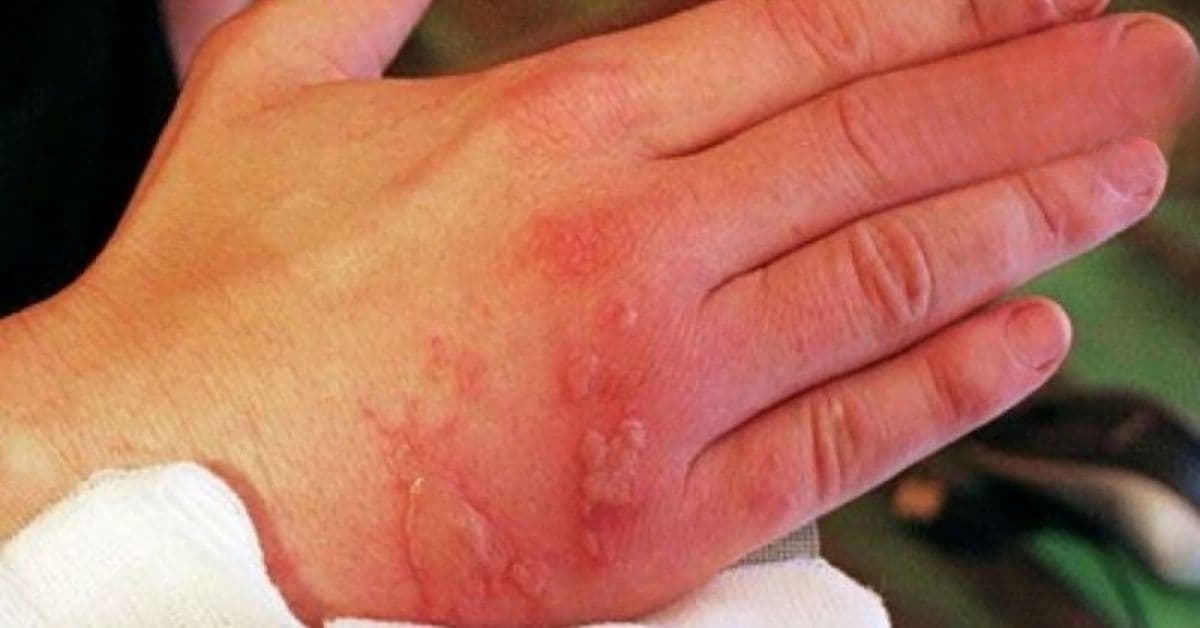
Burn injuries happen suddenly and without warning. One careless moment in the kitchen, a pot of boiling water, hot oil, steam, or an overheated surface is enough to damage the skin and cause intense pain. Many people panic in such situations and act instinctively, often making mistakes that later lead to infection, scarring, or prolonged healing.
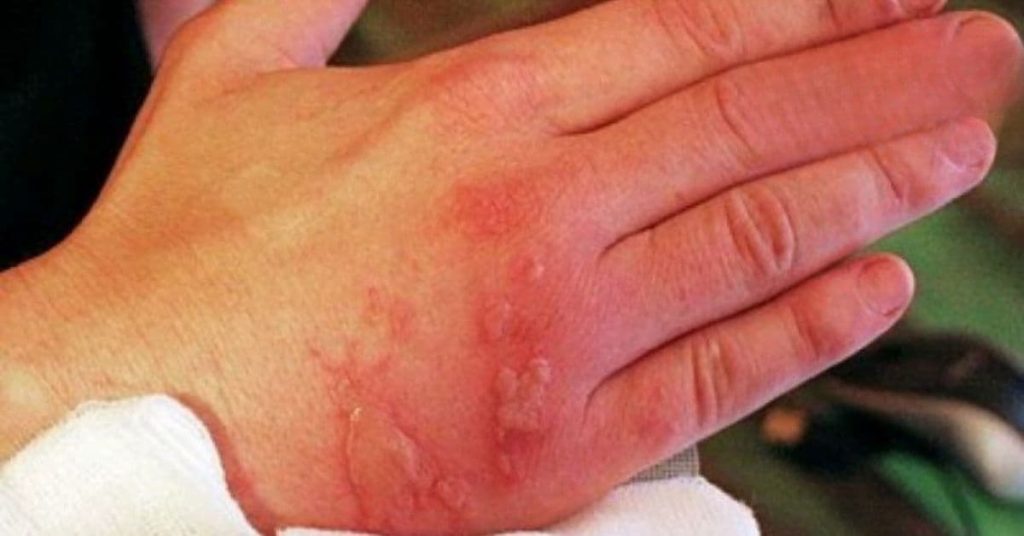
I decided to share my experience with those who trust traditional folk medicine, because long before modern pharmacies existed, people relied on natural remedies to ease pain and support the body’s natural healing process.
Many years ago, my father-in-law suffered a serious household accident. Boiling water spilled onto his arms and legs. The pain was immediate and severe. The skin reddened, blisters formed, and he could barely move. During his recovery, alongside medical supervision, I was introduced to several folk remedies that had been passed down through generations. These methods were used not as a replacement for doctors, but as supportive care that helped calm pain and protect the damaged skin.
This article is based on traditional knowledge documented in “2000 Herbal Healing Recipes” and is shared for informational purposes only.
Why Burns Require Immediate and Proper Care
A burn is not just a surface injury. Depending on its severity, it can damage deeper layers of the skin and affect nerves and blood vessels. Improper care can lead to serious complications, including:
- Long-lasting inflammation
- Open wounds and ulcer formation
- Secondary infections
- Permanent scars
- Increased sensitivity of the skin
The first reaction after a burn plays a crucial role in how well the skin recovers. This is why traditional remedies were historically used to cool the skin, reduce pain, and support regeneration.
Traditional Folk Remedies Used for Burns
(External use only)
Below are folk methods that have been used for decades. Each remedy should be applied carefully and only for mild to moderate burns. Severe or extensive burns require immediate medical attention.
1. Plantain and Egg White Paste
- Take 50 grams of fresh plantain
- Grind it using a meat grinder or blender
- Mix thoroughly with one raw egg white
- Apply the paste gently to the burned area
In folk medicine, plantain is valued for its skin-soothing properties. Combined with egg white, it is traditionally believed to calm pain and create a protective layer over damaged skin.
2. Pumpkin Juice Compress
- Extract fresh pumpkin juice
- Soak clean gauze or cloth in the juice
- Apply as a compress to the burn
- Replace as needed
Pumpkin juice is traditionally used to cool overheated skin and reduce irritation caused by burns.
3. Dry Tea Powder
- Finely grind dry black tea leaves
- Lightly sprinkle over the burned area
In folk practice, dry tea is used to help dry the surface of the burn and reduce discomfort.
4. Corn Flour, Chalk, and Oil Mixture
- Mix burnt corn or corn flour
- Add chalk
- Add vegetable or olive oil
- Stir until a smooth mixture forms
- Apply gently to the burned skin
In some households, oil was traditionally applied using a soft chicken feather to minimize pain during application.
5. Raw Potato Compress
- Peel a raw potato
- Grate it finely
- Spread the pulp on clean gauze
- Wrap the affected area
- Replace the compress once it becomes warm
Raw potato is commonly used in folk medicine to draw out heat and reduce swelling.
6. Olive Oil, Sour Cream, and Egg Yolk Mixture
- Mix 1 tablespoon olive oil
- Add 2 tablespoons sour cream
- Add 1 egg yolk
- Whisk thoroughly until smooth
- Apply a thick layer to the burn
- Cover with a clean bandage
The dressing is traditionally changed once per day. This mixture is believed to nourish the skin and reduce dryness.
7. Unsalted Beef Fat and Eggs
- Take unsalted beef fat
- Mix with the contents of four fresh eggs (without shells)
- Apply the mixture to the burned area
- Cover with a bandage
Once the ointment dries, it is replaced with a fresh layer. This method was traditionally used even for larger burns, always with caution.
8. Honey for Burn Care
- Apply a thin layer of natural honey to the burned area
Honey has been used in folk medicine for centuries. It is traditionally believed to:
- Reduce pain
- Slow blister formation
- Prevent ulcer development
- Support faster skin recovery
Important Safety Notes
- All remedies are for external use only
- Do not apply to deep, open, or infected wounds
- Stop use immediately if irritation occurs
- Seek professional medical help for severe burns, fever, pus, or worsening symptoms
Final Thoughts
Burns occur unexpectedly, but recovery depends largely on how we respond afterward. Traditional folk remedies represent centuries of human experience and observation. When used responsibly and with caution, they may help soothe pain and support the skin’s natural healing process.
Sometimes, simple knowledge passed down from generation to generation becomes the most valuable first aid of all.