

For a long time, I believed that diabetes only affected people who consumed excessive amounts of sugar. That belief changed the day my mother-in-law was diagnosed with type 2 diabetes. It was then that I learned the condition has far deeper causes, connected to how the body produces insulin or how cells respond to it.
 Glucose, as I came to understand, is the body’s main source of energy, while insulin acts as the key that allows this energy to enter the cells. When this process is disrupted, blood sugar levels rise. My mother-in-law took her diagnosis seriously and followed her doctor’s instructions carefully. She never stopped her prescribed treatment. However, alongside medical care, she also turned to traditional herbal practices that had been used in our region for generations.
Turning to Folk Knowledge Alongside Medical Care
At first, herbal remedies were something she approached cautiously. She did not believe they could replace medication, but she was curious whether they could support her body in a gentle way. This approach reflects an important principle of folk medicine: herbs are not used to replace doctors, but to support the body under professional supervision.
Over time, her kitchen shelf began to resemble a small herbal pharmacy. Among many plants, one stood out more than the rest — nettle.
Why Nettle Has a Special Place in Folk Practice
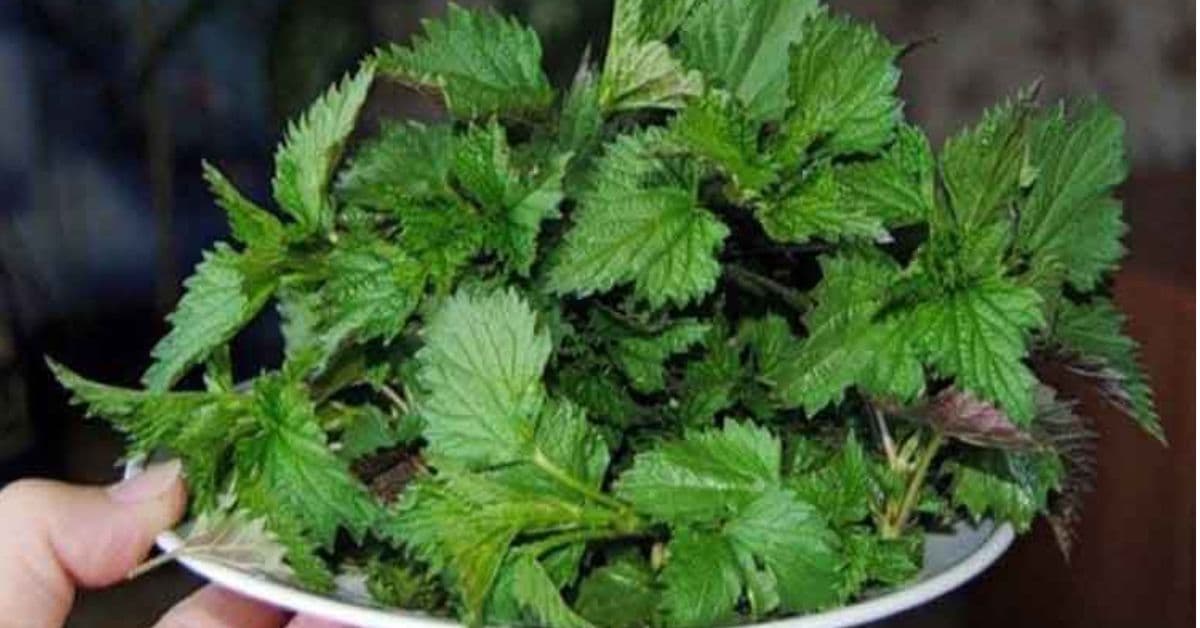
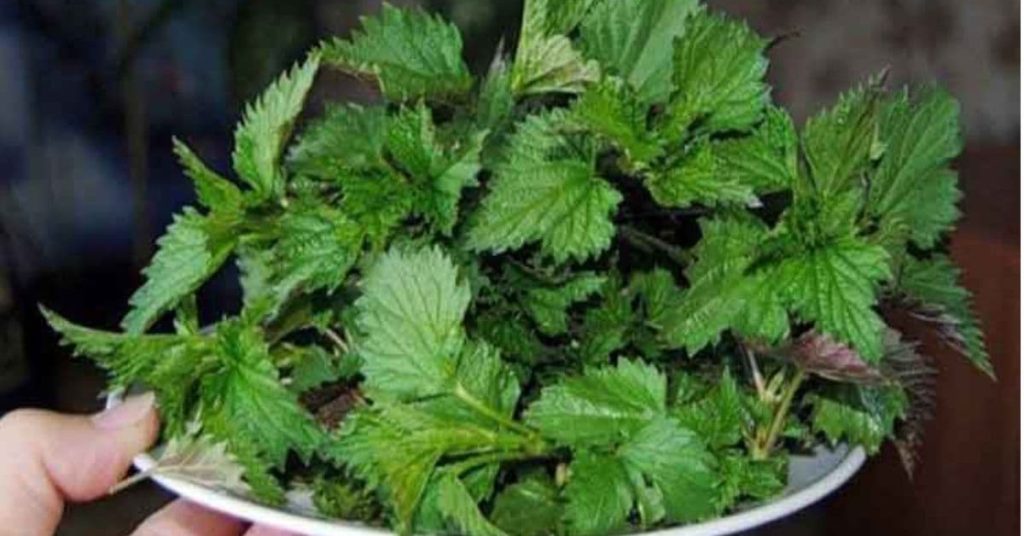
Nettle is a plant many people avoid due to its stinging nature. Yet folk medicine has valued it for centuries. In our traditions, nettle has been used in cases where the body’s natural resistance is weakened. It has also been associated with supporting blood quality, especially in people dealing with anemia or chronic fatigue.
Modern research has identified numerous biologically active compounds in nettle, which helps explain why it holds such a strong reputation in traditional care. What surprised me most was learning that nettle leaves have long been used in folk practice to support balanced blood sugar levels.
Traditional Nettle Infusion as Supportive Care
My mother-in-law prepared nettle infusion following a traditional method. Fresh nettle leaves were steeped overnight in hot water, creating a strong herbal drink. She consumed it in small amounts before meals for a limited period, never exceeding two weeks. This caution was intentional, as folk knowledge warns that nettle may affect blood clotting if used excessively.
Throughout this time, she monitored her blood sugar levels regularly. This was not optional, but essential. The infusion was treated as supportive care only, never as a replacement for medical monitoring or prescribed therapy.
Rotating Herbs and Listening to the Body
After completing one course, she did not continue with nettle immediately. Instead, she rotated herbs, preparing infusions from other leaves traditionally associated with metabolic balance. This rotation is a common principle in folk medicine, intended to avoid overloading the body with a single plant.
Throughout the process, blood sugar measurements guided every decision. If levels shifted unexpectedly, herbal use was paused and discussed with her doctor.
Oats, Fermented Dairy, and Folk Digestive Balance
Another traditional preparation she tried involved oats combined with kefir or hot water. This mixture was allowed to stand before being gently heated and consumed twice daily. In folk belief, oats are associated with steady energy release and digestive comfort, which may indirectly support metabolic balance.
Again, this method was used consistently over time, not as a quick solution. Patience was key.
Horseradish and Kefir in Traditional Use
In some traditions, horseradish juice combined with kefir is believed to support metabolism. My mother-in-law approached this method with caution, using very small amounts and observing her body’s response closely.
This reflects an important lesson: folk remedies are not universally suitable. Individual response matters more than tradition.
Herbal Blends and Ongoing Monitoring
At one stage, she also used blended herbal infusions containing leaves and flowers traditionally associated with metabolic and digestive support. These were taken after meals and always alongside regular blood sugar monitoring.
Importantly, decisions about continuing or stopping these infusions were made together with her healthcare provider. Folk practice and medical care worked side by side, not in opposition.
What This Experience Taught Me
Over time, my mother-in-law’s overall condition stabilized. She felt more energetic, her digestion improved, and her blood sugar readings became more predictable. Was this due solely to herbs? No. It was the result of discipline, medical care, lifestyle changes, and careful use of traditional support.
This experience taught me that folk remedies should never be framed as cures. Their value lies in supporting the body, encouraging routine, and helping people feel more engaged in their own care.
A Responsible Perspective on Diabetes and Folk Remedies
Diabetes is a serious chronic condition. No herb, infusion, or food can “defeat” it. Claims suggesting otherwise can be dangerous. However, traditional practices may offer supportive benefits when used responsibly, briefly, and under medical supervision.
Monitoring blood sugar levels, following prescribed treatment, and consulting healthcare professionals are non-negotiable steps.
Final Thoughts
My mother-in-law did not defeat diabetes. She learned to live with it wisely. Folk remedies like nettle became part of her routine, not as a miracle, but as a supportive tradition that helped her feel more balanced and involved in her own well-being.
Sometimes, healing is not about finding a cure, but about building sustainable habits that respect both tradition and modern medicine.
Vau.ge – Your Daily Guide for Practical Advice!
Vau.ge is a place where caring for your health, beauty, and daily routines becomes a natural, accessible, and enjoyable experience. Our main goal is to provide you with reliable information about natural remedies, homemade recipes, and practical tips that help you live a healthier life, look better, and simplify your everyday tasks without unnecessary expenses.
Our tips are easy to incorporate into your everyday life — whether it’s skincare, haircare, health-boosting remedies, or small tricks to save time. This knowledge will not only improve your own life but also allow you to share the experience with others, giving more people the chance to live a balanced life naturally and economically.
Please note: The articles on our website are for informational purposes only and do not replace professional medical advice. If you have serious health concerns, please consult a qualified specialist.