









Heart discomfort is something many people experience at different stages of life. Shortness of breath, a racing heartbeat, irregular rhythm, or a feeling of pressure in the chest can be deeply unsettling and disruptive to everyday activities. While these symptoms can have many causes, they often lead people to look for gentle ways to support their heart alongside medical care.
For centuries, folk medicine has offered a wide variety of herbal preparations traditionally used to support heart rhythm, circulation, and overall cardiovascular balance. From calming roots to aromatic herbs and nutrient-rich plants, these remedies have been passed down through generations. Below, we share several well-known traditional infusions and tinctures, prepared in different ways but united by a common goal — supporting heart comfort naturally and thoughtfully.
❤️ Traditional Herbal Infusions Used for Heart Rhythm Support
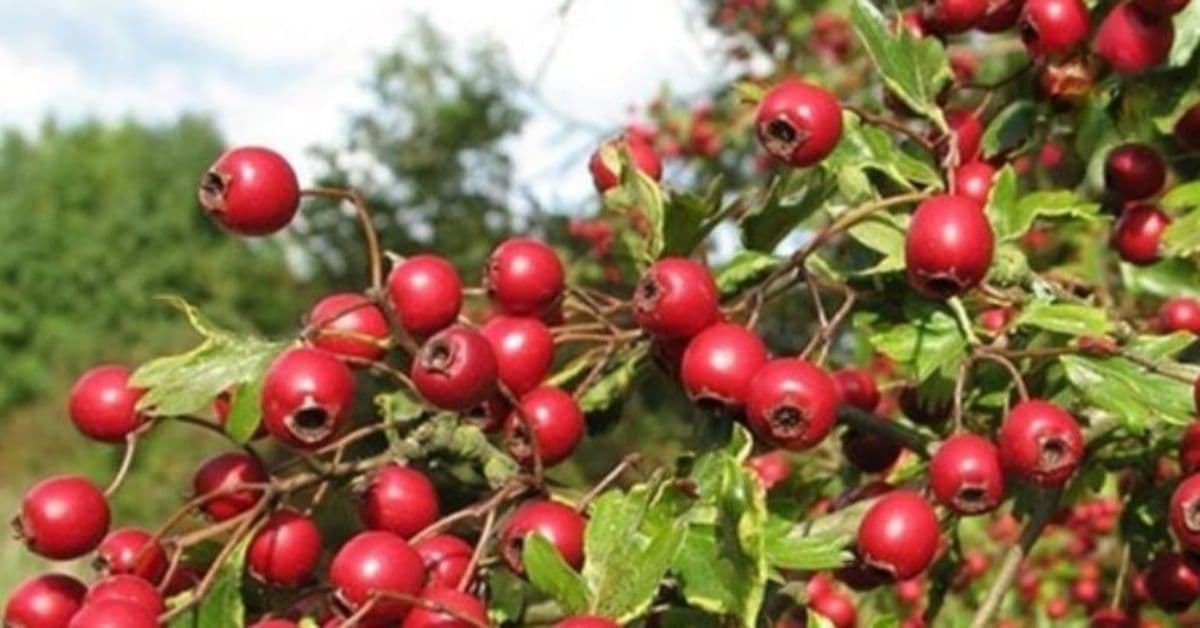
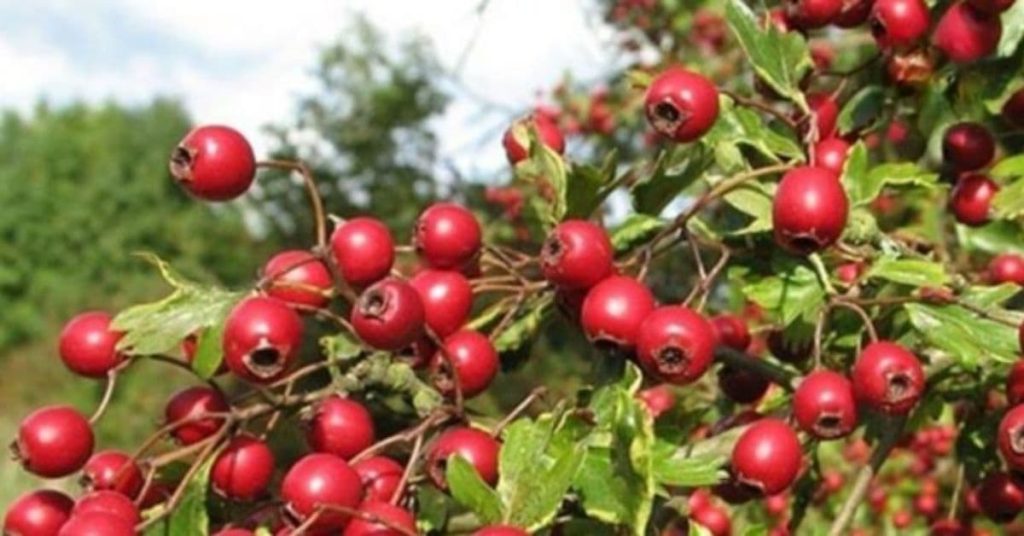
There is a long-standing belief that for nearly every health concern, folk medicine holds at least one supportive remedy. Heart palpitations and rhythm changes are no exception. In traditional practice, certain plants are most commonly used in these situations, including valerian root, hawthorn fruit and flowers, motherwort, mint, St. John’s wort, lemon balm, and black radish.
These herbs may be used individually or combined into infusions and decoctions. Below are several traditional recipes that have been widely shared and used over time.
🌿 Hawthorn-Based Infusions
Recipe 1: Hawthorn, Motherwort, and Lemon Balm Decoction
Take:
- 2 tablespoons hawthorn flowers
- 2 tablespoons motherwort
- 2 tablespoons lemon balm
Pour 1 liter of water over the herbs and boil for 10 minutes.
Allow the mixture to cool, then strain.
Dosage:
Take 3 tablespoons, 3–4 times daily.
This decoction is traditionally described as supporting heart muscle tone, helping with arrhythmia and tachycardia, and contributing to reduced arterial pressure.
Recipe 2: Hawthorn Flower Tincture
Take:
- 10 g dried hawthorn flowers
- 100 g vodka
Combine and store in a dark, cool place for 21 days.
Strain before use.
Dosage:
Take 7 drops, diluted in warm water.
The traditional indications are the same as in the previous recipe.
Recipe 3: Multi-Herb Infusion for Long-Term Use
Mix equal amounts of:
- dill seeds
- linden flowers
- hawthorn flowers
- calendula flowers
- oat stems
Take 5 g of the crushed mixture, pour 250 ml boiling water, and let steep in a thermos for 3 hours.
Strain and drink warm.
Dosage:
50 ml, 3–4 times daily, 30 minutes before meals.
This infusion may be taken for 2–3 months, according to traditional use.
Recipe 4: Propolis and Hawthorn Drops
Mix:
- 30% propolis tincture
- hawthorn drops
in a 1:1 ratio.
Dosage:
Take 30 drops, 2–3 times daily.
Traditional course duration: up to 3 months.
🌿 Nettle, Valerian, and Yarrow Combinations
Recipe 5: For Rapid Heartbeat
Mix equal parts:
- nettle
- yarrow
valerian root
Take 1 tablespoon of the mixture, pour 1 teacup of water, and let sit for 3 hours.
Then boil for 5 minutes, cool, and strain.
Dosage:
Take 3 times daily.
Recipe 6: Blue Cornflower Infusion for Palpitations
Take:
1–2 teaspoons blue cornflower
Pour 1 cup of boiling water and let steep for 1 hour.
Dosage:
Drink ¼ cup, 3 times daily, 10–15 minutes before meals.
🌿 Black Radish and Honey Mixture
Grate several black radishes, then strain the pulp thoroughly using cheesecloth.
Mix the obtained juice with an equal amount of honey.
Dosage:
Take 1 tablespoon, 3 times daily, after meals.
Black radish is traditionally described as having broad pharmacological activity due to its content of various bioactive substances.
It contains carbohydrates, proteins, fats, and fiber.
⚠️ Important note:
Black radish should not be used in cases of kidney stone disease.
🧠 Why These Herbs Are Traditionally Used
In folk medicine, heart rhythm discomfort is often approached from a calming and balancing perspective. Many of the plants listed above are traditionally associated with:
- supporting the nervous system
- calming excessive stimulation
- improving circulation
- supporting heart muscle tone
These effects are generally described as gradual rather than immediate.
⚠️ Important Safety Reminder
Heart-related symptoms should never be ignored.
These traditional remedies are described as supportive, not curative, and do not replace medical diagnosis or treatment. Anyone experiencing persistent palpitations, chest pain, severe shortness of breath, or sudden changes in heart rhythm should seek medical attention immediately.
Always consult a healthcare professional before using herbal remedies, especially if you:
- take heart medications
- have chronic conditions
- are pregnant or breastfeeding
Final Thoughts
Folk medicine offers a wide range of herbal preparations traditionally used to support heart comfort and rhythm. These recipes reflect centuries of observation and experience, emphasizing balance, moderation, and consistency.
When used responsibly and alongside professional care, such herbal infusions may become part of a thoughtful approach to supporting cardiovascular well-being.
Vau.ge – Your Daily Guide for Practical Advice!
Vau.ge is a place where caring for your health, beauty, and daily routines becomes a natural, accessible, and enjoyable experience. Our main goal is to provide you with reliable information about natural remedies, homemade recipes, and practical tips that help you live a healthier life, look better, and simplify your everyday tasks without unnecessary expenses.
Our tips are easy to incorporate into your everyday life — whether it’s skincare, haircare, health-boosting remedies, or small tricks to save time. This knowledge will not only improve your own life but also allow you to share the experience with others, giving more people the chance to live a balanced life naturally and economically.
Please note: The articles on our website are for informational purposes only and do not replace professional medical advice. If you have serious health concerns, please consult a qualified specialist.