







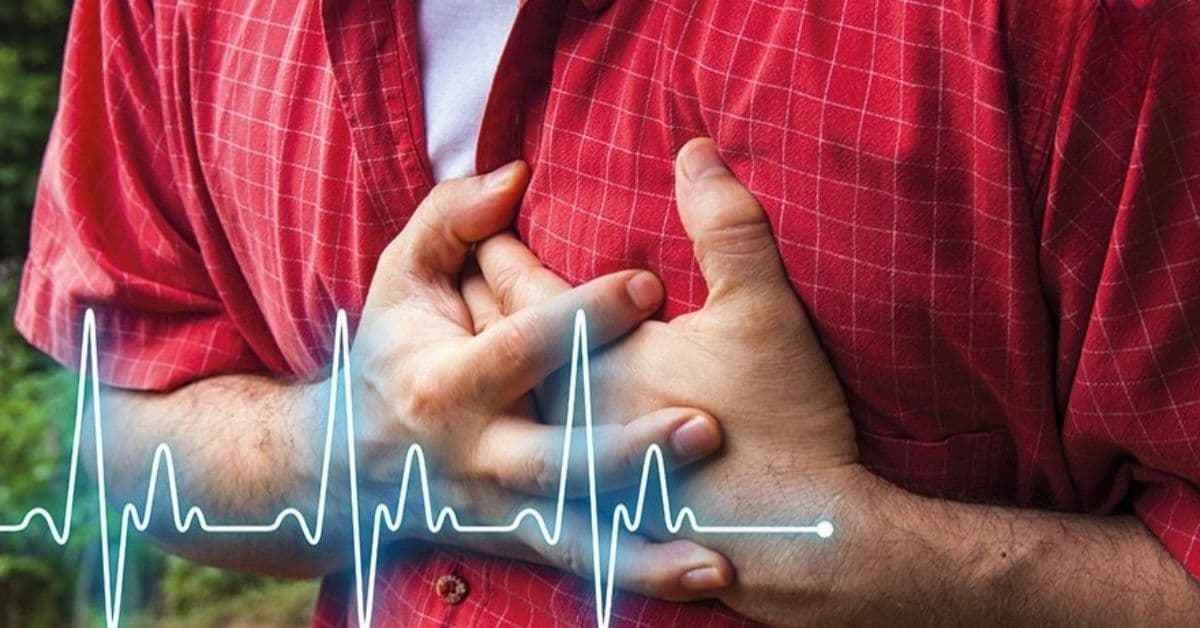
Heart attacks are one of the leading causes of death worldwide. They often strike suddenly, without warning, and can happen to people of all ages—not only the elderly. Stressful lifestyles, poor nutrition, smoking, lack of physical activity, and chronic health conditions have made heart disease increasingly common, even among young adults.

Many people ask themselves an alarming question: What would I do if I had a heart attack while completely alone, far from a hospital, and without immediate help? While movies and viral internet posts often claim that you have “only 10 seconds” to save yourself, the reality is more complex—and understanding the facts can truly save lives.
What Is a Heart Attack?
A heart attack, medically known as a myocardial infarction, occurs when blood flow to part of the heart muscle is blocked. This blockage is usually caused by a blood clot forming in a coronary artery. Without oxygen-rich blood, heart muscle tissue begins to suffer damage, and the longer the blockage lasts, the more severe the injury.
Contrary to popular belief, heart attacks are not always sudden and dramatic. In many cases, symptoms develop gradually and may be mistaken for less serious conditions such as indigestion or fatigue.
Common Symptoms of a Heart Attack
While symptoms can vary from person to person, the most frequently reported signs include:
Intense chest pain or discomfort, often described as pressure, squeezing, or burning
- Pain that radiates to the left arm, shoulder, neck, jaw, or back
- Shortness of breath or difficulty breathing
- Weakness, dizziness, or lightheadedness
- Heart palpitations
- Cold sweats
- Nausea or heartburn-like sensations
It is important to understand that not all heart attacks involve severe chest pain. Some people, especially women, experience more subtle symptoms such as fatigue, shortness of breath, or nausea.
The Dangerous Myth of “10 Seconds to Save Yourself”
Many online articles claim that during a heart attack you have only a few seconds before losing consciousness and that coughing forcefully can “restart” the heart. This idea, often referred to as “cough CPR,” is widely misunderstood and frequently misrepresented.
In reality, coughing techniques are not a proven or reliable way to survive a heart attack when you are alone. This method is sometimes used only under strict medical supervision in hospitals for specific heart rhythm disturbances—not as a self-rescue technique during a heart attack.
Relying on coughing instead of seeking emergency medical care can delay lifesaving treatment and significantly increase the risk of death.
What You Should Actually Do If You Suspect a Heart Attack
If you experience symptoms that may indicate a heart attack, every second matters, but the correct response is crucial.
1. Call Emergency Services Immediately
The most important action is to call emergency medical services right away. Do not attempt to “wait it out” or rely on home remedies.
2. Stay as Calm as Possible
Panic increases the heart’s oxygen demand. Sit or lie down in a comfortable position and try to breathe slowly and steadily.
3. Follow Medical Instructions
If emergency operators provide instructions over the phone, follow them carefully. Do not take medications unless advised by a medical professional.
4. Do Not Drive Yourself
Driving while having a heart attack is extremely dangerous. Always wait for professional medical help.
Why Early Medical Treatment Saves Lives
Modern medicine offers effective treatments that can restore blood flow to the heart if administered quickly. These include clot-dissolving medications, angioplasty, and other emergency interventions. The earlier treatment begins, the greater the chance of survival and recovery.
Delaying professional care—even by a short amount of time—can lead to irreversible heart damage or death.
Heart Attacks Can Happen at Any Age
Many people believe heart attacks only affect older individuals, but this is no longer true. Young adults under 30 can also experience heart attacks, especially if they have risk factors such as:
- Chronic stress
- Smoking
- Poor diet
- Obesity
- High blood pressure
- Diabetes
- High cholesterol
No one is completely immune.
Prevention Is the Best Protection
While emergency response is critical, prevention plays an equally important role. Simple lifestyle changes can dramatically reduce the risk of heart disease:
- Maintain a balanced, heart-healthy diet
- Exercise regularly
- Avoid smoking
- Manage stress effectively
- Monitor blood pressure and cholesterol
- Get regular medical checkups
Share Accurate Information—It Saves Lives
Misinformation can be dangerous, especially when it comes to heart attacks. Sharing unverified advice may give people false confidence and prevent them from seeking real medical help.
Educating yourself and others with accurate, evidence-based information can truly make the difference between life and death.
Important Medical Disclaimer
⚠️ Disclaimer:
This article is for informational purposes only and does not replace professional medical advice, diagnosis, or treatment.
If you or someone around you experiences symptoms of a heart attack, seek emergency medical assistance immediately. Do not rely on internet tips or self-treatment methods in life-threatening situations.
Always consult qualified healthcare professionals for guidance regarding heart health and emergency care.
Vau.ge – Your Daily Guide for Practical Advice!
Vau.ge is a place where caring for your health, beauty, and daily routines becomes a natural, accessible, and enjoyable experience. Our main goal is to provide you with reliable information about natural remedies, homemade recipes, and practical tips that help you live a healthier life, look better, and simplify your everyday tasks without unnecessary expenses.
Our tips are easy to incorporate into your everyday life — whether it’s skincare, haircare, health-boosting remedies, or small tricks to save time. This knowledge will not only improve your own life but also allow you to share the experience with others, giving more people the chance to live a balanced life naturally and economically.
Please note: The articles on our website are for informational purposes only and do not replace professional medical advice. If you have serious health concerns, please consult a qualified specialist.