








What Is a Blood Clot and Why Is It So Dangerous?
Blood normally circulates freely throughout the body, delivering oxygen and nutrients to every cell and organ. This continuous flow is essential for survival. However, when blood thickens and forms a clot—also known as a thrombus—it can block circulation and create a life-threatening situation.

Blood clots can form in almost any blood vessel in the body. They are most commonly found in the legs but can also develop in the heart, lungs, kidneys, brain, or abdominal area. In many cases, blood clots are silent at first, which makes them especially dangerous. Recognizing early symptoms can truly save your life.
Where Blood Clots Commonly Form
Blood clots can develop in both arteries and veins, and the consequences depend on their location.
- Arterial clots block oxygen-rich blood traveling from the heart to vital organs. These clots can cause heart attacks or strokes.
- Venous clots occur in veins that return blood to the heart. Symptoms often develop more slowly, but the danger remains high, especially if the clot travels to the lungs.
One of the most common types of venous clots is deep vein thrombosis (DVT), which usually occurs in the legs, particularly in people who sit for long periods.
Who Is at Higher Risk of Blood Clots?
Blood clots are more likely to occur in people with certain lifestyle habits or medical conditions. The most common risk factors include:
- Obesity
- Sedentary lifestyle or prolonged sitting
- Smoking
- High blood pressure
- Diabetes
- High cholesterol levels
- Advanced age
Men are statistically more prone to developing blood clots, and the risk increases significantly with age. However, blood clots can affect anyone, including young and otherwise healthy individuals.
Why Early Symptoms Are So Important
Blood clots can cause serious and sometimes fatal complications. If a clot breaks free and travels through the bloodstream, it can lodge in the lungs, heart, or brain, leading to sudden death. That is why recognizing early warning signs and seeking medical help immediately is crucial.
Below are the most important symptoms that may indicate the presence of a blood clot.
1. Swelling in One Limb
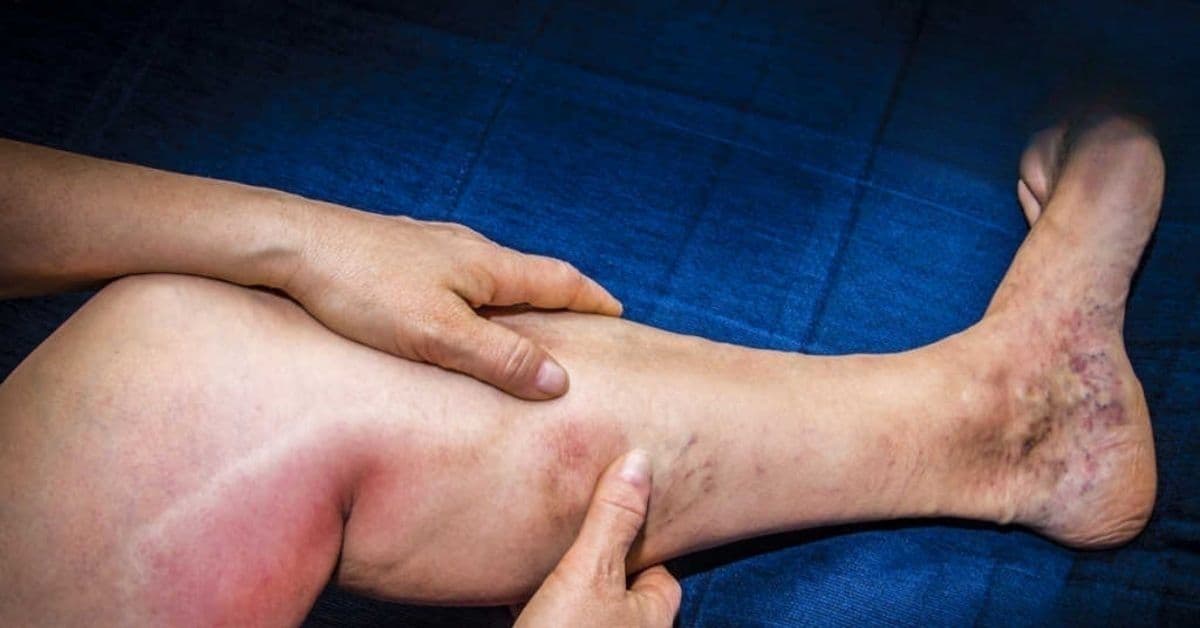
Swelling in one arm or leg—especially when it appears suddenly—can be a sign of deep vein thrombosis. This occurs when a clot restricts blood flow, reducing oxygen delivery to tissues.
The affected limb may feel heavy, painful, warm, or tight. Leg pain that appears without a clear cause should never be ignored. If a clot forms in the upper leg or pelvis, the leg may appear bruised, swollen, and tender.
2. Redness or Visible Changes Along a Vein
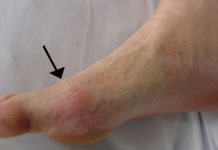
Red or dark streaks along the skin, especially following the path of a vein, can indicate a blood clot. The skin may feel warm to the touch and appear inflamed or shiny.
In some cases, blisters may form, and the area may become painful. This is a dangerous sign that requires immediate medical attention, as it suggests active inflammation and impaired circulation.
3. Chest Pain and Shortness of Breath
Chest pain combined with difficulty breathing should always be treated as a medical emergency. These symptoms may indicate that a blood clot has traveled to the lungs, causing a pulmonary embolism.
A blood clot in the lungs can be fatal if not treated immediately. Other symptoms may include rapid heartbeat, dizziness, and anxiety. Never ignore chest pain, especially if it occurs suddenly.
4. Persistent Cough Without Cold Symptoms
A cough that lasts for several days without signs of a cold or infection may be a warning sign. In some cases, it can indicate a blood clot in the lungs or abdominal area.
If the cough is accompanied by chest discomfort, shortness of breath, or fatigue, seek medical attention as soon as possible.
5. Vomiting and Diarrhea
Although these symptoms are often associated with digestive issues, they can also be signs of a blood clot in the abdominal region. When combined with severe abdominal pain, tenderness, or bloating, they should not be ignored.
A clot in the abdominal vessels can disrupt blood flow to vital organs and lead to serious complications if left untreated.
6. Severe and Persistent Headaches
A sudden, intense headache that does not improve may signal a serious neurological issue. If the headache is accompanied by blurred vision, difficulty speaking, confusion, or weakness, it may indicate bleeding or a clot affecting the brain.
These symptoms require urgent evaluation by a medical professional, often a neurologist, who can determine the appropriate treatment or whether surgery is necessary.
7. Shallow or Difficult Breathing
Difficulty breathing, lightheadedness, chest tightness, or a racing heart should never be taken lightly. These symptoms may indicate a blood clot in the lungs and require immediate medical evaluation.
Prompt treatment can be life-saving in such cases.
How to Help Prevent Blood Clots
While not all blood clots can be prevented, lifestyle changes can significantly reduce the risk.
Improve Your Diet
Certain foods may help support healthy blood circulation. Regular consumption of garlic, red onion, ginger, and hot peppers is believed to help reduce clot formation. Diets rich in vegetables and plant-based foods are associated with lower clotting risk.
Vegetarians have been shown to experience fewer blood clot-related problems. In contrast, fatty foods such as butter, cheese, sour cream, whole milk, and fatty meats increase cholesterol levels and raise the risk of clot formation.
Stay Physically Active
Daily physical activity is one of the most effective ways to prevent blood clots. Walking or running for at least 30 minutes a day helps improve blood flow and prevents blood from pooling in the veins.
Even light movement and stretching can improve circulation, especially for people who sit for long periods.
Final Warning and Important Notice
⚠️ Warning:
This article is for informational purposes only and does not replace professional medical advice, diagnosis, or treatment. Blood clots are a serious medical condition that can be life-threatening.
If you experience any of the symptoms described above, seek medical attention immediately. Never ignore warning signs or attempt to self-diagnose. Always consult a qualified healthcare professional for proper evaluation and treatment.
Vau.ge – Your Daily Guide for Practical Advice!
Vau.ge is a place where caring for your health, beauty, and daily routines becomes a natural, accessible, and enjoyable experience. Our main goal is to provide you with reliable information about natural remedies, homemade recipes, and practical tips that help you live a healthier life, look better, and simplify your everyday tasks without unnecessary expenses.
Our tips are easy to incorporate into your everyday life — whether it’s skincare, haircare, health-boosting remedies, or small tricks to save time. This knowledge will not only improve your own life but also allow you to share the experience with others, giving more people the chance to live a balanced life naturally and economically.
Please note: The articles on our website are for informational purposes only and do not replace professional medical advice. If you have serious health concerns, please consult a qualified specialist.