




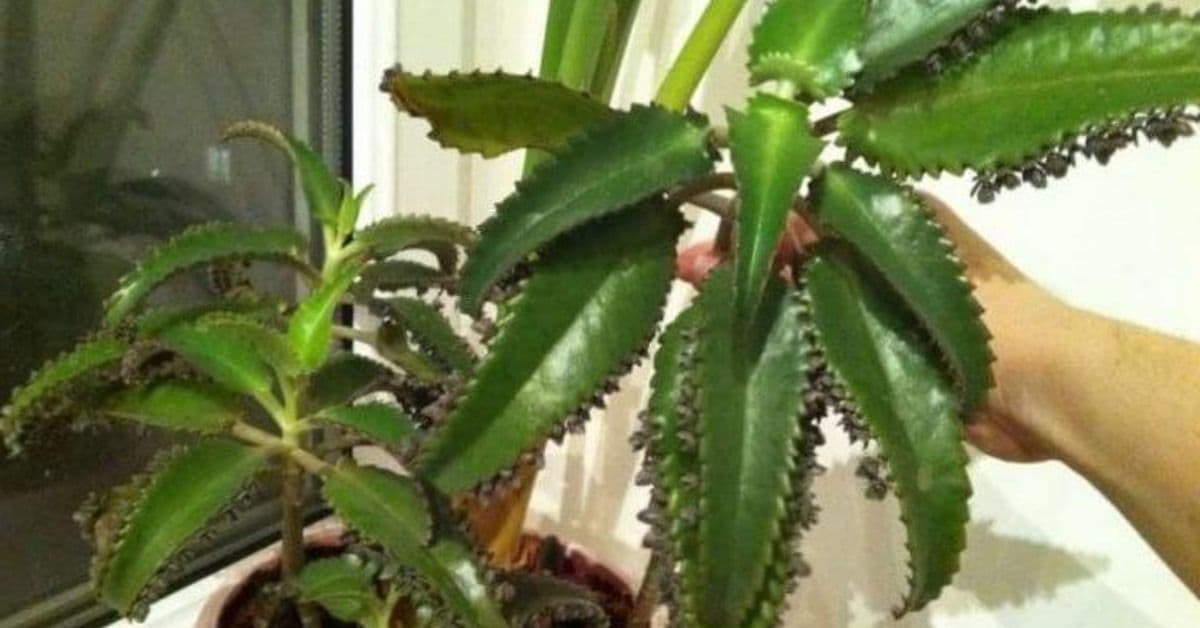
Kalanchoe is known by many names around the world — the home doctor, the tree of life, and indoor ginseng. These names were not given randomly. For generations, people have valued this plant for its versatility and the many ways it has been traditionally included in everyday folk care routines. Its popularity comes not from modern laboratories, but from long-standing household experience passed down through time.
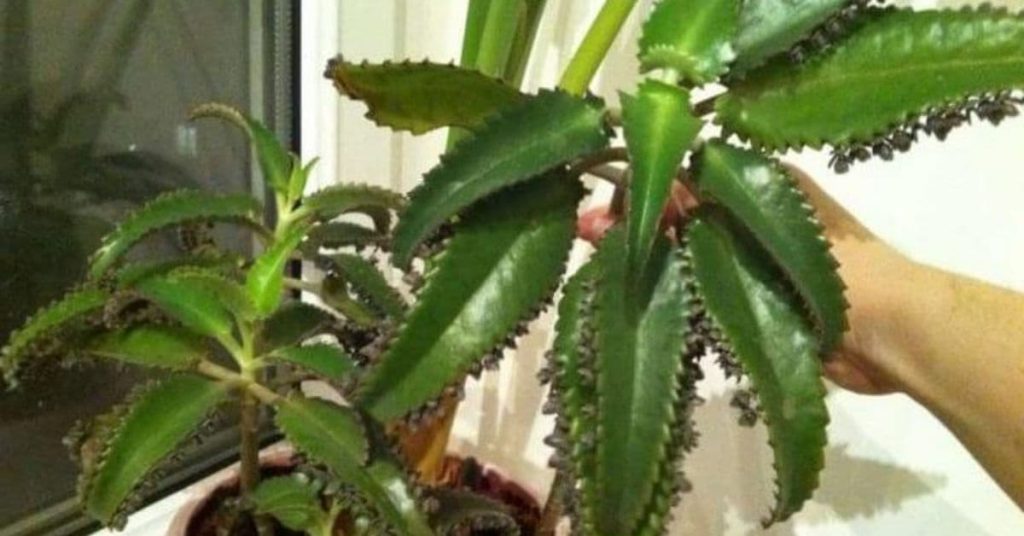
Even today, Kalanchoe remains a familiar presence in many homes. Those who appreciate natural, plant-based approaches often keep it as a living part of their daily environment. However, it is important to understand that Kalanchoe belongs to traditional practice rather than modern clinical medicine. When used responsibly and with proper awareness, it is generally seen as a supportive plant, particularly for external care and overall well-being.
Why Kalanchoe Has Maintained Its Reputation
One of the main reasons Kalanchoe has earned such lasting popularity is its simplicity. It grows easily indoors, requires minimal attention, and produces fresh leaves throughout the year. This accessibility made it especially valuable in times when pharmacies were not readily available.
In folk traditions, Kalanchoe was never viewed as a miracle cure. Instead, it was appreciated as a gentle, supportive option for minor concerns, particularly those related to the skin. People often turned to it as a complementary approach rather than a replacement for professional care.
Traditional Views on Kalanchoe and the Body
According to folk knowledge, Kalanchoe was associated with balance and recovery. Its leaves were believed to help calm irritated skin and support the body’s natural processes when used externally. Over time, families developed their own routines involving the plant, adapting its use based on observation and experience.
This practical, experience-based approach is what allowed Kalanchoe to remain relevant across generations. Its role was not aggressive intervention, but gentle support.
External Use in Folk Practice
In traditional care, Kalanchoe is most commonly associated with external application. Fresh leaves are often used shortly after being harvested, reflecting the belief that the plant is most effective when used in its natural state.
For minor cuts or surface discomfort, crushed leaves were traditionally applied to clean gauze and placed on the affected area. This practice was believed to help calm the skin and support natural recovery without irritating sensitive tissue.
Skin Care and Appearance Support
Kalanchoe has also been used in folk routines aimed at maintaining skin comfort and appearance. Warmed leaf preparations were traditionally applied as gentle compresses to areas that required extra care.
People often included these applications in longer routines rather than expecting immediate changes. Over time, many described their skin as feeling calmer and more balanced, especially when combined with rest and mindful care.
Traditional Oral and Throat Care
In some traditions, diluted Kalanchoe juice was used for oral comfort. The preparation involved gentle warming and careful dilution, reflecting an understanding of sensitivity in the mouth and throat area.
This method was used strictly as supportive care and never as a substitute for dental or medical treatment. It highlights how folk practices often emphasized caution and moderation.
Nasal and Sensitive Area Use
Certain folk traditions mention the use of diluted Kalanchoe preparations for nasal comfort. However, even within traditional knowledge, this practice was approached carefully due to the sensitivity of nasal tissues.
Modern perspectives strongly emphasize the importance of consulting a healthcare professional before attempting such methods. This reinforces the idea that not all traditional practices are suitable for everyone.
Supporting Irritated Skin Conditions
In folk care, Kalanchoe preparations were sometimes applied to skin affected by irritation, rashes, or discomfort. These applications were external only and typically performed several times a day with gentle movements.
The goal was not to force rapid change, but to soothe the area and support the skin’s natural ability to recover over time.
Bruises, Joint Areas, and Traditional Ointments
Some traditional recipes combine Kalanchoe juice with natural fats to create ointments used for massage. These preparations were gently applied to areas affected by bruising or discomfort, often as part of a calming daily routine.
The act of massage itself played an important role, as it encouraged circulation and relaxation alongside the plant-based preparation.
Beliefs About Energy and Vitality
In folk belief, chewing a fresh Kalanchoe leaf was sometimes associated with a sense of alertness and vitality. This belief reflects traditional views rather than medical recommendations and should be approached with caution.
Such practices highlight how traditional knowledge often blends physical observation with cultural interpretation.
Safety, Contraindications, and Responsible Use
Despite its popularity, Kalanchoe is not suitable for everyone. Traditional knowledge itself emphasizes moderation and awareness. Certain individuals may experience sensitivity or adverse reactions, particularly with excessive or improper use.
Skin irritation, allergic responses, or digestive discomfort are possible signs that the plant is not suitable for a particular person. In such cases, use should be stopped immediately.
Pregnant or breastfeeding women, small children, and individuals with known allergies are generally advised to avoid using Kalanchoe without professional guidance.
A Clear Disclaimer on Traditional Use
This article reflects traditional folk practices and is provided for informational purposes only. It does not replace professional medical advice, diagnosis, or treatment.
For persistent symptoms, chronic conditions, or serious concerns, consulting a qualified healthcare professional is essential.
Kalanchoe has earned its reputation as the “home doctor” through generations of careful and mindful use. While it is not a cure-all, it remains a valued plant in traditional care routines because of its versatility and ease of use.
When approached responsibly, with attention to safety and limitations, Kalanchoe can be part of a gentle self-care routine focused on external support and overall comfort. Nature offers many tools, but wisdom lies in knowing how and when to use them.
Vau.ge – Your Daily Guide for Practical Advice!
Vau.ge is a place where caring for your health, beauty, and daily routines becomes a natural, accessible, and enjoyable experience. Our main goal is to provide you with reliable information about natural remedies, homemade recipes, and practical tips that help you live a healthier life, look better, and simplify your everyday tasks without unnecessary expenses.
Our tips are easy to incorporate into your everyday life — whether it’s skincare, haircare, health-boosting remedies, or small tricks to save time. This knowledge will not only improve your own life but also allow you to share the experience with others, giving more people the chance to live a balanced life naturally and economically.
Please note: The articles on our website are for informational purposes only and do not replace professional medical advice. If you have serious health concerns, please consult a qualified specialist.