









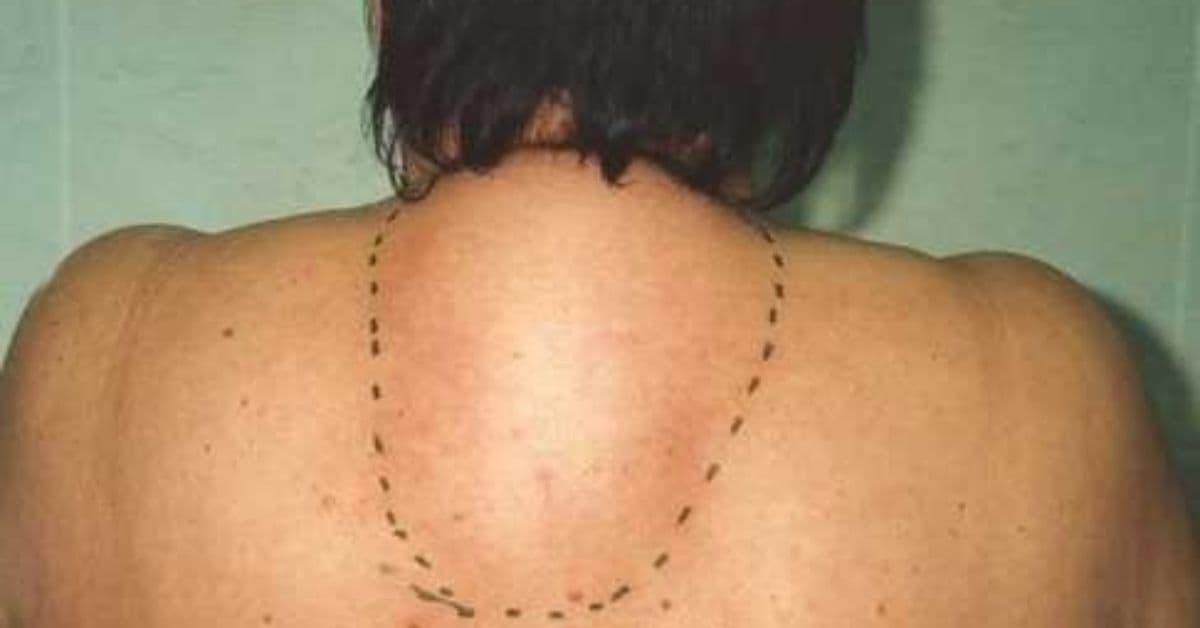
Many people complain about stiffness, pain, and tension in the neck area, often describing it as “salt buildup.” In medical terms, this condition is commonly associated with cervical osteochondrosis, a degenerative condition affecting the cervical spine.
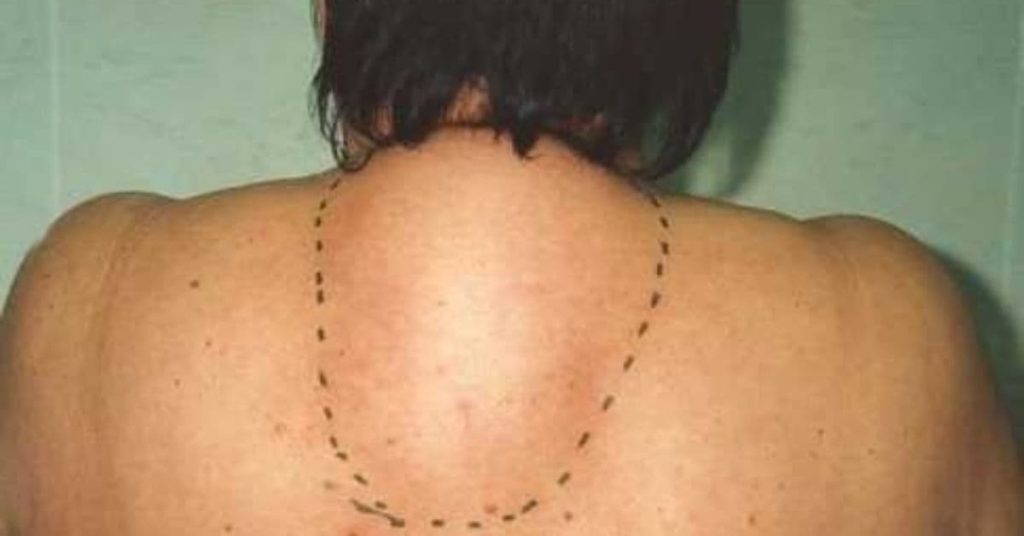
Because the cervical spine plays a crucial role in supporting the head and protecting vital nerves and blood vessels, even minor disturbances in this area can affect the entire body. The neck contains numerous blood vessels and nerve pathways responsible for supplying the head, face, shoulders, and upper limbs. When these structures are irritated or compressed, symptoms can become widespread and uncomfortable.
What Is Cervical Osteochondrosis?
Cervical osteochondrosis develops due to age-related changes, prolonged poor posture, muscle tension, repetitive strain, or reduced mobility of the neck. The cervical vertebrae are positioned very close to each other, which means even small pathological changes or excessive strain can disrupt normal function.
As the condition progresses, it may affect surrounding nerves, muscles, and blood circulation, leading to a wide range of symptoms.
Common Symptoms of Cervical Osteochondrosis
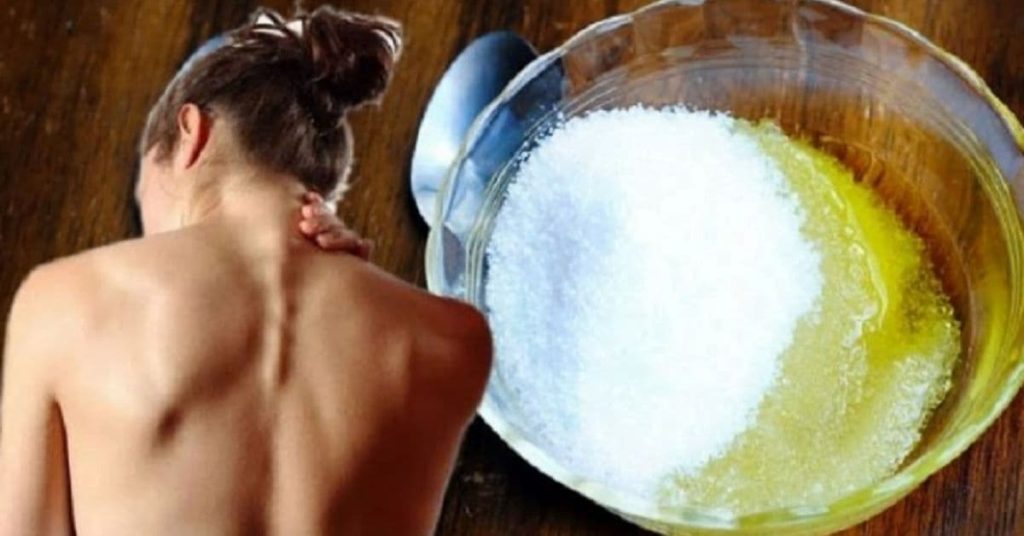
The symptoms can vary significantly from person to person, depending on the severity of the condition and which structures are affected. Common complaints include:
- Persistent or recurring neck pain
- Pain spreading to the back of the head, shoulders, arms, forearms, and fingers
- Tingling or numbness in the arms or hands
- Muscle weakness and a feeling of heaviness in the limbs
- Fatigue and reduced physical endurance
- Headaches, often starting at the back of the head and radiating toward the temples
- Dizziness, especially during sudden head movements
- Ringing in the ears (tinnitus)
- Reduced vision or hearing
- Nausea and, in some cases, vomiting
- A pulling or pressing sensation in the chest area
In some people, even minimal physical activity, coughing, or sneezing can intensify the pain. Over time, untreated cervical osteochondrosis may lead to complications such as limited mobility of the shoulder, elbow, or collarbone joints, accompanied by pain during movement.
Why the Neck Area Is So Sensitive
The cervical spine is anatomically complex and highly sensitive. It supports the weight of the head while allowing a wide range of motion. At the same time, it protects critical nerve pathways and blood vessels that supply oxygen and nutrients to the brain.
Because of this delicate balance, prolonged tension, incorrect posture, or repetitive stress can easily disrupt normal function. That is why early care and supportive methods are often recommended alongside professional medical advice.
A Traditional Supportive Remedy: Potato-Based Neck Compress
In folk medicine, various natural compresses have been used to help ease muscle tension, improve circulation, and provide local warmth. One such method involves a potato-based compress combined with natural ingredients traditionally known for their warming and soothing properties.
While this remedy does not replace medical treatment, many people use it as a supportive home method to help reduce discomfort and stiffness.
Ingredients for the Compress
To prepare this traditional compress, you will need:
- 1 medium-sized potato, peeled and finely grated
- 1 tablespoon honey
- 1 tablespoon melted clarified butter (ghee or butter)
- 1 tablespoon salt
- 4–5 cloves of grated garlic
- 1 teaspoon grated ginger
- 4–5 grated radishes
All ingredients should be fresh and of good quality.
Preparation Method
Peel and grate the potato using a fine grater. Place it in a clean bowl. Add the honey, melted butter, salt, grated garlic, ginger, and grated radishes.
Mix all ingredients thoroughly until you achieve a uniform consistency. Once combined, spread the mixture evenly onto a piece of gauze or clean cloth, forming a layer suitable for a compress.
How to Apply the Compress
Apply the prepared compress to the neck area, focusing on the region where stiffness or discomfort is most noticeable. Cover it with compress paper, plastic wrap, or cellophane to prevent moisture loss.
Wrap the neck area warmly using a scarf or towel to retain heat. Leave the compress in place for up to two hours, allowing the warmth and ingredients to work locally.
After removing the compress, gently clean the skin with a warm cloth. Many traditional practices recommend applying fir oil afterward to help soothe the skin and maintain warmth.
Recommended Duration
This method is traditionally used once daily for 7–10 days. Consistency is considered important, but the skin’s reaction should always be monitored.
Why These Ingredients Are Traditionally Used
Each component of this compress has a long history of use in folk practices:
- Potato helps retain warmth and moisture
- Honey is traditionally valued for its soothing and skin-supportive properties
- Garlic and ginger are commonly associated with warming and circulation support
- Salt helps create a mild warming effect
- Radish is traditionally used for muscle stiffness and tension
Together, these ingredients create a warming compress that may help relax muscles and improve local circulation.
Important Safety Notes
This compress is intended as a supportive home method, not a cure. It should not be used if there are open wounds, skin irritation, or allergic reactions to any ingredient.
People with chronic conditions, neurological symptoms, or severe pain should always consult a healthcare professional. If symptoms worsen, medical evaluation is essential.
Final Thoughts
Neck pain and stiffness associated with cervical osteochondrosis can significantly affect quality of life. While professional medical care remains essential, gentle supportive methods like traditional warm compresses are often used to complement overall care routines.
This potato-based compress is a simple, accessible option that many people turn to for temporary relief and comfort. Used responsibly and consistently, it may help ease tension and promote relaxation in the neck area.
As with any home remedy, listening to your body and seeking professional guidance when needed is the most important step toward long-term well-being.
Vau.ge – Your Daily Guide for Practical Advice!
Vau.ge is a place where caring for your health, beauty, and daily routines becomes a natural, accessible, and enjoyable experience. Our main goal is to provide you with reliable information about natural remedies, homemade recipes, and practical tips that help you live a healthier life, look better, and simplify your everyday tasks without unnecessary expenses.
Our tips are easy to incorporate into your everyday life — whether it’s skincare, haircare, health-boosting remedies, or small tricks to save time. This knowledge will not only improve your own life but also allow you to share the experience with others, giving more people the chance to live a balanced life naturally and economically.
Please note: The articles on our website are for informational purposes only and do not replace professional medical advice. If you have serious health concerns, please consult a qualified specialist.