













Swollen Legs and Feet: Causes, Warning Signs, and Safe Ways to Manage the Problem
Swelling of the legs and feet is a common problem that many people experience at different stages of life. Sometimes it appears after a long day of standing or sitting, and sometimes it can be a sign of a more serious health condition. Understanding why swelling happens and when medical attention is needed is very important for protecting your health.
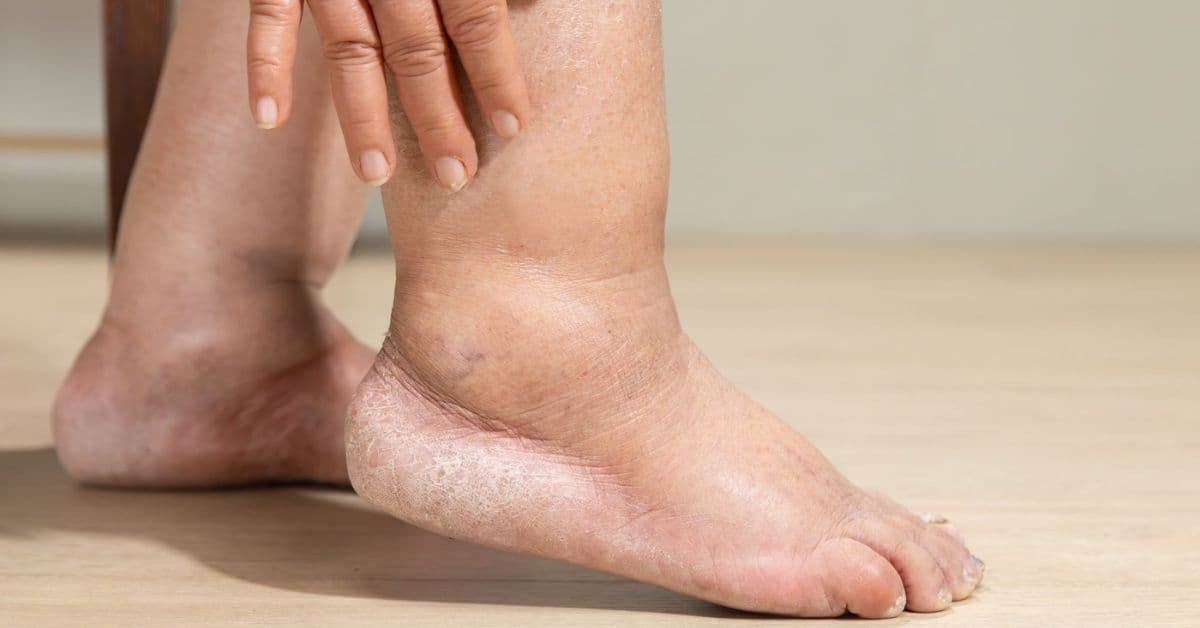
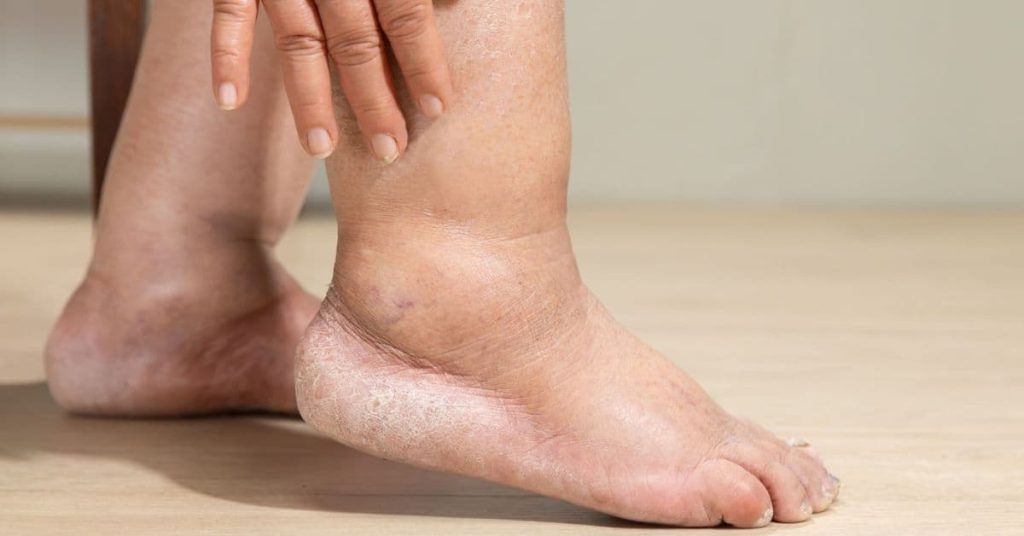
Swelling of the lower limbs can occur in any part of the leg — in the feet, ankles, calves, knees, or thighs. It usually happens when excess fluid accumulates in the tissues or when inflammation develops in the joints or soft tissues.
Everyday reasons for leg swelling
In many cases, swelling is caused by everyday activities and is not dangerous. Common causes include:
- standing for long periods
- sitting for many hours without moving
- traveling long distances
- wearing uncomfortable or tight shoes
- minor strains or sprains
- hot weather
In these situations, swelling tends to reduce after rest, leg elevation, or gentle movement.
When swelling may indicate a health problem
Not all swelling is harmless. Sometimes it can be a sign of an underlying medical condition that needs evaluation. Swelling in the legs can be associated with:
- heart disease
- kidney or liver disease
- hormonal imbalance
- thyroid disorders
- chronic venous insufficiency
- blood clots in the veins (deep vein thrombosis)
If swelling appears suddenly, affects only one leg, or is accompanied by pain, redness, or fever, it should not be ignored.
Warning signs — when to seek emergency help
Call emergency medical services or go to an emergency department immediately if swelling in the legs is accompanied by:
- chest pain lasting longer than 5–10 minutes
- shortness of breath or difficulty breathing
- fainting, dizziness, or loss of consciousness
- sudden confusion or severe weakness
Urgent help is also needed when swelling appears after serious injury such as a fall, car accident, or sports trauma, especially if you cannot walk normally.
Inflammatory causes of swelling in the legs
Sometimes swelling develops because of inflammation in the joints, muscles, or soft tissues. Conditions that can cause such swelling include:
- rupture of the Achilles tendon
- meniscus injury
- Baker’s cyst near the knee
- ankle or foot fractures
- gout
- joint infections or infected wounds
- bursitis of the knee
- osteoarthritis
These problems require professional medical evaluation to prevent long-term complications.
Folk remedies and natural approaches — how people traditionally manage swelling
For centuries, traditional medicine has offered various natural approaches that people believe may help reduce swelling. In folk practice, plants such as birch leaves, grape leaves, carrots, or watermelon rind are often mentioned. Some people use warm foot baths or herbal teas as supportive care.
However, it is important to remember:
- folk remedies are not a replacement for medical diagnosis
- effectiveness varies among individuals
- evidence is limited for many traditional methods
- allergies and irritation are possible
- serious disease cannot be treated at home with recipes alone
Natural remedies should be used carefully and only after understanding the cause of swelling.
What you can safely do at home
If swelling is caused by everyday strain or long hours of standing or sitting, several simple steps can help relieve symptoms:
- rest your legs whenever possible
- elevate your legs above heart level while lying down
- avoid sitting with legs hanging down for long periods
- take short walks or stretch after long sitting
- wear comfortable shoes and avoid tight socks
- drink water regularly
- avoid excessive salt intake
These measures improve circulation and help the body eliminate excess fluid.
Why “permanent cure” promises are misleading
On the internet and in some popular texts, you may see claims about “miracle recipes” that allegedly eliminate swelling forever. This idea is misleading. Swelling is not a single disease — it is a symptom that can have many causes, from simple fatigue to serious heart or kidney disease.
Because of this:
- there is no universal recipe that works for everyone
- treatment must be directed at the underlying cause
- only a doctor can determine that cause reliably
- self-treatment may delay important diagnosis
Folk methods may provide comfort for mild cases, but they should not replace medical advice.
When to visit a doctor
You should schedule a medical appointment if:
- swelling persists for several days
- both legs are swollen without a clear reason
- swelling is accompanied by weight gain or fatigue
- your skin becomes shiny or tight
- swelling worsens in the evening every day
- there is pain, redness or warmth in one leg
A doctor may recommend blood tests, urine tests, ultrasound, or other examinations to identify the real cause.
Possible complications of untreated swelling
Ignoring swelling for a long time may lead to complications such as:
- chronic venous insufficiency
- varicose veins
- repeated infections in the skin
- joint stiffness and pain
- formation of blood clots
Therefore, even if swelling does not cause strong pain, it still deserves attention.
Final conclusion
Swelling of the legs and feet is a symptom that can have very different causes — from harmless everyday strain to serious medical conditions. Understanding your body, paying attention to warning signs, and consulting a healthcare professional when needed are the safest and most effective ways to protect your health.
Natural and folk methods may sometimes be used as supportive care, but they should never replace professional medical evaluation. The key is not only to reduce swelling, but to understand why it occurs and to address that cause correctly.
Vau.ge – Your Daily Guide for Practical Advice!
Vau.ge is a place where caring for your health, beauty, and daily routines becomes a natural, accessible, and enjoyable experience. Our main goal is to provide you with reliable information about natural remedies, homemade recipes, and practical tips that help you live a healthier life, look better, and simplify your everyday tasks without unnecessary expenses.
Our tips are easy to incorporate into your everyday life — whether it’s skincare, haircare, health-boosting remedies, or small tricks to save time. This knowledge will not only improve your own life but also allow you to share the experience with others, giving more people the chance to live a balanced life naturally and economically.
Please note: The articles on our website are for informational purposes only and do not replace professional medical advice. If you have serious health concerns, please consult a qualified specialist.