












Gout, also known as podagra, is a type of arthritis characterized by sudden episodes of joint pain, redness and swelling. These attacks are caused by the accumulation of uric acid crystals in the joints. Uric acid levels above 6 mg/dl (or 360 mmol/l) significantly increase the risk of gout. The disease does not appear suddenly; it usually develops over many years due to a combination of genetic, metabolic and lifestyle factors.
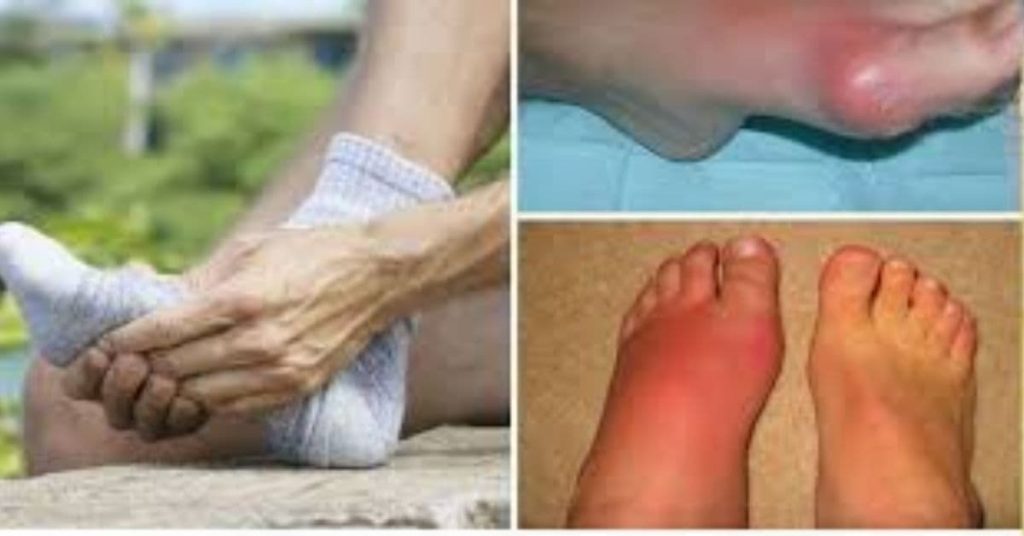
Although various “miracle cures” are often advertised, gout is a chronic condition that requires long-term management rather than instant, guaranteed cure. Understanding what gout is and how it is safely treated is essential for protecting joint health.
What are purines and why do they matter?
Purines are natural chemical compounds found in many foods and beverages. When the body breaks down purines, uric acid is produced as a final metabolic product. Normally, uric acid dissolves in the blood and is excreted through the kidneys. However, when too much uric acid is produced or too little is removed, it begins to accumulate in the bloodstream.
Some foods are especially rich in purines. These include red meat, organ meats, certain seafood such as shrimp and shellfish, and alcoholic beverages, especially beer. Regular consumption of purine-rich foods is associated with a higher risk of gout, particularly in people who are genetically predisposed.
Importantly, purines are part of normal nutrition, and completely eliminating them is neither realistic nor necessary. Instead, medical guidelines emphasize balance, moderation and healthy lifestyle habits.
Hyperuricemia and the development of gout
In the early stages, increased uric acid levels in the blood — a condition called hyperuricemia — may not cause any symptoms at all. People can live for years with elevated uric acid without realizing it. Over time, however, persistent elevation may lead to the formation of needle-like uric acid crystals that deposit in joints and surrounding tissues.
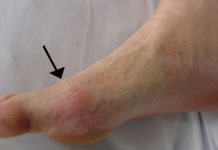
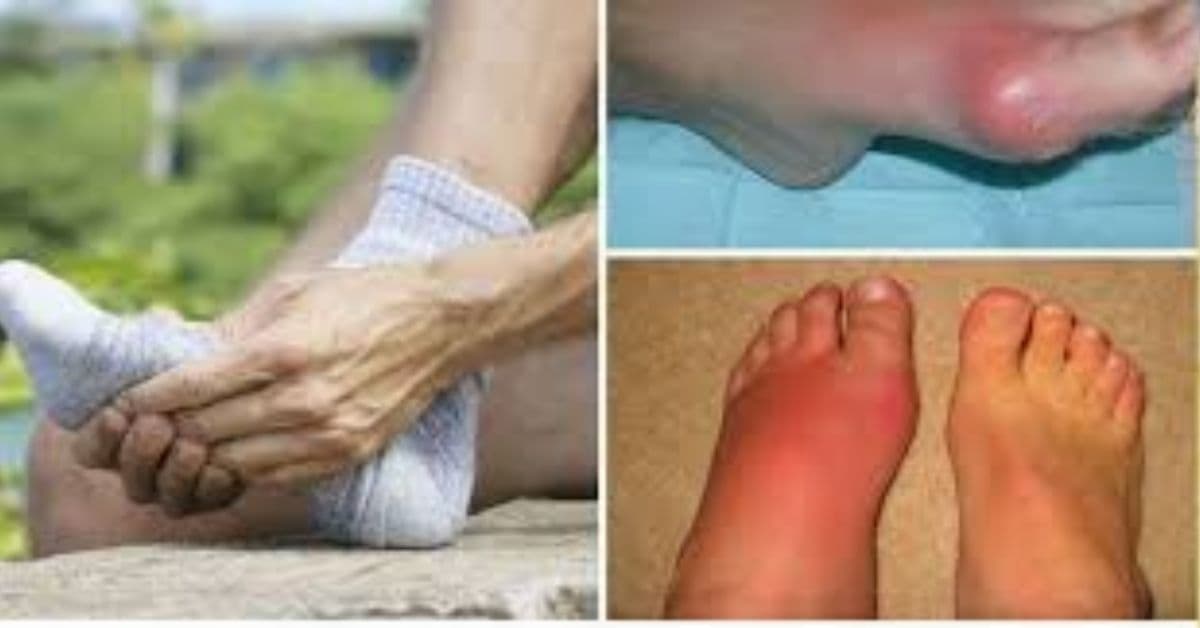
This is when typical gout symptoms appear: sudden, intense pain, swelling, warmth and redness in the affected area. The big toe joint is commonly involved, though ankles, knees, wrists and elbows can also be affected. Gout is considered a multisystem disease because it can involve not only joints, but also tendons, skin and cartilage, including ear cartilage.
Gout is chronic in nature, meaning it usually accompanies the person throughout life. It can, however, be well controlled with appropriate medical treatment and lifestyle adjustments.
Evidence-based medical treatment
Modern treatment of gout focuses on two main goals:
- relieving acute attacks of pain and inflammation
- lowering uric acid levels in the long term to prevent new attacks
Doctors may prescribe anti-inflammatory medications during flare-ups and uric-acid-lowering medicine for ongoing control. The exact treatment plan depends on the patient’s age, general health, kidney function, accompanying diseases and laboratory results. Because of this, self-medication is strongly discouraged.
Lifestyle is another important part of management. Doctors usually recommend:
- balanced diet lower in purine-rich foods
- maintaining healthy body weight
- staying hydrated
- limiting alcohol, especially beer
- regular physical activity appropriate to one’s health condition
These approaches do not replace medical treatment but work together with it.
Folk remedies and iodine–aspirin mixtures: what to know
From time to time, various folk recipes become popular, including mixtures of iodine and aspirin that are said to “penetrate the joint” and “eliminate inflammation.” Many people share positive personal stories about such remedies, which contributes to their popularity.
However, it is important to emphasize several key points:
- these methods are not scientifically proven to treat gout
- their safety and effectiveness have not been confirmed in clinical studies
- iodine preparations can irritate or burn the skin
- aspirin applied directly to the skin may cause allergic reactions or damage
- combining chemicals at home can be unpredictable and potentially harmful
Therefore, health professionals do not recommend preparing or using iodine–aspirin mixtures or similar homemade substances on joints. While some individuals may feel temporary relief, the risks can exceed the benefits, and such methods do not address the underlying metabolic cause of the disease.
Why medical consultation is essential
Early diagnosis plays a crucial role in successful gout management. If symptoms such as sudden joint pain, swelling, warmth or limited movement appear, it is important to contact a doctor — ideally a family physician or rheumatologist. Diagnosis typically involves blood tests, physical examination, sometimes joint fluid analysis and imaging.
Professional medical supervision is needed because untreated or improperly treated gout may lead to:
- recurrent painful attacks
- chronic joint damage
- formation of tophi (uric acid deposits under the skin)
- kidney stones or kidney damage
Timely treatment significantly lowers these risks and helps maintain quality of life.
Myths and realities about “permanent cure”
A common claim is that a certain remedy can “cure gout forever.” This is misleading. Gout is a chronic metabolic disorder, and although symptoms can be controlled very successfully, there is no single universal substance that eliminates the disease permanently in all people.
What can be achieved with correct management is:
- rare or completely absent flare-ups
- normal uric acid levels
- preserved joint function
- active, comfortable daily life
This requires cooperation between the patient and healthcare professional rather than reliance on unverified home recipes.
Conclusion
Gout is a long-term but manageable condition caused by the accumulation of uric acid crystals in the joints. Diet, genetics and metabolism all play a role in its development. Safe and effective treatment is based on medical guidance, appropriate medication and healthy lifestyle adjustments.
Folk methods, including mixing iodine with aspirin or applying homemade solutions, may sound appealing because they promise quick results. However, these approaches are not scientifically proven and may even be harmful. The most reliable path to improvement is consultation with a doctor, correct diagnosis and adherence to prescribed therapy.
Listening to your body, seeking professional help early, and avoiding self-prepared chemical mixtures are key steps toward protecting your joints and maintaining long-term health.
Vau.ge – Your Daily Guide for Practical Advice!
Vau.ge is a place where caring for your health, beauty, and daily routines becomes a natural, accessible, and enjoyable experience. Our main goal is to provide you with reliable information about natural remedies, homemade recipes, and practical tips that help you live a healthier life, look better, and simplify your everyday tasks without unnecessary expenses.
Our tips are easy to incorporate into your everyday life — whether it’s skincare, haircare, health-boosting remedies, or small tricks to save time. This knowledge will not only improve your own life but also allow you to share the experience with others, giving more people the chance to live a balanced life naturally and economically.
Please note: The articles on our website are for informational purposes only and do not replace professional medical advice. If you have serious health concerns, please consult a qualified specialist.