












A problem no one likes to talk about out loud
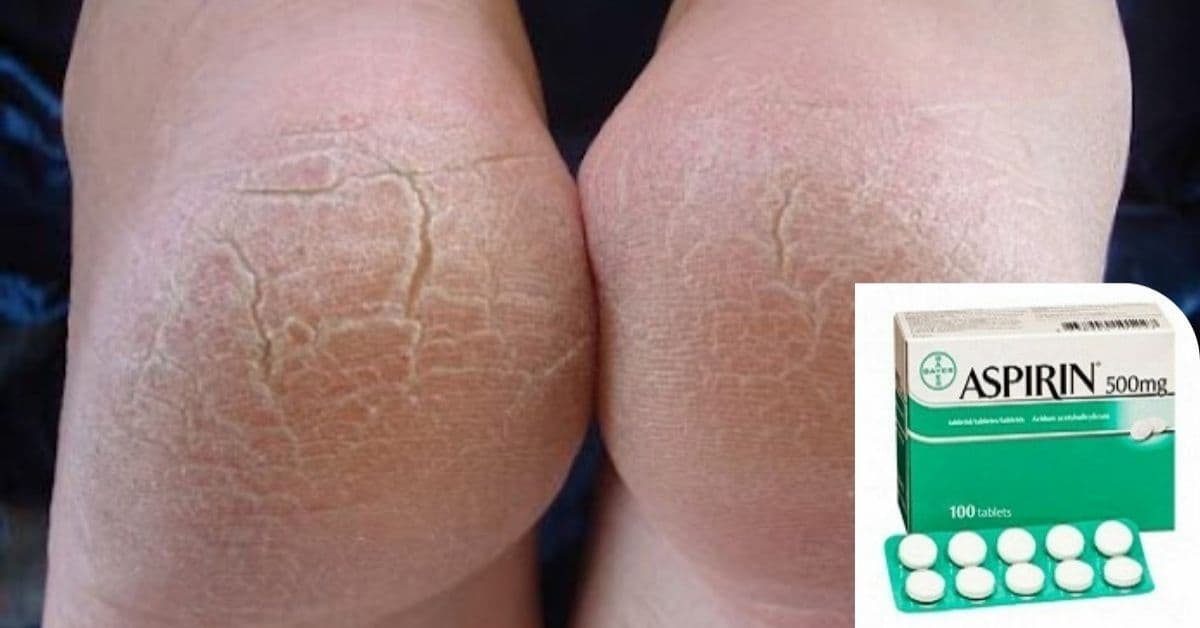
Cracked heels are not just a cosmetic defect. You only understand how exhausting they can be when you actually experience them yourself. The skin splits, pain appears with every step, sometimes it even bleeds, and walking becomes an everyday struggle. At first I also thought this was just about “dry skin,” but soon I realized there was something deeper behind it.
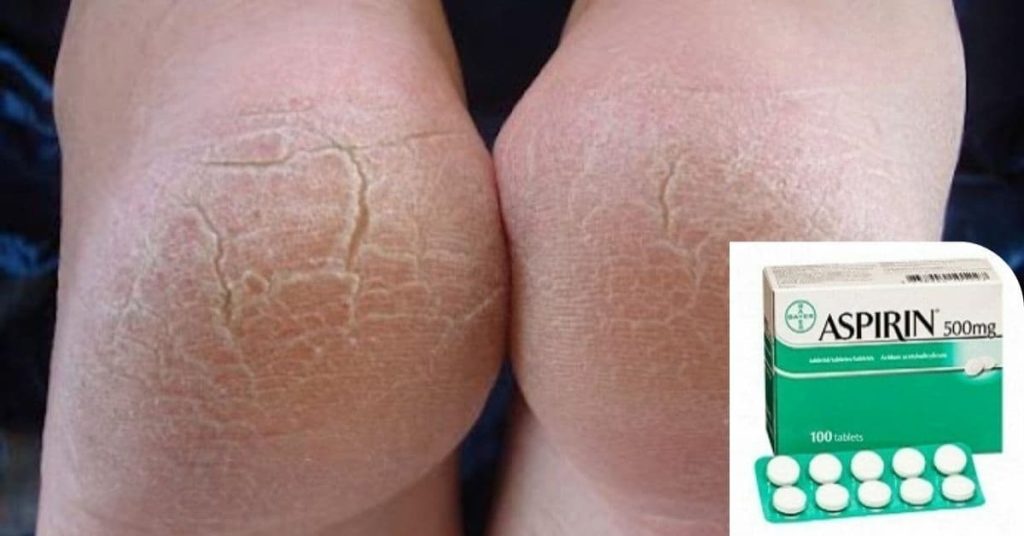
Why heels really crack
Heels usually crack when the skin becomes extremely dry and loses its elasticity. The outer layer stretches and then breaks into fissures. In summer heat and moisture soften the surface, while in winter the cold and dry air make it rough and fragile. Later I learned it is not only about seasons or shoes. Cracked heels may be connected to endocrine disorders, vitamin deficiency, diabetes, skin diseases, fungal infections or structural foot problems such as flat feet. It became obvious that one cream could not magically fix all of this.
Small cracks that send a big message from the body
Before it happened to me, I never imagined heel cracks could be a signal from the body saying, “Pay attention.” Doctors explained that these fissures may indicate hormonal imbalance, circulation problems, vitamin A and E deficiency and general physical exhaustion. It turned out cracked heels were not only an aesthetic issue, but sometimes a real indicator of health.
Mechanical or biochemical — the two sides of the same problem
During a specialist visit, I was told something important. Cracked heels develop not only because of outer pressure but also because of internal reasons. On the one hand there are mechanical factors such as uncomfortable shoes, constant micro-trauma, prolonged standing, synthetic socks and skin irritation. On the other hand there are biochemical causes: metabolic changes, thyroid disorders, diabetes and hormonal imbalance. When I finally understood these two directions together, the whole process became clearer.
The “magic internet remedies” and the truth behind them
Online you will find hundreds of “miracle recipes” promising baby-soft heels in ten days. Many of them describe aspirin mixed with strong alcohol and applied overnight. The photos look impressive, and for a moment I also believed them. But reality is different. Alcohol burns damaged skin, delays healing and increases the risk of infection, while aspirin irritates already sensitive tissue. I tried such aggressive methods once — and learned they create more problems than they solve.
What actually worked for me
The real turning point happened after visiting a podiatrist. I heard a simple sentence that changed everything: “If you only sand them from the outside and change nothing inside, the cracks will return.” Healing began when I started to moisturize the skin continuously, reduced pressure on the heels, wore comfortable shoes and investigated internal causes. Gentle and consistent care turned out to be far more effective than drastic experiments.
What specialists usually recommend
Doctors focus on several key principles. First is constant hydration of the skin with rich creams and ointments. Second is gentle exfoliation instead of aggressive filing. Third is attention to the body itself — blood sugar, thyroid function, vitamin balance and possible infections. When these factors were addressed together, my heels improved significantly within a couple of weeks, and walking stopped hurting.
Natural care when you prefer a softer approach
Natural oils such as coconut, shea and almond oil helped soften my heels and calm irritated skin. Warm foot baths and soothing herbal infusions reduced discomfort. I realized the secret was not in one “miracle night recipe” but in regular, delicate and respectful care for my feet.
When it’s time to see a doctor
Professional help is essential when cracks are deep, bleeding, infected or do not heal for a long time, and especially in diabetes. Feet carry us every day, and ignoring them is never a good idea. Early consultation prevents complications and speeds recovery.
My final conclusion
The internet loves miracles and dramatic promises. Real healing, however, starts from understanding your own body. Cracked heels are not a curse and not a simple cosmetic flaw — they are a message. When I finally listened, changed my habits and treated my feet kindly, they really did begin to heal. Not overnight, not magically, but safely, gradually and permanently.
Vau.ge – Your Daily Guide for Practical Advice!
Vau.ge is a place where caring for your health, beauty, and daily routines becomes a natural, accessible, and enjoyable experience. Our main goal is to provide you with reliable information about natural remedies, homemade recipes, and practical tips that help you live a healthier life, look better, and simplify your everyday tasks without unnecessary expenses.
Our tips are easy to incorporate into your everyday life — whether it’s skincare, haircare, health-boosting remedies, or small tricks to save time. This knowledge will not only improve your own life but also allow you to share the experience with others, giving more people the chance to live a balanced life naturally and economically.
Please note: The articles on our website are for informational purposes only and do not replace professional medical advice. If you have serious health concerns, please consult a qualified specialist.