





Cholesterol is a type of fat found in the human body. About 80% of cholesterol is produced inside the body itself by organs such as the liver, intestines, kidneys, adrenal glands, and reproductive organs. The remaining 20% is obtained from food. Cholesterol levels change depending on age, body weight, lifestyle, genetics, and sex.
As people get older, the body tends to produce more cholesterol. For this reason, adults are advised to check their cholesterol levels regularly, even if they feel healthy. Children rarely have high cholesterol unless there is a genetic disorder. Among adults, men are generally more prone to elevated cholesterol than women, especially before menopause.
What cholesterol is and why the body actually needs it
Cholesterol is an organic compound that plays a crucial biological role. It is a structural component of cell membranes and is necessary for the production of steroid hormones, bile acids, and vitamin D. Without cholesterol, the human body could not produce estrogen, testosterone, cortisol, or properly digest fats.
Cholesterol is also important for the normal functioning of the nervous and immune systems. Some scientists even suggest that cholesterol acts as an antioxidant, protecting cells from oxidative stress.
Total cholesterol is usually divided into two main fractions:
- LDL (low-density lipoprotein) often called “bad” cholesterol
- HDL (high-density lipoprotein) often called “good” cholesterol
A healthy balance between these fractions is essential. Too much LDL and too little HDL increases the risk of atherosclerosis — the buildup of plaque in blood vessels. Maintaining this balance is one of the keys to cardiovascular health.
Mulberry leaves — a traditional remedy with surprising properties
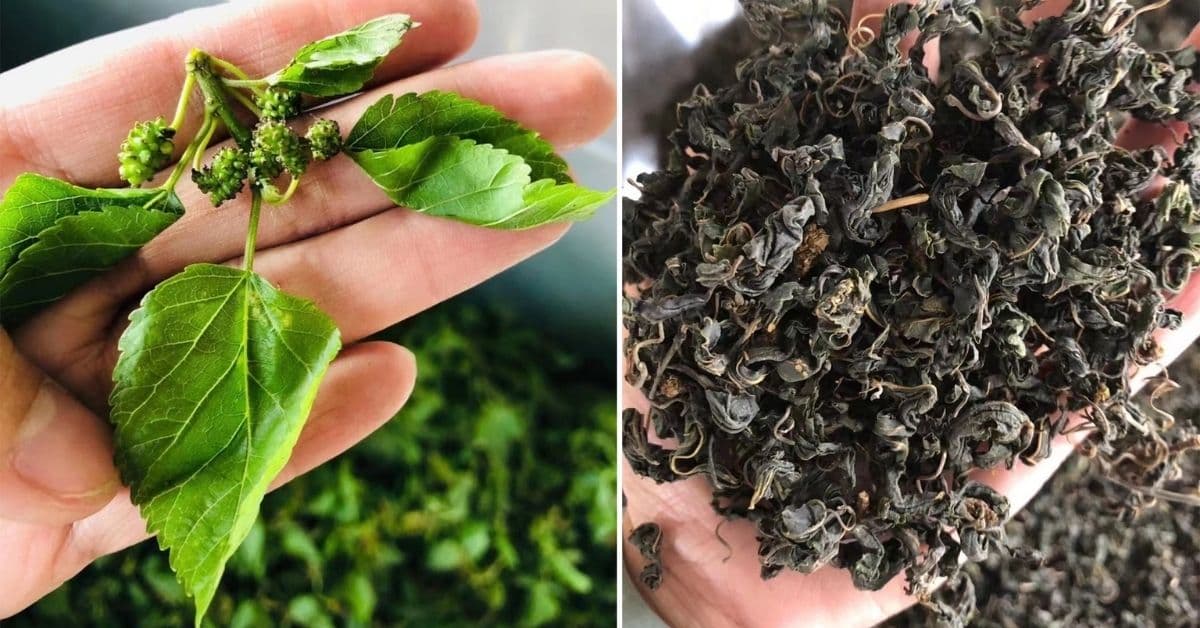
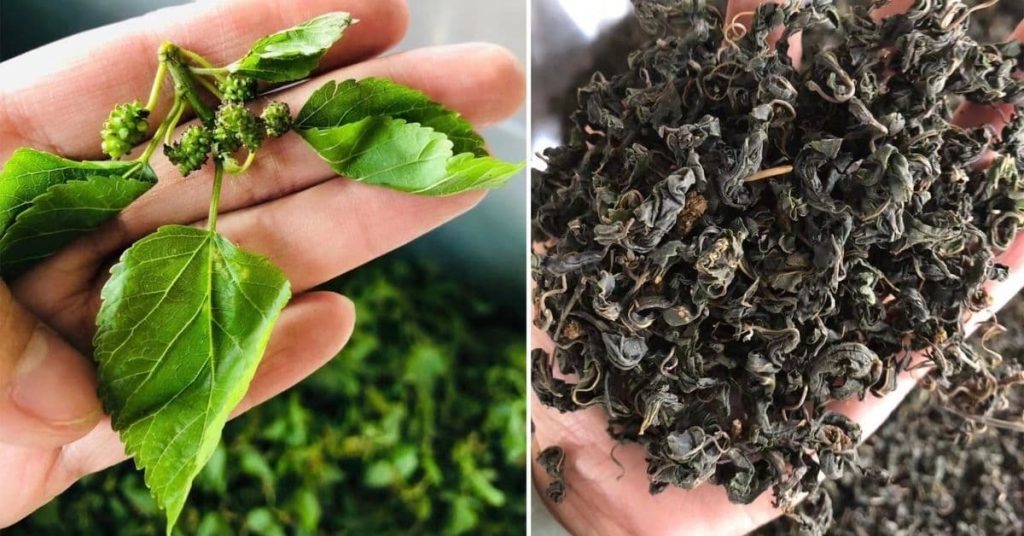
Mulberry leaves have long been used in traditional medicine across Asia and parts of Europe. Many people know mulberry fruit, but surprisingly few are aware of how beneficial the leaves can be. Mulberry leaf tea is traditionally used to support menopausal comfort, digestion, and general well-being.
Mulberry leaves are rich in minerals, especially calcium. Some sources even suggest that mulberry leaves can contain more calcium than milk, making them an attractive plant-based option for people who avoid dairy products. In addition to calcium, mulberry leaves contain antioxidants, vitamins, and plant compounds known as flavonoids.
Vitamin C and other nutrients found in mulberry leaves
Mulberry leaves contain significant amounts of vitamin C, which is vital for bones, teeth, and the health of blood vessels. Vitamin C supports collagen production, enhances immune system function, and helps the body fight oxidative damage. Because of these properties, mulberry tea is often consumed during cold seasons.
Traditionally, mulberry leaves have been used for conditions such as bronchitis, tonsillitis, and sore throat discomfort. Some people drink the tea to support hair strength and reduce hair shedding. Others use it to help with stress, mild insomnia, tension headaches, and overall fatigue.
Although folk traditions attribute many benefits to mulberry leaves, it is important to remember that tea is supportive, not a substitute for medical treatment.
Can mulberry leaf tea support cholesterol, blood pressure, and blood sugar?
Mulberry leaves have been studied for their content of compounds that may help the body regulate metabolism. Some research suggests that mulberry leaves may help:
- support healthy cholesterol levels
- promote better blood sugar control
- aid in weight-management efforts
- support cardiovascular health
- provide antioxidant protection
Because of these properties, mulberry leaf tea is often mentioned in connection with high cholesterol, hypertension, and type 2 diabetes support. It is not a cure and should never replace prescribed medication, but it may be used as part of a healthy lifestyle under medical guidance.
A note about claims such as “cures cancer or diabetes”
Folk medicine traditions sometimes claim that mulberry leaves “fight cancer,” “eliminate diabetes,” or “erase hypertension.” It is essential to phrase this responsibly. Mulberry leaves contain antioxidants and bioactive compounds that may support the body’s natural defenses. However, no tea can cure cancer, diabetes, or hypertension on its own.
People with any medical condition should consult their doctor before replacing or stopping medications. Mulberry tea should be seen as support, not a miracle treatment.
How to prepare mulberry leaf tea
To prepare traditional mulberry leaf tea, dried mulberry leaves are used.
Place 1 tablespoon of dried mulberry leaves in a cup or teapot. Pour 4–5 cups of boiling water over the leaves. Allow the mixture to steep and cool slightly. The tea can then be consumed warm or at room temperature.
Prepared tea can be stored in the refrigerator or in a thermos for up to one day. After that, it is best to make a fresh batch to preserve flavor and nutritional value.
Who should use mulberry leaf tea with caution?
Even natural remedies require common sense. People who should consult a doctor before using mulberry leaf tea include:
- pregnant or breastfeeding women
- individuals taking diabetes or blood pressure medication
- people with kidney or liver disease
- individuals with known plant allergies
Since mulberry leaves may mildly influence blood pressure and blood sugar, combining them with medication may require monitoring.
Lifestyle still matters more than any single tea
Mulberry leaf tea can be a pleasant part of a healthy routine, but long-term health depends primarily on:
- a balanced diet
- physical activity
- stress management
- avoiding smoking and excess alcohol
- regular medical checkups
Cholesterol, blood sugar, and blood pressure respond most dramatically to these daily habits.
Final thoughts
Mulberry leaf tea is an ancient traditional drink that offers aroma, comfort, and potentially supportive health benefits. Rich in vitamins, minerals, and plant compounds, it may help the body maintain metabolic balance and strengthen general well-being.
However, serious medical conditions such as high cholesterol, diabetes, or high blood pressure require professional medical care. Mulberry tea can be a partner, not a replacement, in health management.
Enjoy the tea, listen to your body, and always consult your doctor for personalized advice.
Vau.ge – Your Daily Guide for Practical Advice!
Vau.ge is a place where caring for your health, beauty, and daily routines becomes a natural, accessible, and enjoyable experience. Our main goal is to provide you with reliable information about natural remedies, homemade recipes, and practical tips that help you live a healthier life, look better, and simplify your everyday tasks without unnecessary expenses.
Our tips are easy to incorporate into your everyday life — whether it’s skincare, haircare, health-boosting remedies, or small tricks to save time. This knowledge will not only improve your own life but also allow you to share the experience with others, giving more people the chance to live a balanced life naturally and economically.
Please note: The articles on our website are for informational purposes only and do not replace professional medical advice. If you have serious health concerns, please consult a qualified specialist.