







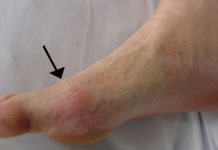




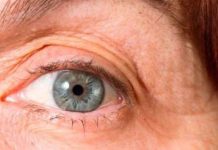



When people hear the word “cholesterol,” they often immediately think of danger, blocked arteries, and heart attacks. In reality, cholesterol is not a monster living inside the bloodstream. It is a natural fat-like substance that the body actually needs. Cholesterol is part of every cell membrane and acts, in a way, as “building material” for cells. It is also used to produce many important hormones — including sex hormones — and vitamin D.
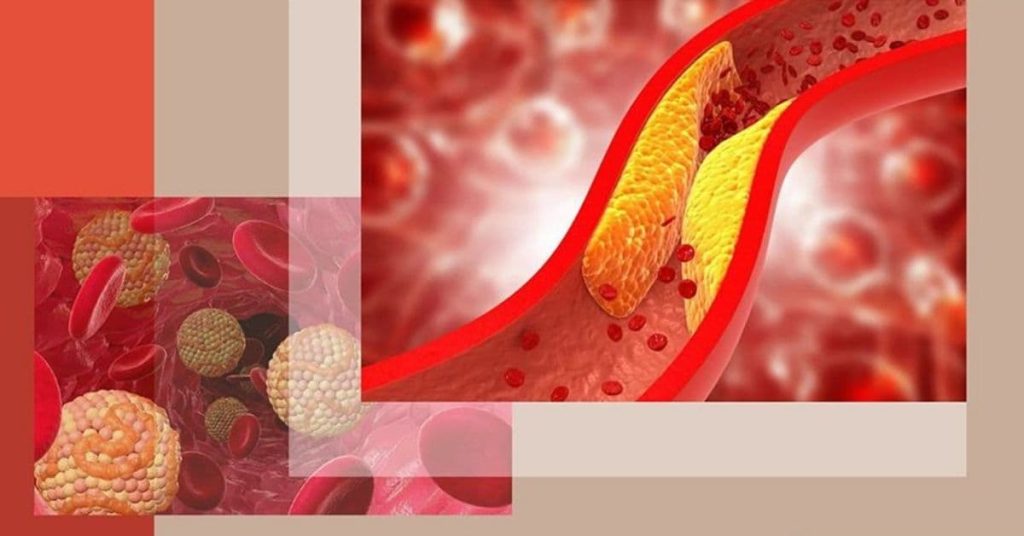
About 80% of the cholesterol in the body is produced by the body itself through normal metabolism, mainly in the liver. Only about 20% comes directly from food. That means diet matters, but it is not the only factor. Genetics, hormones, lifestyle, and medical conditions also play powerful roles.
What counts as normal cholesterol levels?
To understand whether cholesterol is high or not, you must know the numbers. Total cholesterol up to 5.2 mmol/L (or roughly 200 mg/dL) is considered within the normal range for most adults.
If test results show cholesterol between 5.2 and 6.5 mmol/L, the risk of developing atherosclerosis — the buildup of fatty plaques in blood vessels — becomes higher. When total cholesterol rises to 6.5–8 mmol/L, this is already considered marked hypercholesterolemia, and medical evaluation and correction are necessary, especially for people who smoke or have other heart-disease risk factors.
Cholesterol should never be evaluated in isolation. Doctors also look at LDL (“bad” cholesterol), HDL (“good” cholesterol), triglycerides, blood pressure, blood sugar, body weight, and family history. That is why professional testing matters far more than guessing based on symptoms.
Can lifestyle changes lower cholesterol?
Very often, yes. For many people, healthy dietary changes and regular physical activity can noticeably improve cholesterol numbers. However, there are also cases where lifestyle changes are not enough. In those situations, medications prescribed by a doctor are necessary and lifesaving. Self-medicating or replacing proven treatment with unverified home remedies is not safe.
The healthiest approach combines:
- informed nutrition
- consistent movement
- avoiding smoking
- quality sleep
- stress control
- and medical guidance when needed
Foods that may raise cholesterol and should be limited
When cholesterol levels are high, the overall eating pattern matters more than one single food. Still, it is reasonable to reduce or avoid highly fatty and processed products such as full-fat dairy cream, high-fat cheeses, butter, fatty cuts of meat, sausages, fried foods, rich pastries, ice cream, creamy desserts, and heavily processed snacks. Deep-fried potatoes and foods made with large amounts of trans fats are especially problematic because they increase LDL (“bad”) cholesterol.
This does not mean “never eat anything you enjoy again.” It means recognizing that daily choices add up inside arteries just as surely as days add up on the calendar.
Foods that are generally helpful in a cholesterol-lowering diet
Many foods work in the opposite way — they support better lipid balance. Lean chicken or turkey, white fish, beans and lentils, vegetables, fruits, whole-grain bread, oatmeal, brown rice, and low-fat or fat-free dairy are commonly recommended. Plant oils such as sunflower or corn oil, used in moderation instead of animal fats, may also help. Fiber-rich foods, especially legumes and vegetables, play an important role in helping the body remove excess cholesterol.
It is not about following a short-term “diet,” but about finding a pattern you can live with. Cholesterol responds to habits, not to single meals.
Movement: the partner of diet
Physical activity is as important as nutrition. Regular walking, swimming, cycling, dancing, or any enjoyable exercise promotes better circulation and increases HDL (“good”) cholesterol. There is no need to attempt extreme workouts that exhaust the body. Overtraining is just as harmful as doing nothing. The goal is steady, sustainable movement that becomes part of daily life.
Who should check cholesterol levels?
Men over 40 and women after menopause are usually advised to have cholesterol checked regularly, even if they feel completely fine. People with diabetes, high blood pressure, overweight, a strong family history of heart disease, or who smoke should be screened even earlier and more often. Along with cholesterol, doctors may recommend an ECG, blood sugar testing, and blood-pressure monitoring.
Cholesterol has one unpleasant feature: it rarely hurts while it is rising. That is why testing matters — it shows silent problems before they become loud emergencies.
A serious word about home remedies
Traditional and “folk” recipes are popular all over the world, especially for cholesterol. Some people talk about garlic mixtures, herbal tinctures, and other homemade blends. It is important to approach all such advice very carefully. Natural does not always mean harmless, and some mixtures may interact with medications or be unsafe for certain people, especially if alcohol is involved or if the doses are unclear.
No home remedy should ever replace professional medical evaluation, particularly when cholesterol is significantly elevated or when there are other risk factors such as smoking, diabetes, chest pain, or shortness of breath.
What actually makes the biggest difference?
The strongest and safest cholesterol-lowering “formula” is surprisingly simple:
- balanced nutrition low in saturated and trans fats
- regular physical activity
- weight management if needed
- quitting smoking
- stress reduction
- doctor-guided medication when indicated
Unlike miracle recipes, these measures are backed by decades of scientific evidence and dramatically reduce heart-attack and stroke risk.
When to see a doctor immediately
You should urgently seek medical help if high cholesterol is accompanied by chest pain, shortness of breath, fainting, sudden weakness on one side of the body, severe headache, or vision problems. These symptoms may signal acute cardiovascular events and require emergency care.
Even without symptoms, very high cholesterol values themselves deserve timely medical consultation.
Final thoughts — you can change your numbers and protect your heart
High cholesterol is not a sentence, nor is it something to panic about — but it is something to respect. Understanding your numbers, adjusting diet and movement, avoiding tobacco, and following medical advice can lead to genuinely impressive changes. Many people are pleasantly surprised when repeat blood tests show real improvement after consistent lifestyle changes.
Your heart, brain, and blood vessels silently depend on your daily choices. Start with small steps, remain consistent, and let your healthcare professional guide you safely along the way.
Vau.ge – Your Daily Guide for Practical Advice!
Vau.ge is a place where caring for your health, beauty, and daily routines becomes a natural, accessible, and enjoyable experience. Our main goal is to provide you with reliable information about natural remedies, homemade recipes, and practical tips that help you live a healthier life, look better, and simplify your everyday tasks without unnecessary expenses.
Our tips are easy to incorporate into your everyday life — whether it’s skincare, haircare, health-boosting remedies, or small tricks to save time. This knowledge will not only improve your own life but also allow you to share the experience with others, giving more people the chance to live a balanced life naturally and economically.
Please note: The articles on our website are for informational purposes only and do not replace professional medical advice. If you have serious health concerns, please consult a qualified specialist.