











Winter came, and the cough returned with it. Cold air, school germs, playground viruses — and of course, children are the first to get sick. I used to do what most parents do: I went straight to the pharmacy and bought cough syrup without thinking twice. Then one day I finally read the entire label, every tiny line, and I honestly thought, “I don’t want this anymore.” Too much sugar, artificial colors, alcohol-based ingredients, and pages of possible side effects. At some point it felt like I was buying peace of mind, not real relief.
That was the moment I decided to try something different. I made simple homemade lozenges myself, using ingredients I already trusted. The funny part is that I didn’t have to convince my kids to take them. They actually began asking for them on their own, because they taste like candy while gently soothing the throat. When something is pleasant and comforting, the resistance disappears.
What these “secret lozenges” really are and why they feel so helpful
They are not magic pills and they are not a cure-all solution. They do not promise to erase every cough instantly. Instead, they combine warmth, softness, and slow melting. The lozenges dissolve gradually in the mouth, coating the throat and calming irritation. That scratchy, tickly feeling that keeps kids coughing suddenly becomes easier to tolerate.
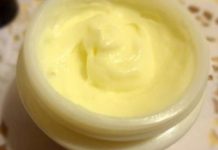
The idea is beautifully simple. The lozenges are made from coconut oil, natural honey, and a touch of cinnamon. These are everyday kitchen ingredients, not complicated chemical names you have never heard of. As a parent, that alone feels reassuring — you know exactly what your child is taking.
How the lozenges are prepared
Preparation is just as easy as the concept itself. The coconut oil does not need boiling; it is simply whisked until it becomes lightly foamy on the surface. Then honey and a small amount of cinnamon are added and mixed until the texture becomes smooth and uniform. After that comes the part children enjoy most — the mixture is poured into ice-cube molds and placed in the freezer.
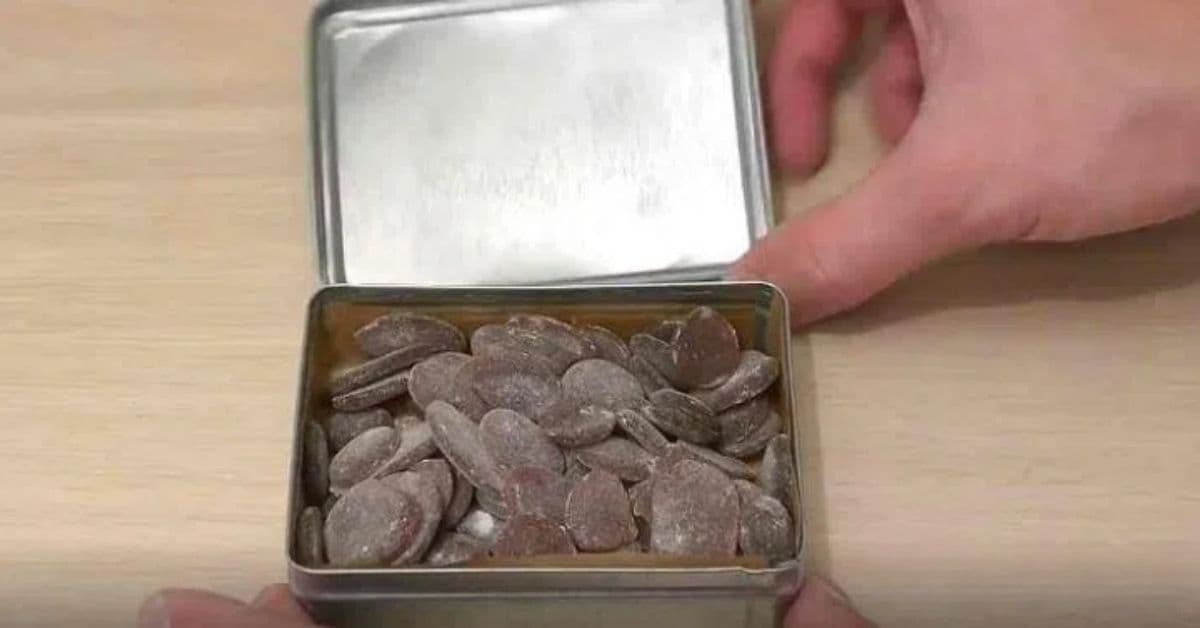
In a few hours, you get small melt-in-the-mouth lozenges. They are not too hard and not too soft, just right to slowly dissolve and coat the throat. They don’t taste like medicine, so there are no tears, no begging, and no chasing the child around the house with a spoon.
Why this method stayed in our family routine
The biggest difference is that this process is not only about cough. It becomes a family ritual. There is the warm kitchen, the act of making something together, the sense that the child is involved rather than forced. The child is no longer just a “patient,” but someone who participates in their own care.
Of course, I fully accept reality: if a cough is accompanied by high fever, difficulty breathing, wheezing, weakness, or lasts a long time, a doctor’s visit is absolutely necessary. These lozenges cannot replace medical treatment when the illness is serious. But when the throat is irritated and children keep waking up from dry coughing at night, they truly become a small but meaningful help.
Honey, coconut oil, and cinnamon — what is behind the comfort
Honey has long been known as a natural throat soother. It coats the throat and helps ease irritation. One thing must be said clearly and seriously: honey must never be given to children under one year old.
Coconut oil gives structure to the recipe. It melts slowly in the mouth and provides a soft, silky sensation. Dry winter air often irritates the throat, and this gentle coating can feel incredibly comforting.
Cinnamon is more than just flavor. It gives warmth, aroma, and that cozy “winter taste” children remember. Only a small amount is enough; the goal is a light hint, not an overpowering spice.
How I give these lozenges to my children
In our home, I offer them two or three times a day to older children who can safely suck lozenges. The idea is not to chew them quickly but to let them melt slowly. For toddlers or children who might choke on hard candy, I would not use lozenges at all. For them, warm tea or spoon-fed honey (only if older than one year) is far more appropriate.
I don’t call these lozenges “medicine.” To me, they are part of our winter comfort ritual, just like warm blankets or herbal tea. Peaceful evenings, calmer coughing, and children finally sleeping through the night — that is why this little recipe stayed in my home.
One thing every parent needs to remember
Even though this sounds like a viral life-hack, one reality must always stay in focus. Natural does not automatically mean safe for everyone. Allergies, age limits, medical conditions — all of these matter. Doctors remain essential, and home remedies are only supportive additions.
But when the night is cold, the wind is howling, and your child can’t stop coughing, a small homemade lozenge can become more than just a sweet treat. It becomes comfort, warmth, and care made by a parent’s own hands.
Vau.ge – Your Daily Guide for Practical Advice!
Vau.ge is a place where caring for your health, beauty, and daily routines becomes a natural, accessible, and enjoyable experience. Our main goal is to provide you with reliable information about natural remedies, homemade recipes, and practical tips that help you live a healthier life, look better, and simplify your everyday tasks without unnecessary expenses.
Our tips are easy to incorporate into your everyday life — whether it’s skincare, haircare, health-boosting remedies, or small tricks to save time. This knowledge will not only improve your own life but also allow you to share the experience with others, giving more people the chance to live a balanced life naturally and economically.
Please note: The articles on our website are for informational purposes only and do not replace professional medical advice. If you have serious health concerns, please consult a qualified specialist.