











About five years ago, my mother suddenly developed severe sciatic nerve pain. The pain was so intense that she could not find a comfortable position — sitting, standing, lying down, everything hurt. She had to stop working and even getting out of bed became extremely difficult. With the help of dedicated doctors she eventually stood up again and returned to normal life, but the experience remained unforgettable.
Later, the pain returned again — this time in the countryside, where there were no doctors nearby. We were far from clinics and pharmacies, so I started searching for traditional and natural methods to ease her pain. To my surprise, I discovered several simple remedies that truly gave her noticeable relief. Since then, I share these methods with others who experience similar discomfort — always reminding them that folk remedies support, but do not replace professional medical care.
What is the sciatic nerve?
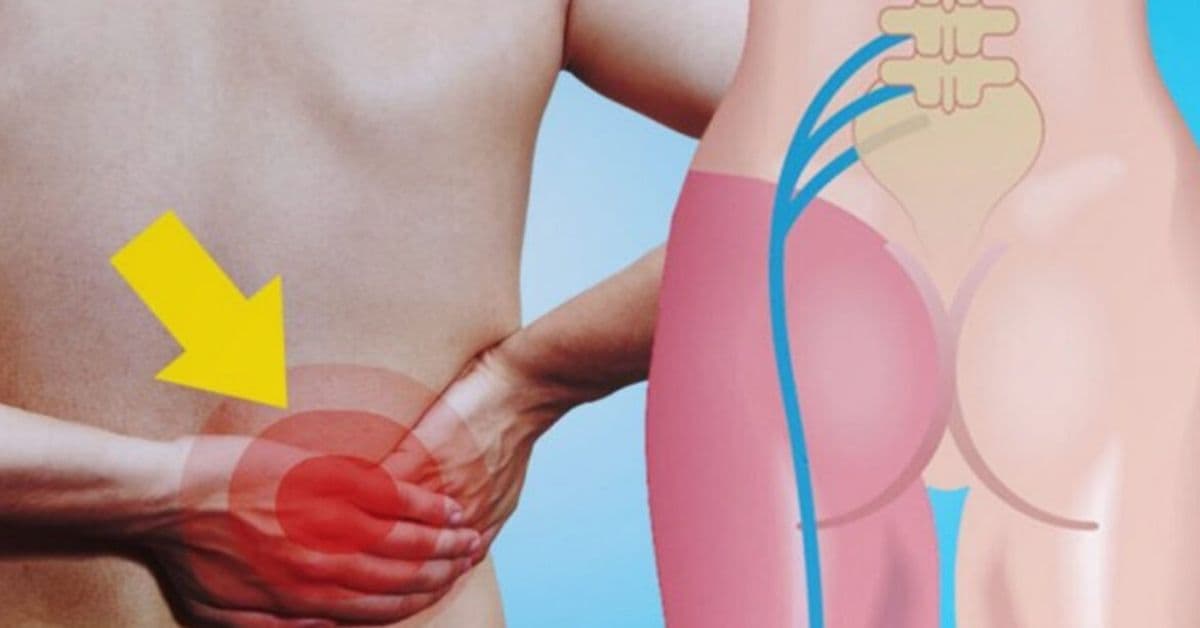
The sciatic nerve is the longest and one of the thickest nerves in the human body. It begins in the lower spine, in the lumbar area, passes under the gluteal muscles, goes down the thighs and legs, and reaches the feet. This nerve plays a key role in:
- movement of the legs
- sensitivity of the lower limbs
- connecting leg muscles with the central nervous system
When the sciatic nerve becomes irritated or compressed, a condition called sciatica develops.
Why does sciatic nerve pain occur?
The most common cause is a herniated intervertebral disc, when the soft inner part of a spinal disc presses on the nerve. Other possible reasons include:
- spinal osteochondrosis
- spinal stenosis
- trauma or heavy lifting
- muscle spasms
- long-term incorrect posture
Pain usually spreads:
- from the lower back
- to the buttock
- down the back of the thigh
- sometimes to the calf and foot
It may be sharp, burning, shooting, or constant aching.
My mother’s story
My mother’s pain came suddenly. She stopped caring about work because she simply could not move. Even turning in bed was difficult. After treatment, physical rest, and medical therapy, she slowly improved.
Years later, the pain returned again — stronger than before, and exactly when we were staying in a village far from medical help. That is when I turned to folk medicine as temporary support until we could see a doctor. Some of these remedies helped reduce pain and tension, allowing her to rest and move more comfortably.
Below I share the methods we tried — but they are not a substitute for medical diagnosis or treatment. Anyone who experiences intense pain, numbness, weakness of the leg, bowel or bladder problems, fever, or trauma should see a doctor urgently.
Effective traditional remedies we used
1. Herbal infusion of St. John’s wort (for sciatic and rheumatic pain)
For long-lasting thigh pain, sciatica, or rheumatism, an infusion made from certain herbs is traditionally used.
Preparation:
- Add 2 tablespoons of dried herb to 2 cups of boiling water.
- Let it steep for 1–2 hours.
- Drink the infusion warm, half a cup, 2–4 times a day, before meals.
This drink is believed in folk medicine to relax muscles and gently reduce inflammation sensation. People who are pregnant, breastfeeding, or taking medications must consult a doctor first, because herbs may interact with medicines.
2. Willow leaf decoction (for sciatica, rheumatism, and radiculitis)
Another popular home remedy is a decoction of fresh willow leaves.
Preparation:
- Chop fresh willow leaves.
- Add 1 tablespoon of leaves to 1 cup of water.
- Boil gently for 30 minutes.
- Take 1–2 tablespoons 3–4 times a day.
- The warm liquid can also be gently rubbed onto the painful area.
Warm compresses are sometimes used to relax muscles — but they must not be too hot to avoid burns.
3. Warm beeswax applications
In folk medicine, warmed beeswax is used to keep heat in the painful area.
How it is done carefully:
- Place beeswax in a water bath and melt it.
- First, apply a thin test layer on the skin to check heat tolerance.
- If too hot — allow it to cool slightly.
- Apply warm wax in layers using a brush.
- Cover the area with a woolen cloth to retain heat.
- Leave until cooled.
Very important safety note:
- do not use on damaged skin
- avoid if allergic to bee products
- avoid very high temperatures to prevent burns
- not recommended for children or people with circulatory disorders
Sometimes one procedure brings relief; if not, it may be repeated.
4. Violet buds mixed with warmed lard (for neuralgia)
Traditional healers recommend violet buds for neuralgia-type pains.
Preparation:
- Grind dried lilac (violet) buds into powder.
- Mix 1 teaspoon of powder with 4 teaspoons of warm pork fat.
- Rub gently into the painful area.
Always test on a small skin area first to ensure there is no allergy or irritation.
Why might these methods help?
These remedies do not “repair” disc herniation or structural spinal problems. But they may help by:
- warming deep muscles
- relaxing muscle spasms
- improving local blood circulation
- reducing the sensation of stiffness
- providing temporary relief
This gives the body a chance to rest — and sometimes rest is exactly what irritated nerves need.
When sciatic pain requires urgent medical help
Contact a doctor immediately if any of the following appear:
- loss of control of urination or defecation
- severe weakness in the leg or foot drop
- numbness in the groin area
- pain after serious trauma or fall
- fever, unexplained weight loss
- pain lasting longer than 1–2 weeks or worsening
These can be signs of serious conditions requiring immediate treatment.
Modern treatment and prevention basics
Alongside home remedies, doctors often recommend:
- gentle stretching
- physiotherapy
- avoiding heavy lifting
- correct sitting posture
- strengthening back and abdominal muscles
- adequate rest and sleep
Sometimes medication or surgery is necessary — this decision belongs only to a healthcare professional.
Final thoughts
Sciatic nerve pain can make life extremely difficult. I saw it through my mother’s experience — she could not walk, sit, or sleep normally. When the pain returned far from medical services, simple folk remedies helped her ease the symptoms until we could reach doctors. Warmth, herbal infusions, and gentle rubbing supported relaxation and relief.
However, the most important thing is this: listen to your body and never ignore strong or persistent pain. Traditional methods can support, but medical consultation protects your long-term health. Take care of your back, stay warm, move gently, and seek help whenever something feels wrong.
Vau.ge – Your Daily Guide for Practical Advice!
Vau.ge is a place where caring for your health, beauty, and daily routines becomes a natural, accessible, and enjoyable experience. Our main goal is to provide you with reliable information about natural remedies, homemade recipes, and practical tips that help you live a healthier life, look better, and simplify your everyday tasks without unnecessary expenses.
Our tips are easy to incorporate into your everyday life — whether it’s skincare, haircare, health-boosting remedies, or small tricks to save time. This knowledge will not only improve your own life but also allow you to share the experience with others, giving more people the chance to live a balanced life naturally and economically.
Please note: The articles on our website are for informational purposes only and do not replace professional medical advice. If you have serious health concerns, please consult a qualified specialist.