











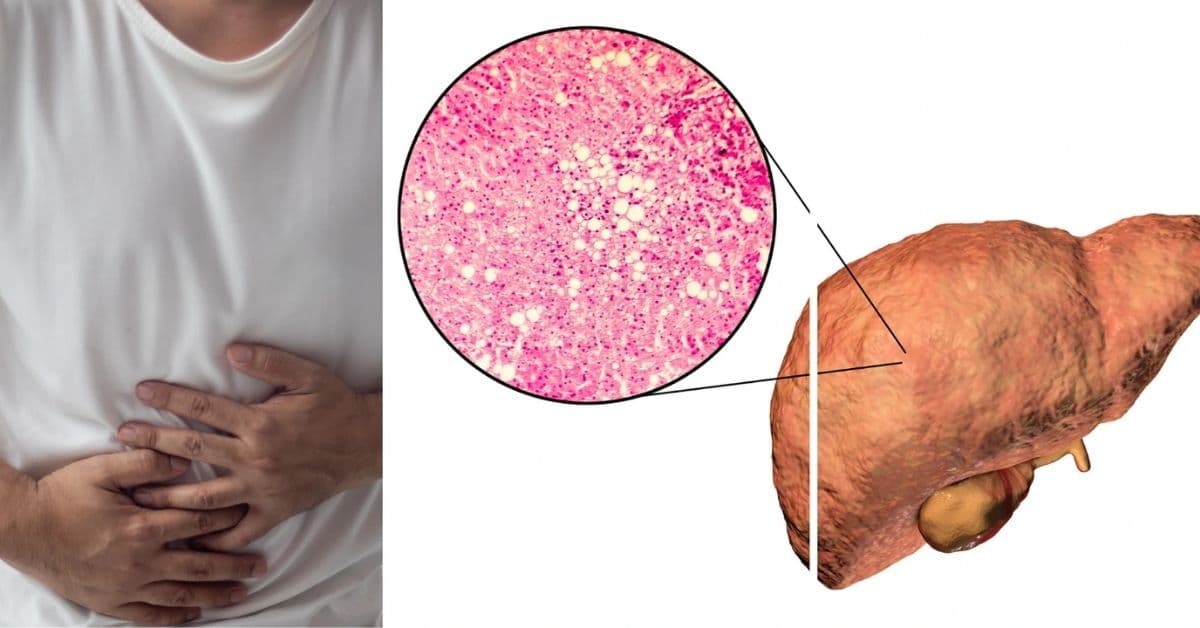
Prevention is always easier than treatment. It is much better to avoid health problems now than to face serious diseases later and spend time, money, and energy trying to recover. One organ that works quietly every single day but is often taken for granted is the liver. The liver filters toxins, processes nutrients, stores vitamins, helps control blood sugar, produces bile for digestion, and performs hundreds of vital functions for our body.
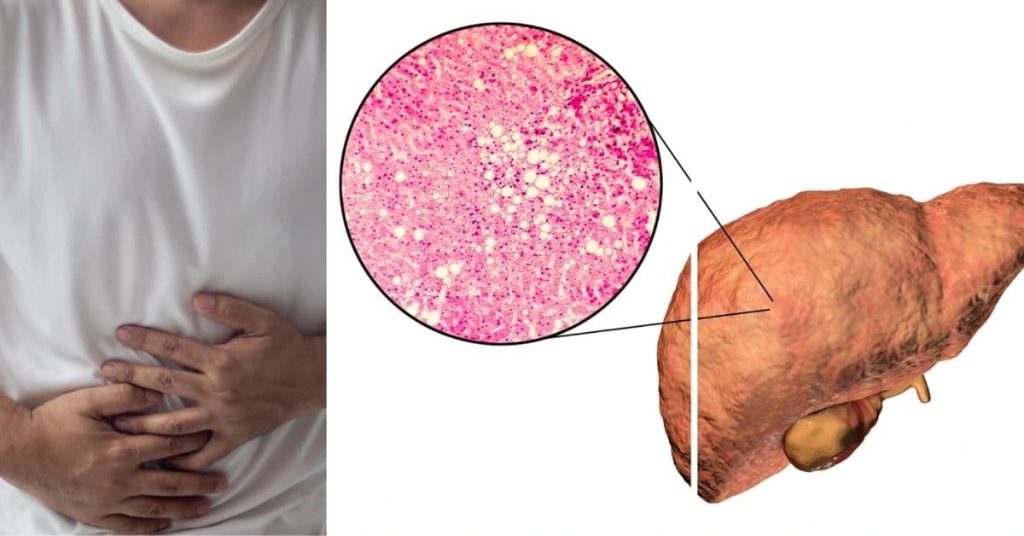
Because it works constantly, unhealthy habits can gradually overload and damage it. Below are six common habits that may harm your liver over time — and small changes that can help protect it.
1. High cholesterol
Cholesterol is a type of fat produced by the liver and also obtained from food. We need it: the body uses cholesterol for cell membranes and as an energy source. However, when cholesterol levels become too high, the excess begins to accumulate in the liver and blood vessels.
If the liver is forced to process more fat than it should, it becomes overloaded. Over time this may contribute to the development of non-alcoholic fatty liver disease (NAFLD) — one of the most common liver conditions worldwide, according to the World Health Organization.
What helps:
- limit highly processed and very fatty foods
- include vegetables, fruit, whole grains, and healthy fats
- regular movement and balanced eating patterns
- check cholesterol levels during routine medical visits
High cholesterol is manageable, especially when noticed early.
2. Going to bed late and waking up late
Our bodies follow a biological rhythm. At night, during deep sleep, many detoxification and repair processes become more active. The liver performs a significant part of these functions, especially during the late-night hours.
When we repeatedly go to sleep very late, sleep too little, or constantly change our schedule, we interfere with these natural cycles. Over time, lack of sleep can affect hormones, appetite, mood, and the way the liver processes toxins and nutrients.
Helpful habits:
- try to sleep 7–9 hours per night
- reduce screens and caffeine late in the evening
- keep a regular sleep–wake schedule
Good sleep is not laziness — it is essential organ care.
3. Ignoring the urge to use the bathroom
Some people rush in the morning or during school or work and hold urine for long periods. Regularly delaying urination is an unhealthy habit. It puts pressure on the urinary tract and kidneys, and indirectly increases the workload of the liver too, because all these systems work together in processing and eliminating waste products.
Listening to your body’s signals is important. When the body asks to eliminate waste, delaying it again and again can contribute to infections or discomfort.
What helps:
- take short bathroom breaks when needed
- drink enough water during the day
- don’t “train” yourself to hold urine for long periods
Your body communicates — answering those signals protects your health.
4. Skipping breakfast
After a night of sleep, blood glucose reserves are low. Breakfast provides the energy the body needs to start the day and helps the liver perform its essential metabolic functions.
Some people skip breakfast intentionally to lose weight or simply because they are in a hurry. Regularly doing so can lead to fatigue, overeating later in the day, poor concentration, and extra stress on the liver, which must work without the fuel it needs.
Supportive choices:
- eat something light but nourishing in the morning (yogurt, fruit, eggs, whole grains, etc.)
- avoid ultra-sweet breakfast drinks replacing food
- listen to natural hunger — don’t suppress it constantly
Breakfast is not just a routine; it is a signal to your metabolism that the day has begun.
5. Poor diet and frequent fast food
Modern life is busy. When schedules are packed, fast food often seems like the easiest option. It tastes good, is quick, and requires no preparation. However, many fast-food meals are high in unhealthy fats, sugar, and salt — a combination especially hard on the liver.
Over time, diets heavy in ultra-processed foods can contribute to weight gain, high cholesterol, insulin resistance, and fatty liver disease. The liver is highly sensitive to what we eat because it metabolizes most nutrients and additives.
Small realistic improvements:
- include home-cooked meals when possible
- add vegetables or salad even to simple dishes
- reduce sugary drinks and heavily fried foods
- don’t strive for “perfection,” just gradual, consistent improvement
Your liver appreciates every small positive change.
6. Alcohol consumption
Alcohol is one of the most well-known causes of liver injury. It interferes with the liver’s ability to perform basic functions, damages liver cells, and leads to inflammation and scarring. Over time, heavy or frequent alcohol use can contribute to serious conditions such as fatty liver, alcoholic hepatitis, and cirrhosis.
For people under the legal drinking age, alcohol is unsafe and unlawful. For adults, any drinking poses some level of risk; less is safer than more. If someone already has liver problems, the safest approach is avoiding alcohol entirely and speaking with a healthcare professional.
Warning signs that require medical help:
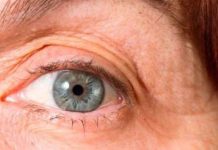
- yellowing of the skin or eyes
- persistent abdominal pain or swelling
- unexplained fatigue or weakness
- dark urine or pale stools
- nausea, vomiting, or easy bruising
Do not ignore these symptoms — early evaluation can protect long-term health.
Other daily habits that support liver health
Beyond avoiding harmful behaviors, some gentle habits help your liver work more comfortably:
- stay hydrated throughout the day
- maintain regular sleep
- include movement you enjoy (walking, cycling, dancing)
- eat fiber-rich foods
- avoid unnecessary medications or supplements without advice
- get vaccinated for hepatitis when recommended by healthcare professionals
Remember: the liver is resilient and capable of regeneration, especially when problems are addressed early.
Final thoughts
Your liver works silently every minute — filtering, storing, transforming, and protecting. Because it rarely “complains” until problems become serious, it is important to care for it proactively. High cholesterol, sleep deprivation, skipping breakfast, holding urine, poor diet, and alcohol use are everyday habits that may slowly harm this vital organ.
By making thoughtful choices, respecting your body’s signals, and seeking medical advice when something doesn’t feel right, you protect not only your liver but your overall well-being. Take small steps today — your future self will thank you.
Vau.ge – Your Daily Guide for Practical Advice!
Vau.ge is a place where caring for your health, beauty, and daily routines becomes a natural, accessible, and enjoyable experience. Our main goal is to provide you with reliable information about natural remedies, homemade recipes, and practical tips that help you live a healthier life, look better, and simplify your everyday tasks without unnecessary expenses.
Our tips are easy to incorporate into your everyday life — whether it’s skincare, haircare, health-boosting remedies, or small tricks to save time. This knowledge will not only improve your own life but also allow you to share the experience with others, giving more people the chance to live a balanced life naturally and economically.
Please note: The articles on our website are for informational purposes only and do not replace professional medical advice. If you have serious health concerns, please consult a qualified specialist.