












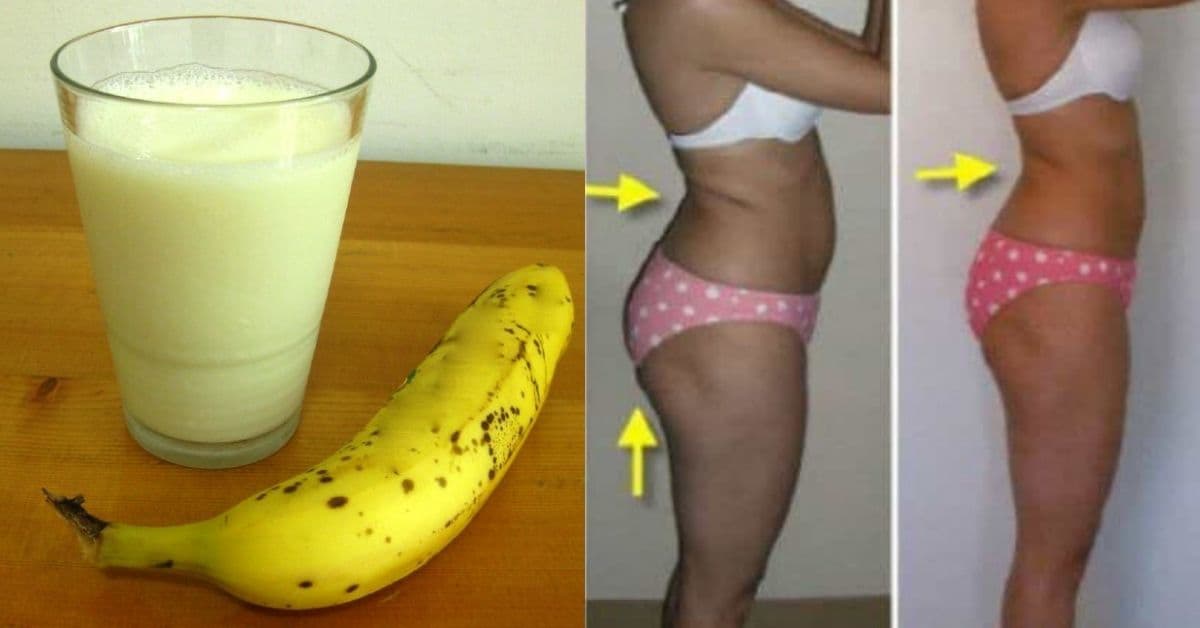
The idea of losing weight quickly and easily attracts many people. Diets that promise fast results with minimal effort always spread rapidly, especially online. One of those popular trends is the so-called Japanese Morning Banana Diet, which suggests eating bananas in the morning and claims that people may lose up to five kilograms in just one week. But how does this diet actually work? What is true, what is exaggerated, and what should you keep in mind about your health?
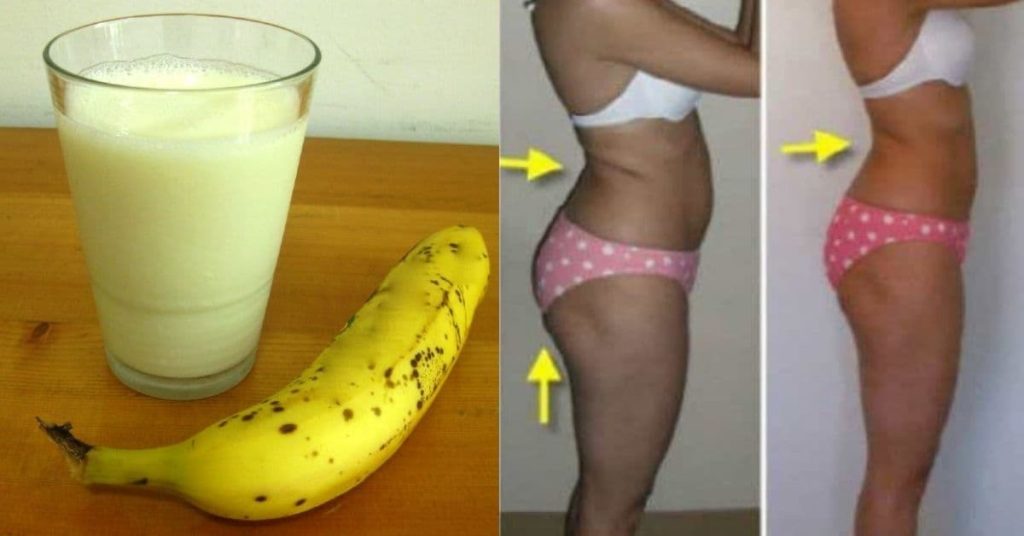
This diet became widely known after Hitoshi Watanabe published his book “The Morning Banana Diet.” He wrote about his own experiences trying to lose weight and described a method created together with his wife, who works as a pharmacist and studies preventive medicine. Because this approach sounded extremely simple, many people quickly became curious.
What is the Morning Banana Diet?
The basic idea sounds almost too easy.
According to the method, in the morning you:
- drink water at room temperature
- eat bananas for breakfast
- then eat normally during the rest of the day
That is why people found it attractive – no strict rules, no complicated meal plans, and no intense exercise requirements. You are not told to count every calorie or give up all your favorite foods.
However, even though this sounds very simple, it is important to understand what this diet can and cannot do, and why a healthy relationship with food matters more than quick results.
Why bananas?
Bananas are often called one of the most convenient breakfast foods. They are:
- rich in fiber
- a source of potassium
- a quick source of energy
- easy to digest for many people
- available and relatively inexpensive
Some supporters of the diet claim that bananas contain resistant starch, which moves through the small intestine without being fully digested and reaches the large intestine, where it is fermented by gut bacteria. This process may support gut health and can help people feel full for longer.
Feeling full may naturally lead to eating a bit less overall, which is one of the real reasons some people lose weight on this diet — not magic, but simply reduced total food intake and better awareness of appetite.
How is the diet usually described?
The general outline given in the original book and by followers is this:
- drink a glass of warm or room-temperature water after waking up
- wait about one hour
- eat one banana (or more if still hungry)
- do not eat again until lunch
- avoid milk during the diet
- try to eat dinner before 8:00 p.m.
Lunch and dinner are not extremely restricted in the classic description. People are told that they can eat “normally” and choose the foods they like, while trying to avoid overeating. Some Japanese people also follow the so-called 80/20 rule, meaning: eat until you feel about 80 percent full, not completely stuffed.
Can you really lose 5 kilograms a week?
This is where expectations need to become realistic.
Some advertisements about this diet claim that you can lose 5 kilograms in a single week. In reality:
- such rapid weight loss is not typical
- a part of quick loss is often water, not fat
- rapid dieting can be unsafe, especially for teenagers
- bodies differ, and results vary widely
Healthy weight management is usually gradual, and focuses on habits, not miracles. If someone loses weight extremely fast, it can sometimes be stressful for the body and mind. For young people, balanced nutrition is especially important for growth, hormones, concentration, and mood.
Therefore, the Morning Banana Diet should not be seen as a magic cure or as the only way to feel confident. It may simply encourage some people to:
- eat breakfast regularly
- drink more water
- pay more attention to satiety signals
- avoid late-night heavy meals
These habits, not bananas themselves, play the biggest role.
What makes the diet appealing?
People like this diet because:
- it feels very simple
- no calorie counting is required
- you don’t need special expensive products
- bananas are easy to carry and eat anytime
- it doesn’t require intense workouts
Some people also like the psychological effect — when mornings begin with routine and structure, they feel more in control of their day.
But there are also important cautions
Even though bananas are healthy, no single food should become an obsession or sole “solution” for weight concerns. Eating only a few foods or following strict rules can sometimes lead to unhealthy attitudes about food.
Keep in mind:
- skipping balanced meals may reduce important nutrients
- promising dramatic fast weight loss can create pressure and disappointment
- teenagers especially need enough protein, calcium, iron, and vitamins
- hunger is not an enemy — it is your body’s signal
If someone experiences dizziness, weakness, mood swings, or feels they are becoming overly focused on strict eating rules, it is important to slow down and talk with a trusted adult or healthcare professional.
A balanced perspective on weight and health
Weight is influenced by many factors: genetics, sleep, stress, growth, hormones, lifestyle, and overall health. A number on the scale does not define worth, beauty, or success. The main goal should always be:
- feeling energetic
- supporting physical and mental health
- having strength to study, move, and enjoy life
If someone wants to change their eating habits, the safest approach is usually:
- regular meals
- fruits and vegetables
- whole grains
- enough water
- good sleep
- enjoyable physical activity (not punishment)
These principles tend to work better long-term than any “quick fix” diet.
So, is the Morning Banana Diet good or bad?
It is neither a miracle nor something magical. It is simply one structured way of eating breakfast, which:
- may help some people with portion control
- may not change anything for others
- is not suitable for everyone
If someone has medical conditions, stomach problems, diabetes, or is still growing (which most teenagers are), they should not make significant diet changes without medical advice.
Final thoughts
The Japanese Morning Banana Diet became popular because it sounds unbelievably easy: eat bananas in the morning and drink water, and supposedly the kilograms disappear. The real picture is more balanced. Bananas are healthy, filling, rich in fiber and potassium, and can be part of a nutritious breakfast. But long-term health and well-being never depend on a single fruit or a single rule.
Instead of chasing extreme promises, it is far more helpful to build gentle, realistic habits and to treat your body with respect and patience. Quick solutions come and go, but your health stays with you for life.
Vau.ge – Your Daily Guide for Practical Advice!
Vau.ge is a place where caring for your health, beauty, and daily routines becomes a natural, accessible, and enjoyable experience. Our main goal is to provide you with reliable information about natural remedies, homemade recipes, and practical tips that help you live a healthier life, look better, and simplify your everyday tasks without unnecessary expenses.
Our tips are easy to incorporate into your everyday life — whether it’s skincare, haircare, health-boosting remedies, or small tricks to save time. This knowledge will not only improve your own life but also allow you to share the experience with others, giving more people the chance to live a balanced life naturally and economically.
Please note: The articles on our website are for informational purposes only and do not replace professional medical advice. If you have serious health concerns, please consult a qualified specialist.