




There are recipes that feed the body, and then there are recipes that carry memory, patience, and family wisdom. This is one of those stories — not just about a dessert, but about a woman, her mother-in-law, and a tradition that refuses to fade with time.
Mrs. Nargiza still remembers the first time she watched her mother-in-law prepare gozinaki the old way. There was no rush, no shortcuts, no modern tricks. Only calm hands, warm honey, and hours of quiet attention. “She made it like a true Georgian housewife,” Nargiza recalls. “And once you tasted it, you never forgot it.”
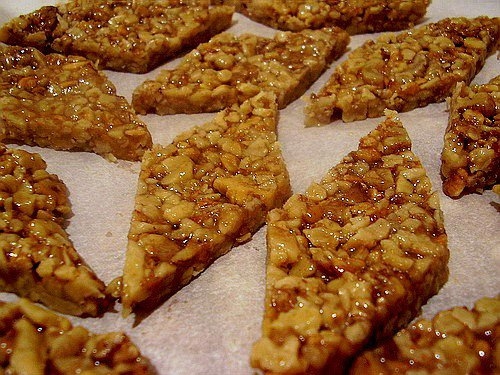
Even today, Nargiza follows that same tradition. She never breaks the ritual, and everyone in the neighborhood knows her gozinaki is different. It has a perfectly even texture, a deep honey flavor, and an almost unbelievable quality — it does not spoil. You can still be served a piece in spring, long after the New Year decorations are gone.
A Recipe Passed Down Through a Mother-in-Law’s Hands
In Georgian culture, the mother-in-law often represents discipline, tradition, and high standards in the kitchen. Learning her recipe was not simply about cooking — it was about proving patience and respect.
This gozinaki recipe comes from that world. It is old, demanding, and deeply rewarding. The main challenge is not the ingredients, but the technique — especially the honey. Georgians call this process “pulling” or “working” the honey, and it requires strength, focus, and time.
For those looking for something truly authentic — something beyond the modern shortcuts — this recipe offers a glimpse into how desserts were once made with care, not convenience.
Why This Gozinaki Is Different
What makes this version unique is its structure and longevity. Unlike many modern variations that harden unevenly or spoil within weeks, this gozinaki remains stable for months.
The secret lies in the honey preparation. It is heated and worked repeatedly, never allowed to boil, until it reaches the perfect crystallized stage. Only then does it bind the walnuts into a solid, glossy mass that holds together beautifully.
This technique creates a dessert that is firm but not brittle, sweet but not overpowering, and incredibly aromatic.
Ingredients: Simple but Honest
As with most traditional Georgian recipes, the ingredient list is modest. There is nothing unnecessary — every element serves a purpose.
You will need:
- 1 kg walnuts
- 500 g natural honey
- 1 cup sugar
That is all. No flavorings, no additives. Just the essentials.
Preparing the Walnuts the Old Way
Walnuts must be sliced very thinly. This step cannot be rushed. Thin slices ensure even binding and a refined texture.
Once sliced, place the walnuts in the oven at 100°C (212°F) and roast gently. The goal is not to brown them, but to dry them slightly while preserving their natural color and aroma. This step prepares the walnuts to absorb the honey properly later.
The Most Important Part: Working the Honey
This is where the recipe tests patience.
Pour the honey into a wide pan and place it over low heat. Stir continuously, as if kneading dough. When the honey warms and becomes thinner, remove it from the heat and continue stirring. It must never boil.
This process is repeated around 20 times — heating, removing from heat, stirring, and returning again. It can take a long time, but this is what gives the gozinaki its legendary durability.
To test readiness, drop a single drop of honey into cold water. If it hardens instantly like a crystal, the honey is ready.
Bringing Everything Together
Once the honey reaches the correct stage, add one cup of sugar and return the pan to low heat. Stir until the sugar fully dissolves.
Then add the prepared walnuts. Now begins the final mixing — steady, thorough, and calm. The mixture should become thick, glossy, and evenly coated.
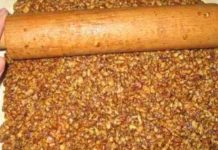
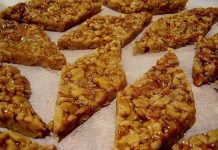
When fully combined, transfer the hot mass onto a wet wooden board. Flatten it evenly and cut it immediately while still hot. Timing is crucial here — once it cools, cutting becomes impossible.
Storing Gozinaki Like Our Grandmothers Did
After the pieces cool completely, place them in a glass jar and seal tightly. Stored this way, the gozinaki remains fresh for months.
This is why Nargiza can offer it even in spring. She opens the jar, takes a few pieces, and closes it again — just as her mother-in-law once taught her.
More Than a Dessert
This gozinaki is not just a New Year’s sweet. It is a symbol of continuity. Of women teaching women. Of patience being rewarded.
Every bite carries the quiet authority of a mother-in-law’s kitchen — where nothing was wasted, nothing was rushed, and quality mattered more than praise.
Why This Recipe Still Matters Today
In a world of fast desserts and shortcuts, this recipe reminds us that some things cannot be hurried. True flavor, like trust and tradition, takes time.
If you are looking for a gozinaki recipe that feels authentic, reliable, and deeply Georgian — this is it. Not because it is easy, but because it is honest.
A Taste That Survives Time
Mrs. Nargiza says she still hears her mother-in-law’s voice while making it. “Don’t rush the honey,” she used to say. “If you respect it, it will respect you.”
And perhaps that is the true secret of this gozinaki — not the walnuts or the sugar, but the patience passed down through generations.
Some recipes feed the table.
This one feeds memory.
Vau.ge – Your Daily Guide for Practical Advice!
Vau.ge is a place where caring for your health, beauty, and daily routines becomes a natural, accessible, and enjoyable experience. Our main goal is to provide you with reliable information about natural remedies, homemade recipes, and practical tips that help you live a healthier life, look better, and simplify your everyday tasks without unnecessary expenses.
Our tips are easy to incorporate into your everyday life — whether it’s skincare, haircare, health-boosting remedies, or small tricks to save time. This knowledge will not only improve your own life but also allow you to share the experience with others, giving more people the chance to live a balanced life naturally and economically.
Please note: The articles on our website are for informational purposes only and do not replace professional medical advice. If you have serious health concerns, please consult a qualified specialist.