





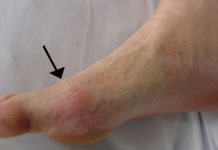






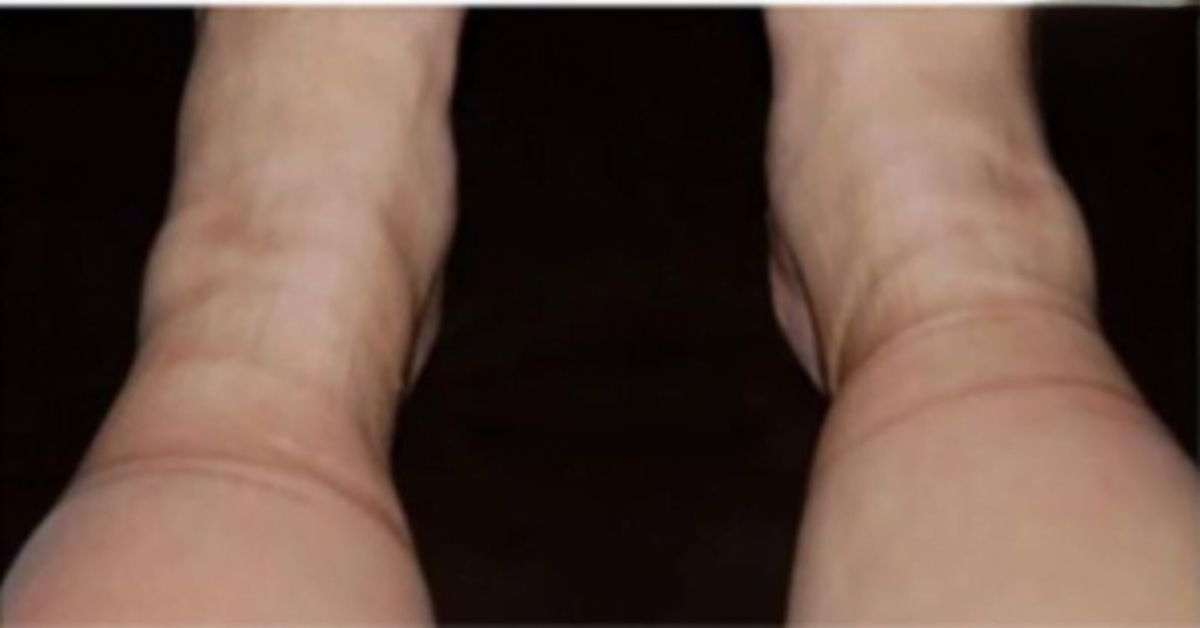
Have you ever looked in the mirror and noticed your fingers, ankles, or face a bit puffier than usual? Maybe your shoes feel tighter, or your rings don’t slip off so easily. Most people dismiss this as “just swelling,” but it’s often something much deeper — a condition known as water retention, or edema.
Water retention happens when excess fluid builds up in the body’s tissues or cavities. It’s extremely common, especially among women during premenstrual periods or pregnancy, but it can affect anyone — at any age.
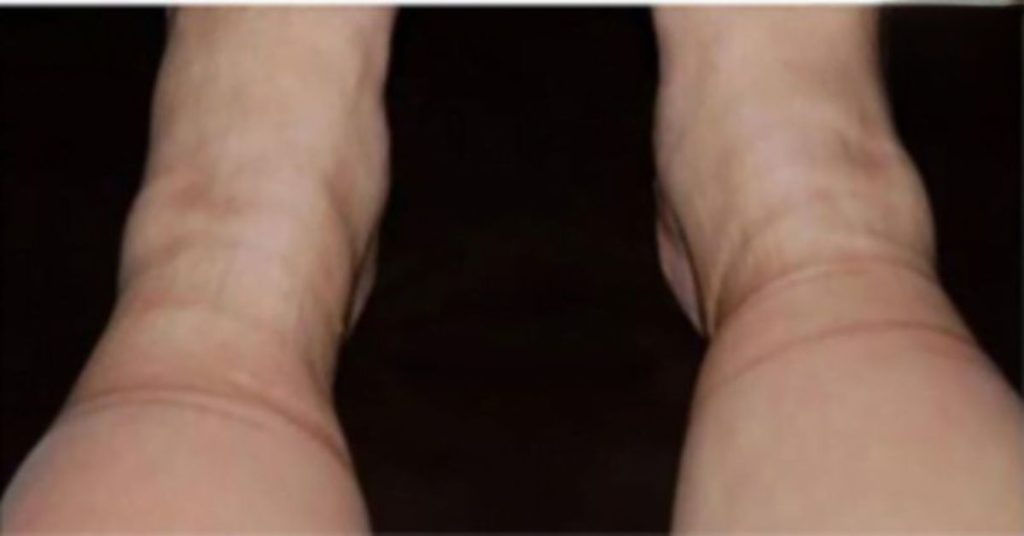
In most cases, it’s not life-threatening. However, persistent or severe swelling may signal serious underlying issues such as heart failure, kidney disease, or liver dysfunction. Understanding why your body is retaining water is the first step to getting rid of it safely and permanently.
Let’s explore the major causes of water retention and how to fight it naturally.
1. Too Much Sodium — The Salt Trap
The number one reason behind fluid retention is excessive sodium (salt) intake.
When you eat too much salt — especially from refined table salt and processed foods — your body struggles to maintain a proper sodium-water balance. To protect itself, it holds on to water to dilute the excess sodium in your system.
This leads to bloating, swollen feet, and puffiness around your eyes.
Canned foods, processed meats, sauces, and snacks are among the biggest offenders.
But here’s the good news — not all salt is bad.
Natural salts such as Himalayan pink salt or Celtic sea salt actually help balance electrolytes and improve hydration. They contain over 80 essential minerals that support fluid regulation. Try switching from refined salt to these natural varieties and notice how your body reacts within a few days.
2. Magnesium Deficiency — The Hidden Culprit
Magnesium is one of the body’s most important minerals, yet it’s also one of the most commonly deficient. This vital nutrient is involved in more than 300 biochemical reactions, including fluid balance and muscle function.
A lack of magnesium is one of the main causes of water retention. Without it, the body can’t effectively move fluids through tissues, leading to swelling and puffiness — especially in women during PMS.
Scientific studies have shown that taking 200 mg of magnesium daily can significantly reduce water retention in women suffering from premenstrual symptoms.
Foods rich in magnesium include:
- Almonds and cashews
- Whole grains and legumes
- Avocado and spinach
- Dark leafy vegetables
- Dried fruit and dark chocolate
If your diet is lacking these, consider a high-quality magnesium supplement — but always consult your doctor first.
3. Vitamin B6 Deficiency — The Hormonal Connection
Vitamin B6 plays a crucial role in regulating water balance and hormonal activity. When your body lacks enough of this vitamin, it struggles to flush out excess fluids.
Several studies have shown that vitamin B6 supplementation helps reduce water retention, particularly for women who experience bloating and swelling during PMS.
You can naturally increase your B6 intake by eating:
- Bananas
- Potatoes (with the skin)
- Tuna, turkey, and chicken
- Lean beef
- Pistachios and sunflower seeds
- Dried fruits
This vitamin not only helps balance fluids but also supports energy levels and reduces fatigue — something that often accompanies swelling and hormonal imbalance.
4. Potassium Deficiency — The Electrolyte Imbalance
Potassium is another critical mineral that keeps your cells, tissues, and organs functioning properly. It maintains the body’s water-salt balance, counteracting sodium’s harmful effects.
When you don’t get enough potassium — due to poor diet, excessive sweating, or overconsumption of processed foods — your sodium levels rise, forcing your body to retain more water.
Low potassium levels can also cause muscle cramps, fatigue, and even weight gain due to fluid buildup. Potassium increases urine output, helping to flush out excess sodium and water.
Instead of turning to supplements, add more potassium-rich foods to your meals:
- Bananas and avocados
- Watermelon and cantaloupe
- Spinach, sweet potatoes, and beans
By simply incorporating these fruits and vegetables, you can naturally balance your electrolyte levels and reduce swelling.
5. Dehydration — The Paradox Few Understand
It might sound counterintuitive, but not drinking enough water is one of the biggest causes of water retention.
When you’re dehydrated, your body goes into survival mode and clings to every drop of water it has. The result? Swelling, puffiness, and that heavy, sluggish feeling.
Proper hydration actually prevents edema. Water helps flush out excess sodium and toxins from your system. You should drink at least 8–10 glasses of pure water daily — more if you’re active or live in a hot climate.
Avoid replacing water with coffee, soda, or alcohol — they act as diuretics and worsen dehydration, tricking your body into holding even more water.
Other Factors That Contribute to Water Retention
- Lack of physical activity: Sitting or standing for long periods reduces circulation, allowing fluids to pool in the legs.
- Certain medications: Birth control pills, antihypertensives, and anti-inflammatory drugs may cause mild swelling.
- Hormonal changes: Menstrual cycles and menopause can temporarily alter fluid balance.
- Chronic conditions: Kidney, liver, and heart problems often manifest as persistent swelling.
If your swelling appears suddenly, is painful, or is accompanied by shortness of breath or fatigue — seek medical attention immediately.
How to Naturally Reduce Water Retention
- Move more: Take short walks, stretch your legs, and avoid sitting still for long periods.
- Drink water regularly: Hydration keeps your kidneys working efficiently.
- Eat more fresh produce: Fruits and vegetables provide essential vitamins, minerals, and fiber.
- Cut down on refined salt: Choose natural alternatives in moderation.
- Massage your legs and feet: Improves circulation and lymphatic drainage.
- Sleep with your legs slightly elevated: Helps reduce fluid buildup overnight.
- Avoid processed and packaged foods: They’re often loaded with hidden sodium.
Within just a week of following these steps, many people notice a visible reduction in puffiness and a lighter, more energetic feeling.
Final Thoughts
Water retention might seem harmless, but it’s your body’s way of saying something isn’t right. Whether it’s an electrolyte imbalance, dehydration, or an early warning of something more serious — it’s a message you shouldn’t ignore.
By understanding the underlying causes and adjusting your daily habits, you can restore balance naturally — without expensive pills or risky treatments.
So, the next time your body feels heavy, your rings tighten, or your ankles swell, listen to your body’s whisper before it turns into a shout.
Your health — and your energy — depend on it.
Vau.ge – Your Daily Guide for Practical Advice!
Vau.ge is a place where caring for your health, beauty, and daily routines becomes a natural, accessible, and enjoyable experience. Our main goal is to provide you with reliable information about natural remedies, homemade recipes, and practical tips that help you live a healthier life, look better, and simplify your everyday tasks without unnecessary expenses.
Our tips are easy to incorporate into your everyday life — whether it’s skincare, haircare, health-boosting remedies, or small tricks to save time. This knowledge will not only improve your own life but also allow you to share the experience with others, giving more people the chance to live a balanced life naturally and economically.
Please note: The articles on our website are for informational purposes only and do not replace professional medical advice. If you have serious health concerns, please consult a qualified specialist.