














It was around 2 a.m. when it first happened.
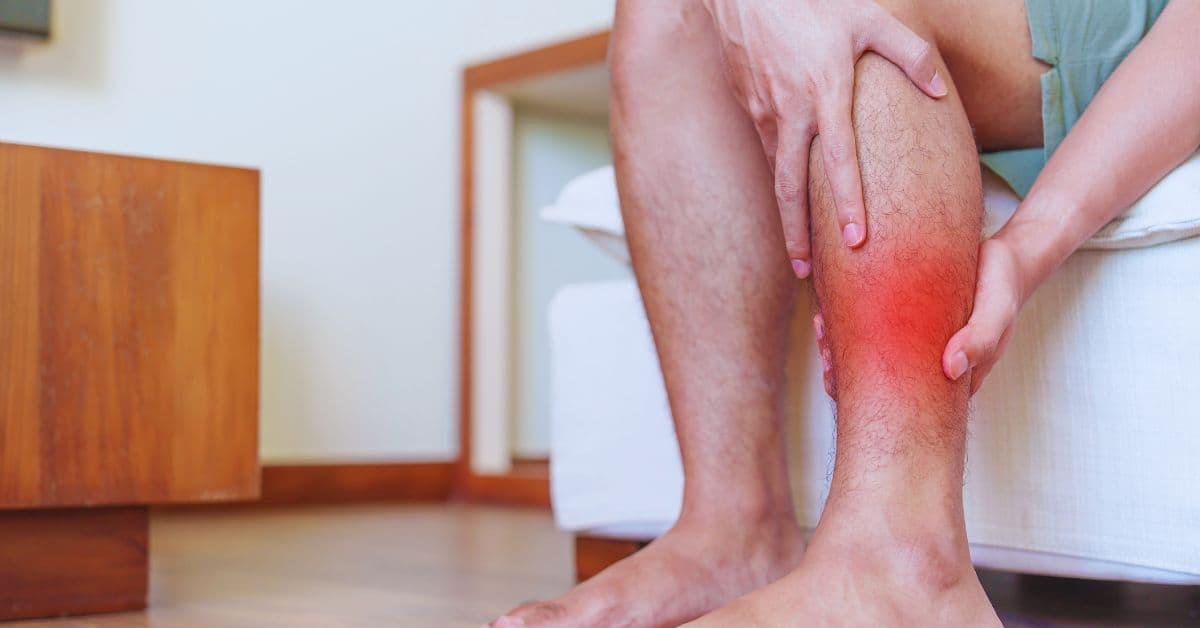
A sharp, stabbing pain jolted me awake — my calf muscle had tightened into a hard knot. I tried to move, but it felt like my entire leg was frozen in pain.
If you’ve ever experienced this, you know exactly what I mean: those unexpected nighttime leg cramps that strike out of nowhere, stealing your sleep and leaving soreness behind.
At first, I thought it was just a one-time thing. But then it started happening again… and again. Every few nights, I’d wake up gasping from the sudden pain, massaging my leg until the cramp slowly faded.
I decided I couldn’t live like that anymore. So, I started to look deeper — why do our legs cramp during sleep, and what can we actually do to prevent it?
The answers surprised me. And once I started following a few simple habits, I finally slept through the night — pain-free.
What Exactly Is a Nighttime Leg Cramp?
A leg cramp is an involuntary muscle contraction, usually affecting the calf, thigh, or foot. It often comes without warning and can last anywhere from a few seconds to several minutes.
While it’s harmless, the pain can be intense — sometimes strong enough to leave the muscle sore for days.
Night cramps often occur when the muscle suddenly tightens due to fatigue, dehydration, or poor circulation. The good news? There are simple ways to both prevent and stop them once they begin.
Why They Happen — The Hidden Causes
Through my own experience and research, I learned that leg cramps can happen for a variety of reasons. Sometimes they’re caused by something as simple as dehydration; other times, they can signal that your body needs more minerals or better circulation.
Here are the most common causes:
- Sitting too long with your legs crossed
This position restricts blood flow, and over time, the muscles forget how to relax properly. - Standing for long hours
People who spend all day on their feet — teachers, nurses, cashiers — often experience cramps at night because their leg muscles stay tense all day. - Poor posture
Sitting in an awkward position or slouching affects circulation and muscle alignment. - Dehydration
Muscles rely on water and electrolytes to contract and relax properly. Even mild dehydration can trigger cramps. - Mineral deficiency
Low levels of magnesium, potassium, or calcium make your muscles more likely to spasm. - Pregnancy
Hormonal changes and extra pressure on the legs can make cramps more frequent in expectant mothers. - Certain health conditions
Issues such as obesity, diabetes, or Parkinson’s disease can also increase the risk. - Alcohol consumption
Alcohol dehydrates the body and depletes minerals, which can lead to muscle spasms at night.
My Turning Point — A Simple Routine That Worked
After months of sleepless nights, I finally decided to take matters into my own hands.
Instead of relying on painkillers, I created a small nightly ritual — and it worked better than I ever expected.
Step 1: A Warm Shower Before Bed
Warm water relaxes tense muscles and improves blood flow.
Every evening, I’d take a 10-minute warm shower, focusing the stream on my calves and thighs. Sometimes I’d even massage them gently with my hands.
This one habit alone reduced the frequency of my cramps by half.
Step 2: Gentle Leg Massage
After the shower, I’d sit comfortably and massage my legs — especially the calves — using circular motions. You don’t need special oils; even a small amount of olive or coconut oil works perfectly.
Massaging stimulates blood circulation and helps muscles release stored tension from the day.
Step 3: Stay Hydrated
I started drinking a glass of water before bed, especially on hot days or after workouts.
I also added a pinch of sea salt or a splash of lemon juice to replenish electrolytes naturally.
Dehydration turned out to be one of my biggest triggers — once I fixed that, the difference was incredible.
Step 4: Restore Magnesium and Potassium
These two minerals are like peacekeepers for your muscles.
I began eating more magnesium-rich foods such as almonds, spinach, and avocados, and potassium sources like bananas and sweet potatoes.
On nights when I felt extra tired, I took a small magnesium supplement — with my doctor’s approval — and slept without cramps.
Step 5: Stretch Before Sleep
This step became my favorite bedtime ritual.
Right before getting into bed, I’d stretch my legs for five minutes:
- Stand facing a wall, place your hands on it, and stretch one leg behind you until you feel a gentle pull in your calf.
- Hold for 15–20 seconds, then switch legs.
- Finally, rotate your ankles slowly to release tension in your feet.
These simple stretches improved circulation and completely changed the quality of my sleep.
What to Do When a Cramp Strikes
Even with all these habits, sometimes cramps still happen — especially after a long day.
Here’s what to do the moment one hits:
- Don’t panic — and don’t freeze. Try to move gently.
- Stand up if possible — walking slowly improves blood flow and relaxes the muscle.
- Flex your foot upward (pull your toes toward your shin). This lengthens the cramped muscle and relieves pain faster.
- Massage the area with circular motions to stimulate circulation.
- Apply warmth afterward — a heating pad or warm towel will help prevent soreness.
Within a few minutes, the pain fades. The key is to stay calm and help your muscle “remember” how to relax.
Lifestyle Tips to Keep Leg Cramps Away
Over time, I discovered that preventing cramps is about overall body care — not just one quick fix.
Here are a few extra tips that made a big difference for me:
- Choose comfortable shoes. Avoid high heels and shoes without arch support. Your feet carry your entire body — treat them kindly.
- Take breaks if you stand all day. Flex your feet, stretch your calves, or walk a few steps every hour.
- Avoid caffeine and alcohol before bed. Both can dehydrate the body.
- Keep your legs warm. Cold muscles cramp more easily, so wear light socks if your bedroom is chilly.
These simple changes turned my restless nights into deep, peaceful sleep.
A Final Reflection
Looking back, I can’t believe how something as small as a leg cramp could cause so much discomfort. But I’ve also learned that pain is often the body’s way of asking for attention — not punishment, but care.
Now, every night before bed, I take a few minutes to stretch, breathe, and thank my legs for carrying me through another day.
It’s a small act of gratitude — and since I started doing it, I haven’t had a single sleepless, painful night.
So, if you often wake up from that sharp, burning pain in your calf, remember this:
You don’t have to live with it. A few mindful habits can change everything.
Start tonight — stretch, hydrate, and take care of your body.
You’ll wake up tomorrow feeling lighter, calmer, and ready to walk through your day pain-free.
Vau.ge – Your Daily Guide for Practical Advice!
Vau.ge is a place where caring for your health, beauty, and daily routines becomes a natural, accessible, and enjoyable experience. Our main goal is to provide you with reliable information about natural remedies, homemade recipes, and practical tips that help you live a healthier life, look better, and simplify your everyday tasks without unnecessary expenses.
Our tips are easy to incorporate into your everyday life — whether it’s skincare, haircare, health-boosting remedies, or small tricks to save time. This knowledge will not only improve your own life but also allow you to share the experience with others, giving more people the chance to live a balanced life naturally and economically.
Please note: The articles on our website are for informational purposes only and do not replace professional medical advice. If you have serious health concerns, please consult a qualified specialist.