



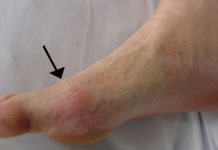


Varicose veins, also known as vein dilation, are a condition characterized by enlarged, twisted, and bulging veins. Although varicose veins can develop in different parts of the body, they most commonly appear on the lower limbs due to the significant pressure placed on the veins of the legs. This pressure often interferes with smooth blood circulation and leads to vein enlargement.
For some people, varicose veins are simply a cosmetic issue, causing embarrassment or discomfort about their appearance. For others, however, they present serious medical challenges such as pain, heaviness in the legs, and fatigue. In certain cases, varicose veins can progress to more serious complications, such as thrombophlebitis, which is the inflammation of veins accompanied by the development of blood clots.
Types of Thrombophlebitis
Doctors typically classify thrombophlebitis into two main forms:
- Superficial thrombophlebitis – Inflammation and clot formation in veins located just under the surface of the skin.
- Deep vein thrombophlebitis (DVT) – A more dangerous condition involving blood clots in deeper veins, which can lead to life-threatening complications if a clot travels to the lungs (pulmonary embolism).
Causes of Varicose Veins and Related Conditions
Several risk factors and underlying health conditions contribute to varicose veins and thrombophlebitis:
- Chronic venous insufficiency (weakened vein walls or valves)
- High blood circulation pressure in the lower limbs
- Oncological (cancer-related) diseases
- Infectious diseases
- Chronic inflammation of internal organs
- Hormonal imbalances
- Allergic reactions
Symptoms to Watch For
The most common symptoms include:
- Aching or throbbing pain in the calf muscles
- Swelling in the legs or ankles
- Tenderness to touch in affected veins
- Blue or purplish discoloration of the skin
- Bulging and visible veins on the surface of the legs
- Pain in the lumbar or lower back region
- Fever that may rise up to 39°C (102°F) in cases of thrombophlebitis
- Localized swelling, warmth, and redness at the site of a clot
If left untreated, these symptoms can worsen and may result in further complications, which is why timely treatment is essential.
Folk Remedies for Varicose Veins
Folk medicine has long provided natural and effective remedies for managing varicose veins. Here are some of the most widely used methods:
1. Horse Chestnut Oil Remedy
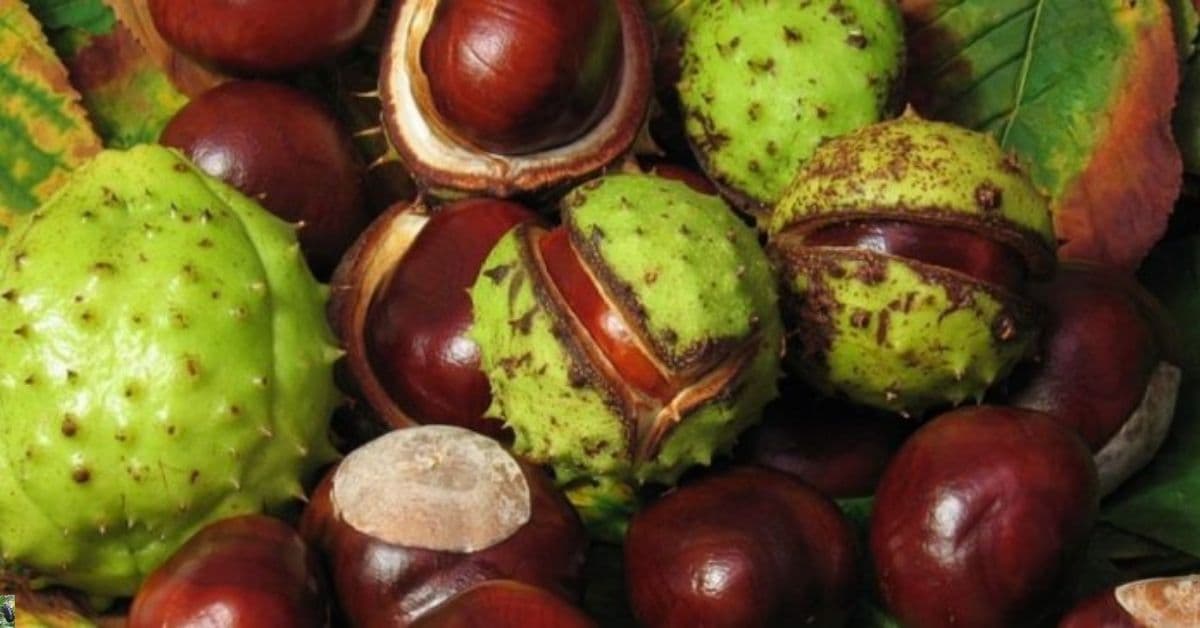
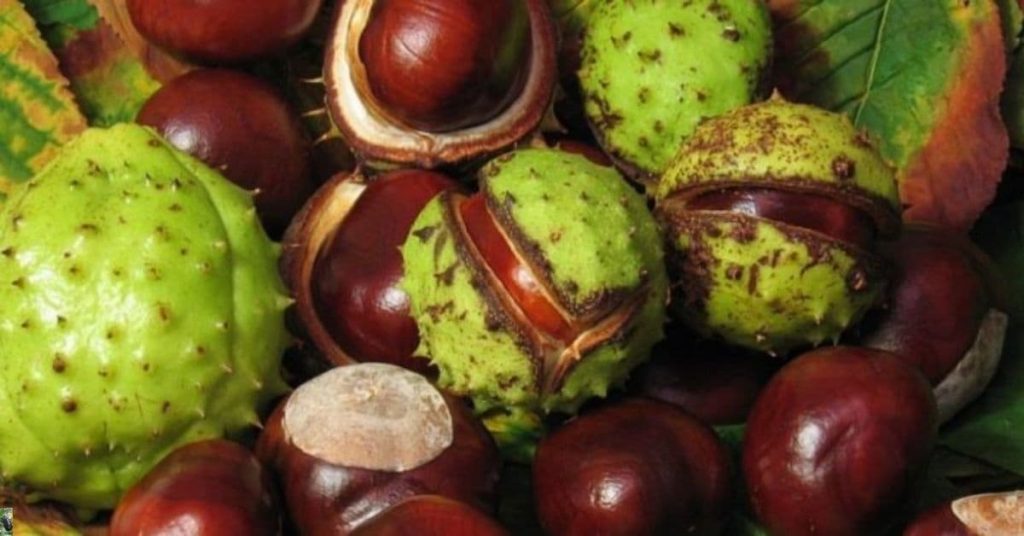
Horse chestnut is one of the most famous natural treatments for vein health. It contains active compounds that strengthen vein walls, improve circulation, and reduce swelling.
Preparation:
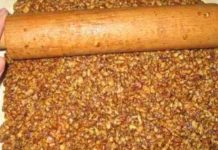
- Grind 2 horse chestnuts using a meat grinder.
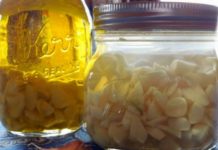
- Place them in a one-liter jar and cover with vegetable oil.
- Let the mixture sit for 14 days.
- After two weeks, heat it in a water bath for 3 hours, cool it, and strain.
How to Use:
- Externally: Dilute 40 g of horse chestnut oil in 2 liters of warm water for foot baths. Alternatively, mix 30 g of oil in 1 liter of warm water, soak a gauze bandage in the mixture, wrap it around the legs for 1 hour, and keep the area warm.
- Internally: Take 10 drops diluted in half a glass of warm water, three times daily, one hour before meals.
This dual method not only soothes painful symptoms but also strengthens the blood vessels from the inside.
2. Horse Chestnut Tincture (Alcohol-Based)
Another effective preparation involves alcohol infusion.
Preparation:
- Crush 5–6 horse chestnuts.
- Place them in a thermos and cover with one bottle of vodka or strong alcohol.
- Let it infuse for 10–12 days.
How to Use:
Take 30 drops of the tincture three times a day before meals, followed by a sip of sweetened water to reduce bitterness. This remedy helps stimulate circulation, reduce clot risk, and strengthen vein walls.
3. Berula (Herb Bath)
Berula is a traditional herb used in folk medicine for reducing leg swelling and fatigue.
Preparation:
- Place 200 g of dried berula herb into a bucket.
- Pour boiling water over it and wrap the bucket tightly.
- Let it infuse for 1 hour.
How to Use:
Soak your feet in the infusion for about 30 minutes, adding more hot water as needed to maintain warmth. Regular use improves circulation and reduces leg heaviness.
4. Wormwood and Yogurt Compress
Wormwood (absinthe) has strong anti-inflammatory properties. Combined with yogurt, it becomes a soothing topical treatment.
Preparation and Use:
- Crush one handful of fresh wormwood leaves.
- Mix with yogurt until you form a thick paste.
- Spread the mixture on gauze or a cloth and apply to the areas with varicose veins.
- Place your legs on a pillow to elevate them and cover with a blanket.
- After 30 minutes, remove the compress.
This treatment helps reduce swelling, alleviate pain, and calm inflamed veins.
Lifestyle Tips to Support Healing
While folk remedies can significantly help, they work best when combined with healthy lifestyle changes:
- Stay Active – Regular walking, swimming, and light exercises improve circulation.
- Elevate Your Legs – Resting with legs elevated helps blood flow back toward the heart.
- Wear Compression Stockings – They prevent blood pooling in the veins.
- Maintain a Healthy Weight – Reducing excess body weight decreases pressure on leg veins.
- Eat a Balanced Diet – Include foods rich in fiber, antioxidants, and omega-3 fatty acids.
- Avoid Prolonged Sitting or Standing – Take breaks to move and stretch your legs.
Final Thoughts
Varicose veins are more than just a cosmetic issue—they can lead to pain, swelling, and serious complications like thrombophlebitis if ignored. While medical treatments and surgeries exist, many people find relief through folk remedies that have stood the test of time.
Horse chestnut oil and tinctures, berula foot baths, and wormwood compresses are simple yet effective ways to naturally manage the discomfort and support vein health. When combined with lifestyle changes such as regular activity, leg elevation, and proper diet, these remedies can make a significant difference.
Remember: consistency is key. Natural remedies take time but can bring lasting relief without side effects. Always consult a healthcare provider if your symptoms worsen or if you suspect deep vein thrombosis.
Vau.ge – Your Daily Guide for Practical Advice!
Vau.ge is a place where caring for your health, beauty, and daily routines becomes a natural, accessible, and enjoyable experience. Our main goal is to provide you with reliable information about natural remedies, homemade recipes, and practical tips that help you live a healthier life, look better, and simplify your everyday tasks without unnecessary expenses.
Our tips are easy to incorporate into your everyday life — whether it’s skincare, haircare, health-boosting remedies, or small tricks to save time. This knowledge will not only improve your own life but also allow you to share the experience with others, giving more people the chance to live a balanced life naturally and economically.
Please note: The articles on our website are for informational purposes only and do not replace professional medical advice. If you have serious health concerns, please consult a qualified specialist.