












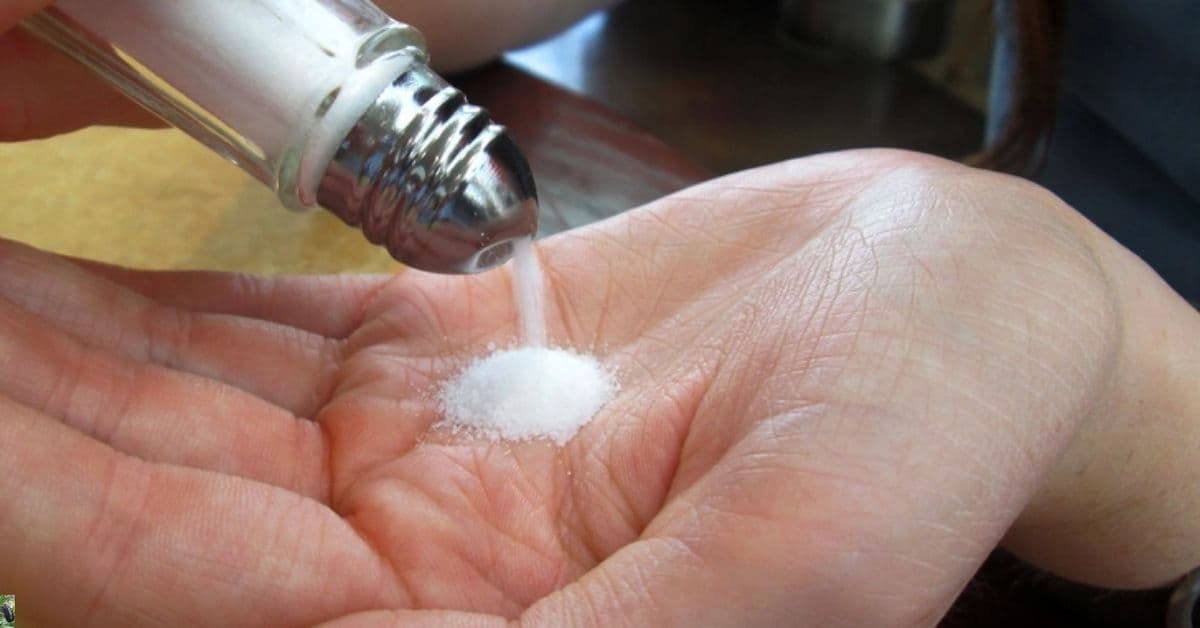
Salt has always been a staple in my kitchen. Like many people, I thought of it as nothing more than a way to enhance flavor. A pinch here, a sprinkle there, and suddenly food tasted better, richer, more satisfying. But what I didn’t know—and what so many people still don’t realize—is how harmful too much salt can be to our health. For years, I ignored the warnings, brushing off articles and doctor’s advice, thinking, “It’s just salt, how bad could it really be?”
It wasn’t until I began experiencing bloating, constant fatigue, and irregular blood pressure that I truly understood what salt was doing to my body. When I finally reduced my intake, the changes were nothing short of life-changing.
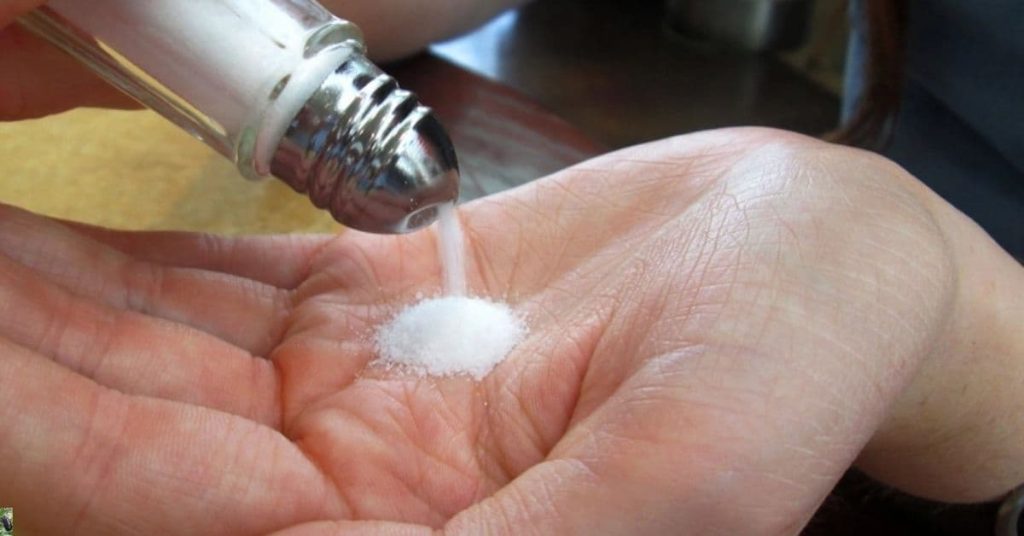
Here’s what I discovered about salt, why moderation is crucial, and how simple changes can protect your health before it’s too late.
Salt: The Double-Edged Sword
Salt is not entirely the villain. In fact, it’s our main source of iodine, a mineral essential for thyroid function. Without iodine, the body risks developing goiter—a serious enlargement of the thyroid gland. This means that eliminating salt completely isn’t the solution. The problem begins when consumption goes beyond what the body needs.
Most modern diets are overflowing with sodium. Processed foods, snacks, restaurant meals—all are loaded with hidden salt. Before you know it, your daily intake doubles or even triples the recommended limit. And that’s when the silent damage begins.
The Bloating and Fluid Retention Problem
One of the first things I noticed was constant bloating. My stomach always felt heavy, my rings became tighter, and even my shoes sometimes felt snug. This wasn’t just “gaining weight”—it was my body holding onto excess water.
Too much salt increases sodium levels in the body, forcing it to retain water. This water retention not only causes visible bloating but also stresses the heart and kidneys. Cutting back on salt quickly reduced this uncomfortable swelling, making me feel lighter and more energetic.
High Blood Pressure: The Hidden Danger
Perhaps the most alarming effect of excessive salt is its impact on blood pressure. The more salt you consume, the more sodium circulates in your bloodstream, pulling water into your vessels. The result? Increased blood volume, which pushes harder against the artery walls—leading to hypertension.
I had always assumed high blood pressure was something that happened “later in life.” But research shows it can develop much earlier, especially for people with a high-salt diet. Reducing my salt intake by even 4 to 6 grams per day brought my blood pressure back to safer levels within weeks. That small change could potentially prevent strokes, heart attacks, and countless other complications.
Salt and Heart Disease
The heart pays a heavy price for salt abuse. Excess sodium stiffens blood vessels and forces the heart to work harder than it should. Over time, this constant strain increases the risk of cardiovascular diseases—heart failure, strokes, and even sudden cardiac events.
For smokers, diabetics, the elderly, and people already struggling with high blood pressure, too much salt doubles the risks. It’s like adding fuel to a fire. Once I became aware of this, I could no longer ignore the connection. Every extra sprinkle of salt suddenly felt like a gamble with my heart.
Salt and Cognitive Decline
What surprised me most was the effect of salt on the brain. High blood pressure caused by salt doesn’t just harm the heart—it affects the brain’s blood vessels too. People who consume large amounts of salt and live sedentary lifestyles are at greater risk of cognitive decline.
The thought of losing mental sharpness was enough to make me reconsider every salty snack I craved. Experts agree: reducing salt while maintaining regular exercise can preserve not just physical but also mental health.
Kidneys Under Pressure
The kidneys act as the body’s natural filter, removing toxins and balancing fluids. But when salt intake is too high, the kidneys are forced to work overtime. High blood pressure from excess sodium damages delicate arteries, impairing kidney function and, in severe cases, leading to kidney failure.
I didn’t realize how directly salt was linked to kidney health until I reduced my intake. Almost immediately, I noticed less fatigue, better hydration, and improved overall energy levels.
Stroke Risk: The Final Wake-Up Call
Perhaps the most frightening effect of salt is its connection to strokes. Excess sodium thickens and hardens arteries, raising blood pressure and significantly increasing the chance of stroke. For me, the idea that something as simple as table salt could double my stroke risk was the final wake-up call.
The Skin Factor
Salt doesn’t just affect internal organs—it shows up on the outside too. Swollen ankles, puffy hands, even subtle changes in skin texture are all signs of fluid imbalance caused by excess sodium. These outward symptoms were the first red flags I ignored, but they turned out to be warnings of deeper issues.
Breaking the Habit
The problem with salt is that the more you eat, the more you crave. Your taste buds adjust, and suddenly “normal” food feels bland without it. I faced this struggle myself. The solution wasn’t to cut salt completely, but to retrain my taste buds.
I began experimenting with herbs and spices—paprika, garlic powder, black pepper, and fresh herbs. Slowly, my meals became flavorful without being overloaded with sodium. Within weeks, I no longer craved as much salt, and my body thanked me with better energy, lighter digestion, and clearer skin.
Final Thoughts: Take Control Before It’s Too Late
Salt isn’t just about flavor. It’s a silent factor that can determine whether you live a long, healthy life—or face serious health challenges sooner than expected. From bloating to heart disease, from kidney failure to strokes, the dangers of excessive salt are real and often underestimated.
The good news? You don’t have to give it up entirely. By simply monitoring your intake, replacing some salt with natural spices, and being mindful of processed foods, you can protect your body and your future.
I learned the hard way that salt was more than a seasoning—it was a health risk hiding in plain sight. Don’t wait for symptoms to force you into change. Start today. Your heart, brain, kidneys, and even your skin will thank you.
Vau.ge – Your Daily Guide for Practical Advice!
Vau.ge is a place where caring for your health, beauty, and daily routines becomes a natural, accessible, and enjoyable experience. Our main goal is to provide you with reliable information about natural remedies, homemade recipes, and practical tips that help you live a healthier life, look better, and simplify your everyday tasks without unnecessary expenses.
Our tips are easy to incorporate into your everyday life — whether it’s skincare, haircare, health-boosting remedies, or small tricks to save time. This knowledge will not only improve your own life but also allow you to share the experience with others, giving more people the chance to live a balanced life naturally and economically.
Please note: The articles on our website are for informational purposes only and do not replace professional medical advice. If you have serious health concerns, please consult a qualified specialist.