










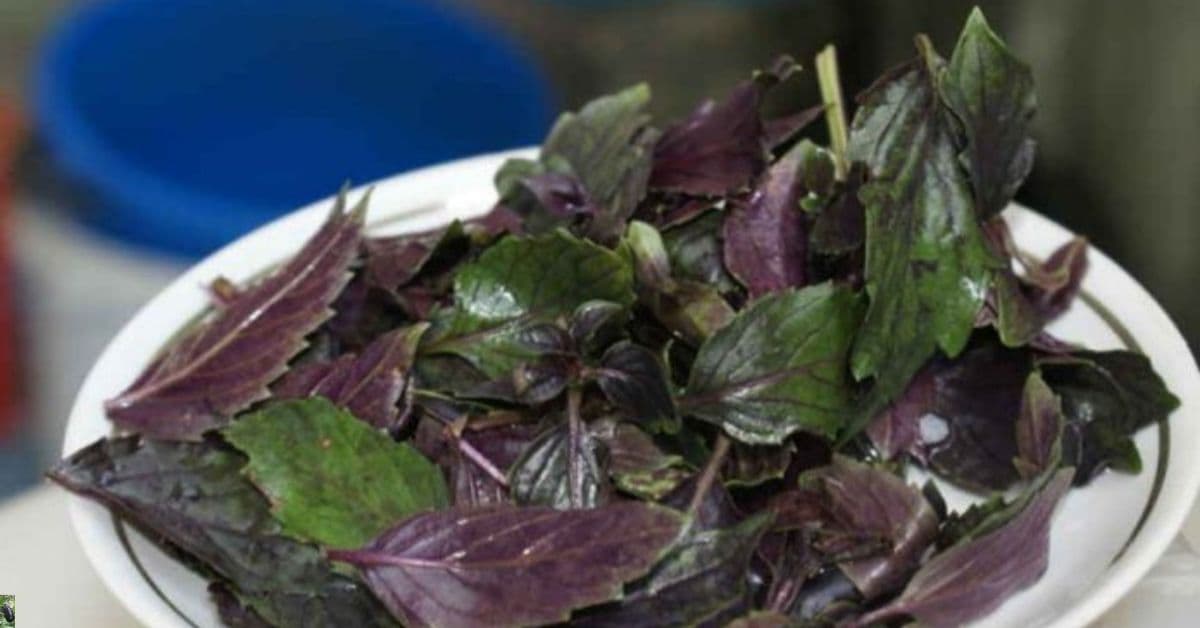
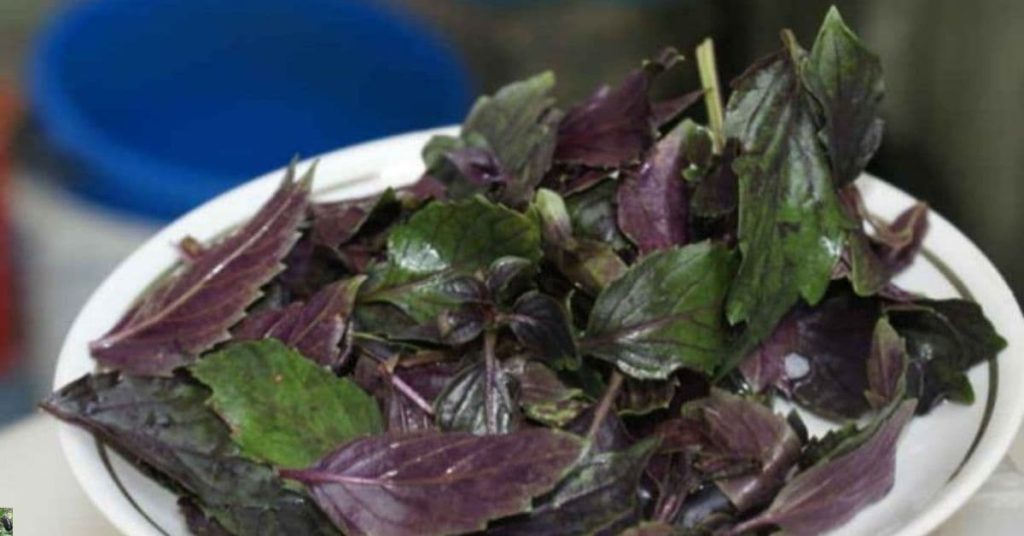
Basil, with its vibrant green oval-shaped leaves and unique aroma, is far more than just a kitchen spice. Across cultures and centuries, this remarkable herb has been celebrated not only for its culinary uses but also for its powerful healing properties. Known as a natural antibiotic, basil has earned a reputation as one of the most beneficial plants for human health.
In fact, many holistic practitioners and scientists alike agree that basil’s nutrient-rich profile and antioxidant content make it a true “gift from nature.” Let’s explore why basil is often described as a natural remedy for the body, how it protects the heart, strengthens immunity, and even enhances everyday meals.
The Antioxidant Powerhouse
One of basil’s most remarkable qualities is its high antioxidant content. Among these antioxidants is beta-carotene, which the body converts into vitamin A. This essential nutrient plays a crucial role in maintaining vision, skin health, and immune strength.
More importantly, beta-carotene prevents the oxidation of cholesterol. Why does that matter? Because oxidized cholesterol tends to stick to the walls of arteries, forming plaques that can eventually block blood flow and lead to heart disease. By preventing this oxidation, basil helps safeguard both the heart and the entire cardiovascular system.
But basil’s protective power does not stop there. Its antioxidants also help combat free radicals — unstable molecules that cause cellular damage and contribute to aging, arthritis, asthma, and even cancer.
Basil as a Natural Antibiotic
Scientific studies have confirmed what ancient traditions already knew: basil strengthens the immune system and fights infections.
Basil contains antiseptic, antibacterial, and anti-inflammatory properties. This makes it highly effective in treating bacterial infections, supporting wound healing, and reducing inflammation in the body. Unlike synthetic antibiotics, which often disrupt gut flora, basil works in harmony with the body’s natural systems, supporting healing without harsh side effects.
For centuries, basil tea and basil extracts have been used to soothe sore throats, treat respiratory infections, and even protect against stomach bacteria that cause ulcers. Modern research continues to validate these age-old uses.
Protection for the Heart and Blood Vessels
Basil is especially valuable for cardiovascular health. The herb is rich in vitamin B6 and magnesium, two nutrients that play a critical role in heart function.
- Magnesium promotes blood vessel relaxation, improves circulation, and reduces the risk of heart attack. It also helps muscles — including the heart — contract and relax properly.
- Vitamin B6 helps prevent the buildup of harmful compounds such as homocysteine, which can damage blood vessels and increase the risk of cardiovascular disease.
Together, these nutrients reduce the risk of arrhythmias (irregular heartbeats), lower high blood pressure, and keep the circulatory system running smoothly. Simply put, incorporating basil into your diet is a natural way to protect your heart.
Basil in Everyday Cooking
Beyond its medicinal qualities, basil is an essential ingredient in kitchens around the world. From Italian pasta sauces to Thai curries, basil enhances the flavor of countless dishes.
A key tip: basil should always be added toward the end of cooking. This preserves its fresh, aromatic flavor, which can otherwise be lost when exposed to prolonged heat. For a stronger, fresher taste, always use fresh basil leaves rather than dried ones.
You can chop fresh basil and sprinkle it over salads, pasta, soups, or even sandwiches. It pairs beautifully with tomatoes, garlic, olive oil, and cheese. Many chefs call basil “the finishing touch” that transforms an ordinary dish into something extraordinary.
Basil Tea: A Simple Healing Drink
One of the easiest ways to enjoy basil’s health benefits is to prepare it as a tea.
Recipe for Basil Tea:
- Take a few fresh basil leaves and rinse them well.
- Place them in a cup and pour hot water over the leaves.
- Cover the cup and let it steep for 8–10 minutes.
- Strain the leaves, and enjoy your fragrant, soothing drink.
Basil tea not only tastes wonderful but also helps reduce stress, improve digestion, and support immune defense. Many people use it as a gentle natural remedy for colds, coughs, or simply as a calming evening beverage.
Additional Health Benefits of Basil
While basil is most often celebrated for its antibiotic and cardiovascular benefits, its impact on overall health goes much further:
- Supports Joint Health – Basil’s anti-inflammatory compounds help reduce symptoms of arthritis, osteoarthritis, and other inflammatory conditions.
- Boosts Immunity – Regular consumption strengthens the immune system, making it easier for the body to fight off infections and viruses.
- Improves Digestion – Basil stimulates digestive enzymes and can r
- educe bloating, gas, and stomach cramps.
- Regulates Blood Sugar – Studies suggest that basil may help lower blood sugar levels, making it valuable for those at risk of diabetes.
- Reduces Stress and Anxiety – The scent of basil and its compounds have calming effects, supporting relaxation and mental well-being.
- Promotes Healthy Skin – Its antibacterial properties make basil useful for fighting acne, soothing skin irritations, and supporting a youthful complexion.
- Fights Respiratory Conditions – Basil tea and essential oils help clear congestion and ease symptoms of asthma, bronchitis, and colds.
A Gift of Nature
It is no wonder that basil has been called a plant “sent by God.” Its combination of flavor, fragrance, and healing power makes it unique among herbs. Whether used in cooking, brewed as tea, or applied in natural remedies, basil continues to prove its value for both prevention and treatment of many conditions.
From strengthening the heart and immune system to fighting infections and even calming the mind, basil truly deserves its place as a natural antibiotic and universal healer.
Final Thoughts
If you have not yet included basil in your daily life, now is the time to start. Keep a small basil plant in your kitchen, sprinkle fresh leaves into your meals, or sip on a warm cup of basil tea before bed. You’ll not only enhance your food but also give your body powerful protection against illness and stress.
Natural remedies like basil remind us that healing doesn’t always come from a pharmacy. Sometimes, it comes directly from the garden.
Basil: a simple leaf, yet a powerful medicine.
Vau.ge – Your Daily Guide for Practical Advice!
Vau.ge is a place where caring for your health, beauty, and daily routines becomes a natural, accessible, and enjoyable experience. Our main goal is to provide you with reliable information about natural remedies, homemade recipes, and practical tips that help you live a healthier life, look better, and simplify your everyday tasks without unnecessary expenses.
Our tips are easy to incorporate into your everyday life — whether it’s skincare, haircare, health-boosting remedies, or small tricks to save time. This knowledge will not only improve your own life but also allow you to share the experience with others, giving more people the chance to live a balanced life naturally and economically.
Please note: The articles on our website are for informational purposes only and do not replace professional medical advice. If you have serious health concerns, please consult a qualified specialist.