







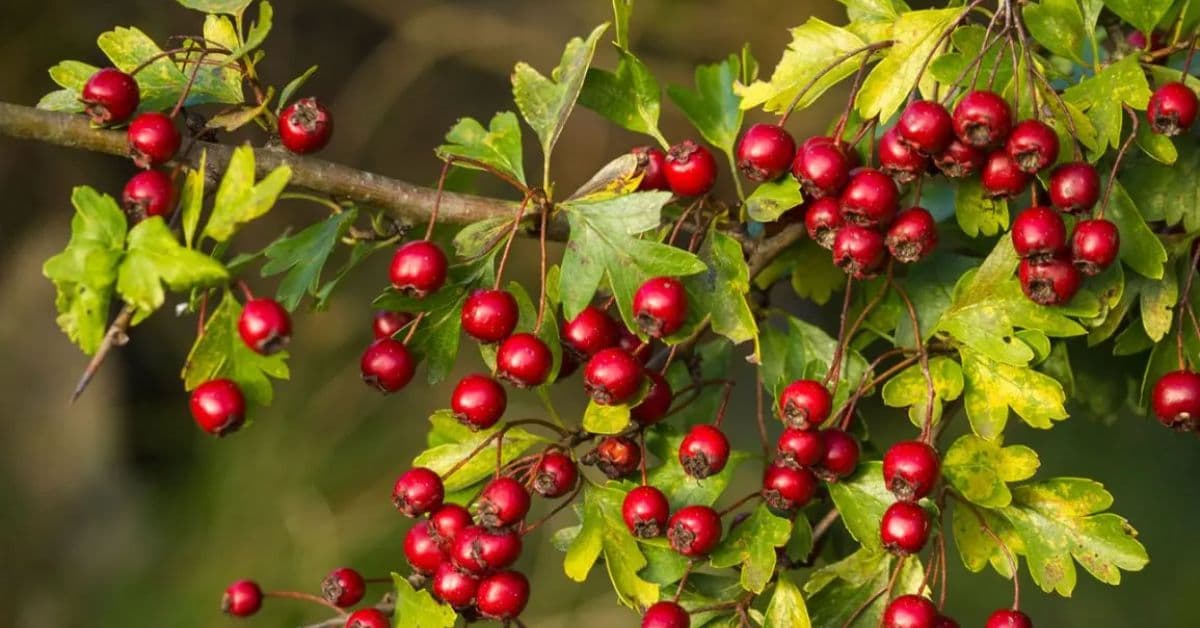
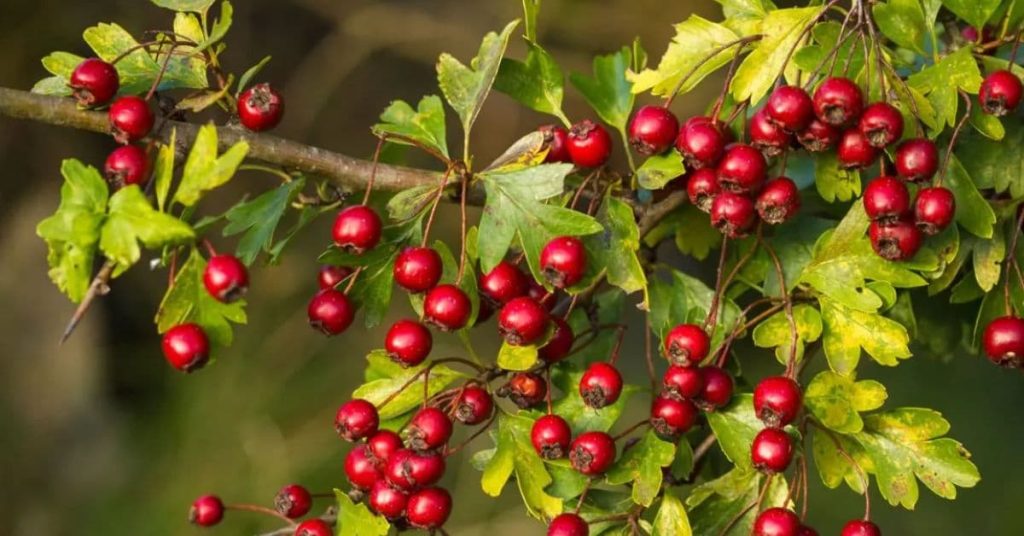
Hawthorn is a tall shrub with bright red, fleshy berries that belongs to the rose family. Its botanical name, Crataegus, comes from the Greek word meaning “strong” or “powerful.” For centuries, hawthorn has not only been valued for its medicinal qualities but also for its mystical associations. In many European traditions, its thorny branches were hung above doorways to protect the household from evil spirits.
Today, hawthorn is widely used in both folk and modern medicine. From its red berries, people prepare compotes, jams, and a variety of healing remedies with a pleasantly tart taste. Ancient Greeks even used dried hawthorn fruits to make bread dough, producing a type of nourishing bread. But the most well-known preparation remains hawthorn tincture—a potent extract that can be found in nearly every pharmacy and that you can also prepare at home.
Indications for Use
Hawthorn tincture is best known for its beneficial effects on the nervous system and the cardiovascular system. Medical experts recommend it in the following cases:
- Heart failure
- Ischemia (restricted blood supply to the heart)
- Tachycardia (rapid heartbeat)
- Angina pectoris
- Atherosclerosis
It is also highly effective in reducing fatigue, combating vegetative-vascular dystonia (VVD), alleviating sleep disorders, and easing symptoms of cardioneurosis.
The Key Benefits:
- Lowers cholesterol – helping prevent buildup on arterial walls.
- Soothes the nervous system – reducing agitation during nervous disorders.
- Slows rapid heartbeat – calming episodes of tachycardia.
- Improves circulation – promoting better blood flow and easing vessel tension.
Hawthorn tincture is sometimes recommended to students or professionals before exams or stressful events to reduce mental and nervous strain. In the early stages of hypertension, hawthorn tincture can even serve as a primary therapy. At more advanced stages, it is typically used as a supportive treatment.
For severe insomnia linked to psychiatric disorders, hawthorn tincture can relieve symptoms, though it cannot address the root cause. Because of its ability to improve blood circulation, it is also widely recommended to elderly individuals at risk of developing atherosclerosis.
How to Prepare Hawthorn Tincture
Though tinctures are readily available in pharmacies at an affordable price, many people find comfort and confidence in preparing their own remedy at home. Here are several proven recipes:
1. Classic Alcohol-Based Hawthorn Tincture
Ingredients:
- 0.25 liters of medical alcohol (70%)
- 40 grams of dried hawthorn berries
Method:
- Crush the dried berries using a knife or blender.
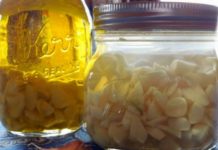
- Place the pulp in a dark glass jar.
- Add the alcohol and seal tightly.
- Leave the jar in a dark place for 20–25 days, shaking it gently every few days.
- After infusion, strain the mixture through gauze or a clean cloth.
Dosage: Take 20–25 drops, diluted in water, 3–4 times daily before meals.
2. Fresh Berry Tincture
If fresh berries are available, wash them thoroughly, then crush with a fork or pestle.
Proportions:
- ½ cup chopped fresh hawthorn berries
- ½ cup alcohol (70%)
Let the mixture steep for 10–14 days, strain, and take the same dosage as with the dried-berry tincture.
3. Water-Based Hawthorn Infusion
This is a gentler alternative, especially for those who cannot take alcohol.
Ingredients:
- 1 tablespoon of fresh hawthorn berries (flowers may also be used)
- 500 ml of boiling water
Method:
- Place the berries in a container.
- Pour boiling water over them.
- Let steep for at least 2 hours.
- Strain and drink like tea.
4. Hawthorn Flower Tincture
Ingredients:
- 50 grams of hawthorn flowers
- 250 ml of alcohol (70%)
Steep for 10 days, then strain. Take 30 drops before each meal to help treat rheumatism or arrhythmia.
5. Combination Infusion with Rose Hips
Ingredients:
- 25 grams dried hawthorn berries
- 25 grams dried rose hips
- 1 liter boiling water
Add the mixture to a thermos, pour in boiling water, and let steep for at least 24 hours. Strain carefully, pressing the pulp to extract every drop of juice. Drink after meals as a tea substitute. This blend is particularly recommended for joint health and general immunity support.
6. Complex Multi-Herb Remedy
For nervous tension or heart problems, traditional medicine also suggests mixing tinctures of hawthorn, valerian, motherwort, and peony in equal proportions.
- For mild nervous agitation: 10 drops, three times daily.
- For heart conditions: 20–25 drops, twice daily.
- For high blood pressure with headaches: 30 drops before meals.
Treatment should last no more than one month, followed by a mandatory break.
Contraindications and Precautions
While hawthorn tincture is a valuable natural remedy, it is not suitable for everyone. Important considerations include:
- Consultation: Always consult a doctor before starting treatment, especially for heart-related conditions.
- Pregnancy & breastfeeding: Alcohol-based tinctures are not recommended.
- Children: Not suitable for those under 12 years old.
- Hypotension (low blood pressure): Since hawthorn lowers blood pressure, it may worsen this condition.
- Bradycardia (slow heart rate): The tincture slows heart rate further and can be dangerous.
- Stroke recovery: Contraindicated in people who have recently suffered a stroke.
- Overdose risks: Excessive intake can lead to hypotension, bradycardia, dizziness, and allergic reactions.
To test for allergies, dilute a single drop of tincture in water and drink it. If itching, burning, hives, or unusual symptoms appear within one hour, discontinue use.
Final Thoughts
Hawthorn tincture is one of the most respected remedies in both folk and official medicine. It calms the nerves, strengthens the heart, lowers cholesterol, and promotes healthy blood circulation. Whether prepared from dried berries, fresh fruits, flowers, or combined with other herbs, hawthorn remains a versatile ally in supporting cardiovascular health.
However, like any powerful natural remedy, it must be used wisely and with respect. By following proper preparation methods, observing correct dosages, and paying attention to contraindications, hawthorn tincture can serve as a safe, effective tool for supporting overall health and vitality.
Vau.ge – Your Daily Guide for Practical Advice!
Vau.ge is a place where caring for your health, beauty, and daily routines becomes a natural, accessible, and enjoyable experience. Our main goal is to provide you with reliable information about natural remedies, homemade recipes, and practical tips that help you live a healthier life, look better, and simplify your everyday tasks without unnecessary expenses.
Our tips are easy to incorporate into your everyday life — whether it’s skincare, haircare, health-boosting remedies, or small tricks to save time. This knowledge will not only improve your own life but also allow you to share the experience with others, giving more people the chance to live a balanced life naturally and economically.
Please note: The articles on our website are for informational purposes only and do not replace professional medical advice. If you have serious health concerns, please consult a qualified specialist.