




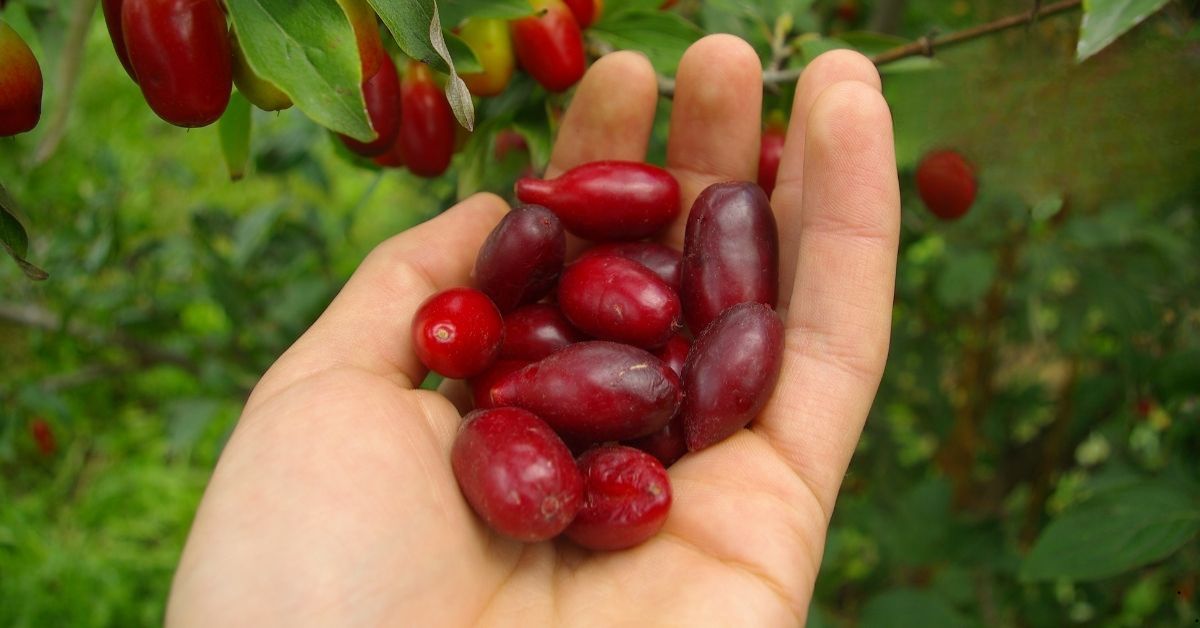
The Shindi tree is not used in scientific medicine; however, the fruits, leaves, bark, and roots of this shrub have long been popular in folk medicine in many countries. They are also used in cases of metabolic disorders, rheumatism, goiter, inflammatory bowel diseases, and stomach bleeding caused by peptic ulcer.
Shindi is consumed fresh and dried; compotes, beverages, preserves, jams, and other sweets are also made from them.
Shindi must be included in the diet for bleeding gums, chronic gastroenterocolitis, general weakness, and pregnancy toxicosis.
For gynecological patients in the postoperative period, Shindi fruit should be given to improve appetite.
For those with the flu virus, decoctions of Shindi will help reduce fever.
Many herbalists recommend consuming it with the pit, as it contains the highest amount of tannin. Do not worry – your intestines will pass it without difficulty.
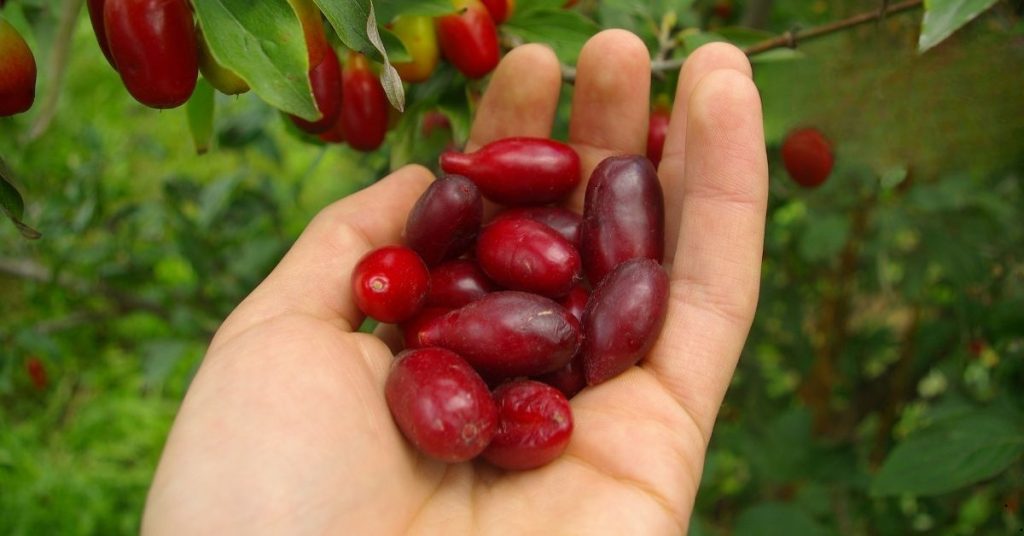
If this method of consuming Shindi does not suit your taste, try making a fruit drink from it:
Take 0.5 kg of ripe Shindi, 2 liters of water, honey or sugar to taste.
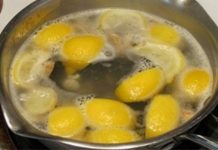
Boil the Shindi together with the pits for at least two hours over low heat.
Thoroughly strain the berries using a sieve or cheesecloth.
Mix the obtained pulp with the decoction, add honey or sugar.
Drink one glass three times a day.
- Hemorrhoids.
During the berry ripening period, for five days, it is necessary to eat two glasses of Shindi with the pits — this is one of the oldest and most effective treatments for hemorrhoids.
- Rheumatoid arthritis.
Place 1 teaspoon of Shindi root into 1 glass of water, boil, let it sit for 2 hours. Take 2 tablespoons for rheumatism and rheumatoid arthritis.
- Conjunctivitis.
Squeeze juice from Shindi leaves and instill 2–3 drops from a pipette for all eye diseases, including conjunctivitis, even if it is allergic.
- Noise in the ears, headache.
Pour 0.5 liters of water over 100 grams of the plant’s fruit, boil for 30 minutes, after cooling strain, dissolve in the decoction 2 tablespoons of sugar or 1 tablespoon of honey and drink 1/3 glass three times a day until health improves. For recovery, you can also eat Shindi jam daily — 1 teaspoon per 10 kg of your weight.
- To eliminate swelling of the legs and varicose veins.
It is recommended to eat 7 berries every morning on an empty stomach, chewing each one and swallowing together with the pit. It is desirable to drink cool water afterward. Continue for 7 days. Take a one-week break, then repeat the treatment course.
Contraindications:
Shindi should not be used in cases of stomach ulcer with high acidity. The fruit is contraindicated for prostate adenoma, prostatitis, and kidney disease. Decoction of the fruit and seeds has an astringent effect, which should be considered in cases of constipation with colitis.
The Cornelian cherry (Cornus mas) is a small deciduous tree or large shrub in the dogwood family (Cornaceae), native to southern Europe and western Asia. It’s not a true cherry but produces bright red, oblong fruits that resemble cherries in shape and size. The fruit has a tart, slightly sweet flavor and is rich in vitamin C, antioxidants, and tannins, making it highly valued in both culinary and medicinal traditions.
Shindi are typically eaten fresh, dried, or processed into jams, compotes, syrups, liqueurs, and herbal remedies. In traditional medicine—especially in Eastern Europe, the Caucasus, and parts of Asia—the fruit, leaves, bark, and even roots are used to treat various ailments, including digestive disorders, fever, joint pain, and bleeding gums. The high tannin content gives the fruit mild astringent properties, which can help with diarrhea and inflammation.
The plant is hardy, tolerant of cold climates, and can live for decades, producing fruit annually once mature. In addition to their health benefits, Shindi are appreciated for their ornamental value, with small yellow flowers that bloom in early spring before the leaves appear.
If you want, I can also prepare a detailed health benefits and uses guide for Shindi in both culinary and medicinal contexts.
Vau.ge – Your Daily Guide for Practical Advice!
Vau.ge is a place where caring for your health, beauty, and daily routines becomes a natural, accessible, and enjoyable experience. Our main goal is to provide you with reliable information about natural remedies, homemade recipes, and practical tips that help you live a healthier life, look better, and simplify your everyday tasks without unnecessary expenses.
Our tips are easy to incorporate into your everyday life — whether it’s skincare, haircare, health-boosting remedies, or small tricks to save time. This knowledge will not only improve your own life but also allow you to share the experience with others, giving more people the chance to live a balanced life naturally and economically.
Please note: The articles on our website are for informational purposes only and do not replace professional medical advice. If you have serious health concerns, please consult a qualified specialist.