











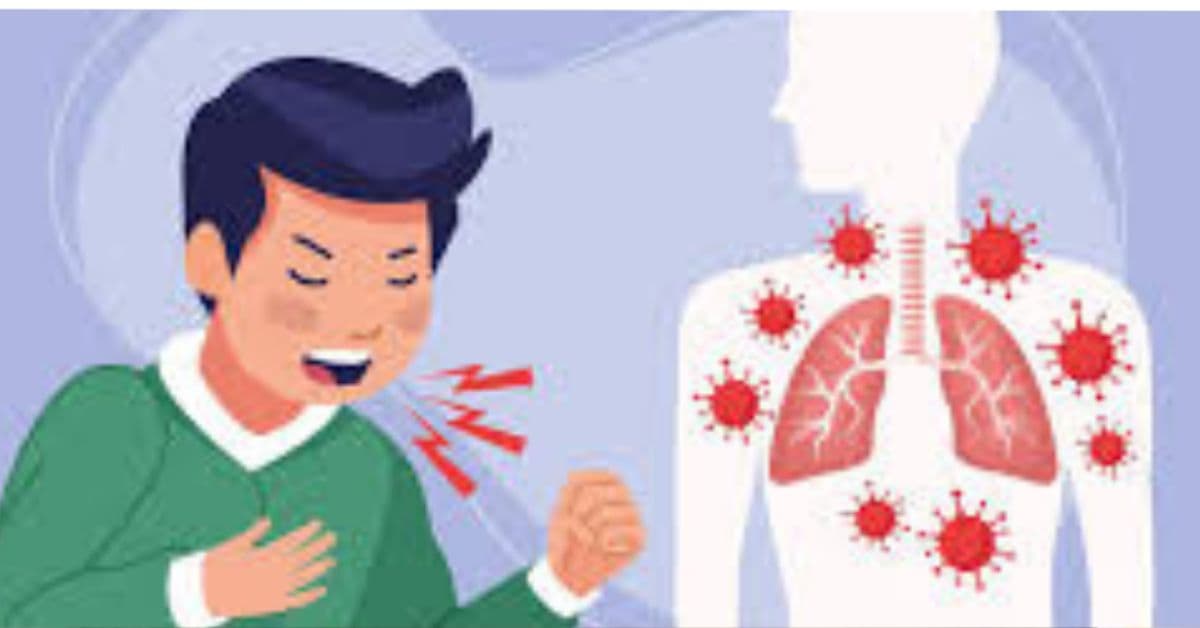
Bronchial asthma is a serious chronic disease of the lungs, characterized by recurring episodes of shortness of breath, accompanied by pronounced wheezing, whistling sounds during exhalation, coughing, and emphysema (abnormal enlargement of the lung volume). While modern medicine offers various treatment methods to control asthma, many patients continue to experience discomfort and limitations in their daily lives. This has led some people to explore additional, non-pharmacological methods that may help improve breathing and overall lung function.
Understanding the Stages of Bronchial Asthma
Doctors distinguish between three main clinical stages of bronchial asthma:
- Asthmatic syndrome
- Asthma attack (mild, moderate, or severe)
- Status asthmaticus (a severe, prolonged attack that requires urgent medical attention)
Asthmatic syndrome is most often observed in cases of chronic asthmatic bronchitis. It is characterized by a feeling of shortness of breath (a sense of insufficient air), increased respiratory rate, and a prolonged exhalation phase. These symptoms usually do not last long and can often be relieved with bronchodilator medications. Coughing during this stage is typically dry and exhausting, either without mucus or with only a small amount of phlegm.
The appearance of asthmatic syndrome often signals an exacerbation of an ongoing chronic process in the lungs.
Asthma attacks usually develop suddenly, most often at night. Sometimes, there are warning signs before the attack: dryness and tickling in the throat, coughing, a runny nose, and skin itching. The duration of an attack can range from just a few minutes (in mild cases) to several days (in severe cases).
The first clinical sign of a developing asthma attack is often a dry, persistent cough. Many patients adopt a forced position — sitting or standing with their hands braced on the edge of a table or bed — a posture known as orthopnea. The shortness of breath is usually expiratory in nature, meaning that exhalation is more difficult than inhalation. Normally, exhalation is shorter than inhalation, but in asthma, it becomes up to twice as long, making breathing laborious.
A Personal Story of Relief Through Breathing Exercises
For many years, I personally struggled with asthma. Despite trying various treatments, nothing seemed to provide long-term relief. During one particularly severe attack, I was hospitalized. There, I met a woman who had also suffered from asthma but had managed to significantly improve her condition through a specific set of breathing exercises. Her story inspired me.
The very next day, I decided to try her method. To my surprise, I began to notice gradual improvement. However, the first noticeable results came only after nearly six months of consistent practice. This was not a quick fix — it required patience and discipline — but it turned out to be one of the most effective things I had ever tried.
Step-by-Step Breathing Method
Week 1 – The Beginning Stage
- Sit comfortably in a chair. Relax your body and focus your mind on thoughts of healing and cleansing your body. Spend 5 minutes creating this positive mental state.
- Then, for the next 10 minutes, perform the breathing exercise:
- Inhale slowly and deeply through your nose for 8 seconds, expanding your abdomen as you breathe in.
- Hold your breath for 8 seconds.
- Exhale slowly through your nose for 8 seconds.
This cycle will result in about 25 complete breaths in 10 minutes.
The first week can be the most challenging — you might feel discomfort or lightheadedness. However, it is important not to stop. After a few sessions, these sensations usually disappear, and you may begin to feel a boost in energy.
Week 2 – Increasing the Duration
- Continue with 5 minutes of relaxation, followed by 10 minutes of breathing practice.
- Extend each phase — inhalation, breath-holding, and exhalation — to 10 seconds each.
- Begin alternating nostrils: inhale and exhale through one nostril while gently pressing the other closed with your finger, then switch. This variation helps to improve airflow and balance oxygen intake.
Week 3 – Building Lung Capacity
- Keep the same routine of relaxation followed by exercise.
- Now, increase the inhalation and exhalation phases to 15 seconds each, while keeping the breath-holding phase at 10 seconds.
- Continue alternating nostrils for optimal effect.
Week 4 and Beyond – The Advanced Stage
- Inhale for 20 seconds, hold your breath for 10 seconds, and exhale for 20 seconds.
- Maintain this rhythm in your daily practice going forward.
- This prolonged, controlled breathing strengthens the respiratory muscles, increases lung capacity, and can help calm the nervous system.
Why This Method Works
Asthma is often worsened by airway inflammation, bronchial spasms, and an overreaction of the respiratory system to triggers. This breathing technique works by:
- Improving oxygen exchange: Slow, deep breathing helps the lungs fill more efficiently and promotes better oxygen delivery to the body.
- Relaxing the bronchial muscles: Controlled exhalation can reduce airway tension, easing breathing.
- Enhancing lung elasticity: Gradually increasing the length of inhalation and exhalation trains the lungs to work more efficiently.
- Calming the nervous system: The rhythmic breathing pattern activates the parasympathetic nervous system, reducing stress, which is a known trigger for asthma attacks.
Important Notes and Precautions
While this method has helped many people improve their breathing and reduce asthma symptoms, it should never replace prescribed medical treatments. Always consult with your doctor before starting any new exercise or breathing program. If you feel dizzy, short of breath, or unwell while practicing, stop immediately and rest.
It is also essential to perform these exercises in a comfortable environment — away from dust, strong odors, or allergens that could trigger an asthma attack. Practicing in a calm, quiet space will allow you to focus and maximize the benefits.
Final Thoughts
Living with bronchial asthma can be challenging, but it is possible to take steps toward better control and improved quality of life. This breathing method, when practiced consistently, can help strengthen your respiratory system, improve lung function, and reduce the frequency and severity of asthma symptoms.
Many people who have tried it report feeling more in control of their breathing, experiencing fewer attacks, and enjoying a greater sense of well-being. While it is not a cure, it can be a valuable tool in your overall asthma management plan.
Patience is key — results may not appear immediately, but with dedication, progress is possible. Just as it took me nearly six months to see significant improvement, you too may find that persistence pays off.
Breathe deeply, stay consistent, and give your lungs the care they deserve.
Vau.ge – Your Daily Guide for Practical Advice!
Vau.ge is a place where caring for your health, beauty, and daily routines becomes a natural, accessible, and enjoyable experience. Our main goal is to provide you with reliable information about natural remedies, homemade recipes, and practical tips that help you live a healthier life, look better, and simplify your everyday tasks without unnecessary expenses.
Our tips are easy to incorporate into your everyday life — whether it’s skincare, haircare, health-boosting remedies, or small tricks to save time. This knowledge will not only improve your own life but also allow you to share the experience with others, giving more people the chance to live a balanced life naturally and economically.
Please note: The articles on our website are for informational purposes only and do not replace professional medical advice. If you have serious health concerns, please consult a qualified specialist.