














Almost every grandmother’s greatest wish is to see her grandchild well-fed and healthy. Many mothers also feel a deep sense of pride and satisfaction when their child finishes a “good, full meal.” The intention, of course, is loving and positive—parents and grandparents want to make sure the child is strong, happy, and growing well. But sometimes, these good intentions can lead to habits that are not as healthy as they seem. Over time, these habits may cause children to develop a tendency toward overeating, weight gain, and other health problems.
If your child is healthy, active, and gaining weight at a normal rate, it’s worth taking a closer look at how you feed them. You may be making some common mistakes without even realizing it. In this article, we will talk about four major feeding mistakes that many parents make, explain how they can affect your child’s health, and offer simple, practical tips for fixing them.
How Should You Feed Your Child?
Once a child reaches about one year of age, their priorities start to change. Eating is no longer the most important thing in their world. Instead, they become eager to explore, play, and discover everything around them. At this stage, their main goal is curiosity and learning, not simply satisfying hunger.
This is also the age when many children start becoming picky eaters. They may refuse foods they once ate happily, demand certain favorite meals over and over, or reject food altogether when they are busy with something more exciting.
In response, many parents and grandparents start using different tricks to get the child to eat:
- Offering snacks like peanuts or cookies “just to get something in their stomach”
- Reading stories during mealtime to keep them entertained
- Using toys, puppet shows, or cartoon videos as a distraction
- Pretending to “feed” imaginary animals or characters along with the child
- Running around the house with a spoonful of food, trying to get a bite in
While these methods may work temporarily, they disrupt the child’s natural eating habits. A child who is constantly distracted during meals is not learning how to eat mindfully. They don’t fully taste or enjoy the food, and they may have trouble recognizing when they are full or still hungry. This can interfere with digestion, nutrient absorption, and overall health.
In the long term, a child who is used to eating only while distracted may develop digestive problems such as poor appetite, bloating, or irregular bowel movements.
For proper digestion, appetite is essential. The body should be ready and asking for food. If your child is healthy, active, and playful but does not want to eat, it usually means they are simply not hungry yet. Forcing them to eat at that moment may do more harm than good.
When their body truly needs food, they will give you clear signs—asking for something to eat, coming to the table on their own, or showing interest in food. However, if your child refuses to eat and also appears weak, tired, or unwell, that’s a different matter and should be checked by a doctor.
Finishing Every Last Bite
One of the most common mistakes parents make is insisting that their child must finish all the food on their plate. Many parents determine the portion size based on advice from other parents, recommendations from older relatives, or their own assumptions about how much a child “should” eat.
However, forcing a child to eat beyond their appetite can damage their relationship with food. It can make eating feel like a chore instead of a pleasant experience. Over time, this may cause the child to ignore their body’s natural hunger and fullness cues, leading to habitual overeating.
A child who eats beyond their hunger may start to eat for comfort or pleasure rather than out of necessity. This can set the stage for unhealthy eating habits and weight problems in the future.
If your child often leaves food on their plate, try offering smaller portions. This way, they can finish what is served without feeling pressured. If they are still hungry afterward, they can always have more. Once you find the right balance between portion size and their appetite, you can gradually adjust as needed.
Too Much Variety or Catering to Demands
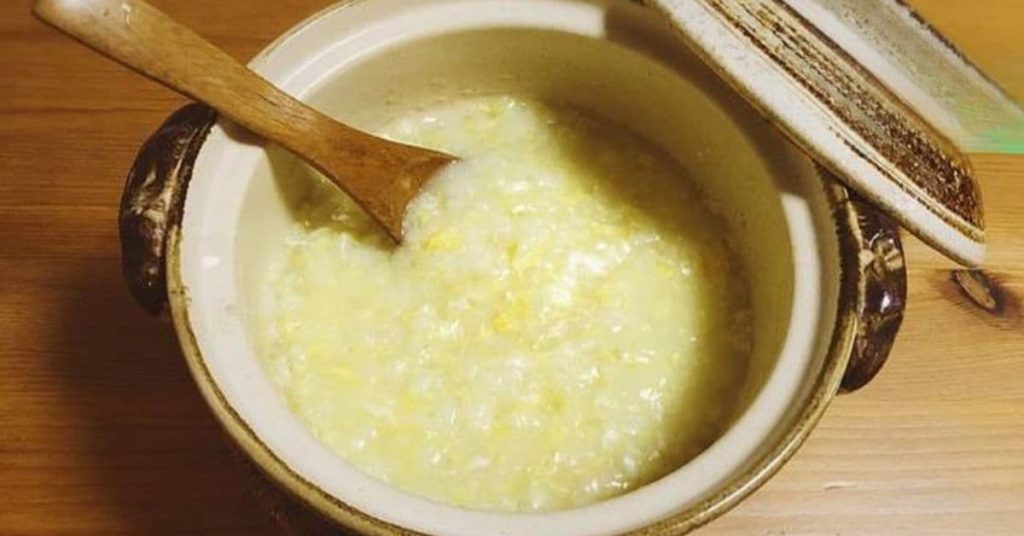
Another mistake parents make is offering too much variety at once or giving in to the child’s repeated requests for the same food. For example, a child may refuse porridge but happily eat pasta, and soon they want pasta every single day.
While giving them what they want may avoid mealtime battles, it also encourages picky eating and limits nutritional diversity. If a child learns that refusing certain foods will result in getting their favorite dish, they are more likely to keep refusing new or less-preferred foods.
Instead, if your child refuses the food that’s been prepared, don’t immediately offer an alternative. It’s better to wait until they are truly hungry. Hunger is the best motivation for trying different foods. By gently holding your ground, you teach them that mealtime is not a restaurant menu where they can order whatever they feel like every day.
Establishing Healthy Eating Habits
Feeding a child is about much more than just getting calories into them. It’s about teaching lifelong eating habits. Here are a few principles to keep in mind:
- Respect hunger and fullness cues – Trust your child to know when they’re hungry and when they’re full.
- Avoid distractions during meals – No toys, TV, or running around. Mealtime should be calm and focused.
- Serve reasonable portions – Start small and let them ask for more if they need it.
- Encourage variety without pressure – Offer different foods regularly, but don’t force them to eat something they truly dislike.
- Model healthy eating – Children often copy their parents’ behavior. If they see you eating vegetables happily, they are more likely to try them.
The Bottom Line
Healthy eating habits are built in early childhood. Pressuring a child to eat, distracting them with games or media, or catering too much to their preferences may feel helpful in the moment but can create long-term challenges.
Instead, focus on creating a positive, relaxed, and structured eating environment. Allow your child to feel their hunger, enjoy their food, and stop eating when they are satisfied. Over time, they will develop a healthy relationship with food—one that will serve them for the rest of their life.
Remember: feeding your child well is not about how much they eat, but about how they learn to eat.
Vau.ge – Your Daily Guide for Practical Advice!
Vau.ge is a place where caring for your health, beauty, and daily routines becomes a natural, accessible, and enjoyable experience. Our main goal is to provide you with reliable information about natural remedies, homemade recipes, and practical tips that help you live a healthier life, look better, and simplify your everyday tasks without unnecessary expenses.
Our tips are easy to incorporate into your everyday life — whether it’s skincare, haircare, health-boosting remedies, or small tricks to save time. This knowledge will not only improve your own life but also allow you to share the experience with others, giving more people the chance to live a balanced life naturally and economically.
Please note: The articles on our website are for informational purposes only and do not replace professional medical advice. If you have serious health concerns, please consult a qualified specialist.