









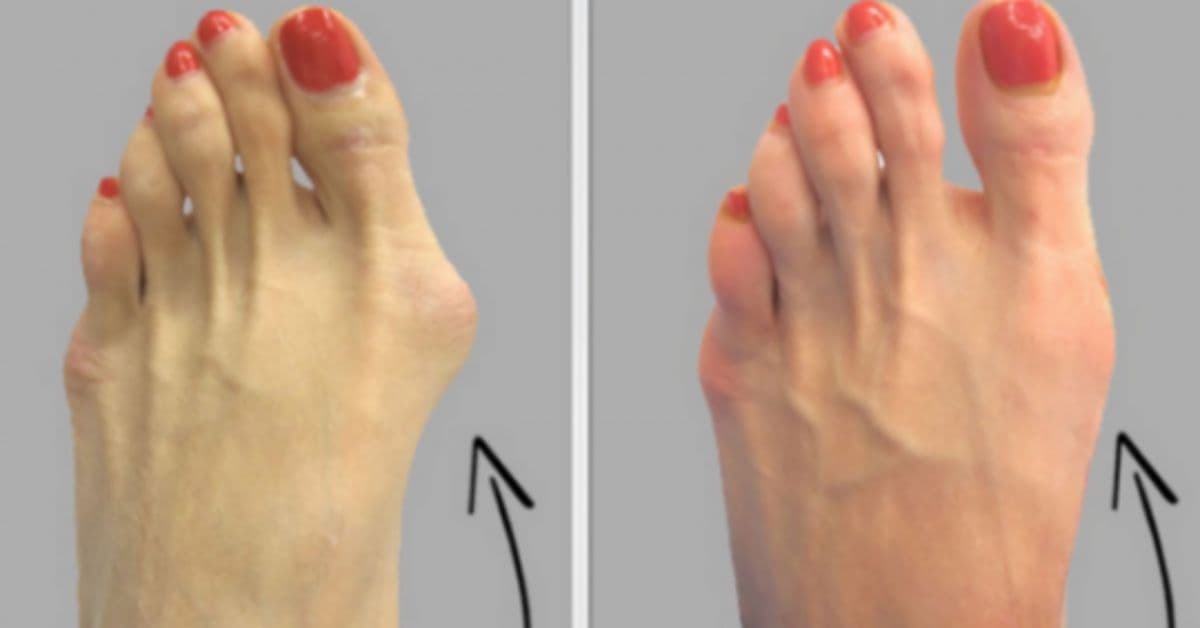
Gout, known in some parts of the world as “podagra,” is more common than many people realize. Most people have only heard about it in the context of a swollen, painful big toe joint — and indeed, that is often the first and most obvious sign. But in reality, gout can affect other joints as well and, if left untreated, it can cause more serious problems involving not only the joints but also internal organs — especially the kidneys.
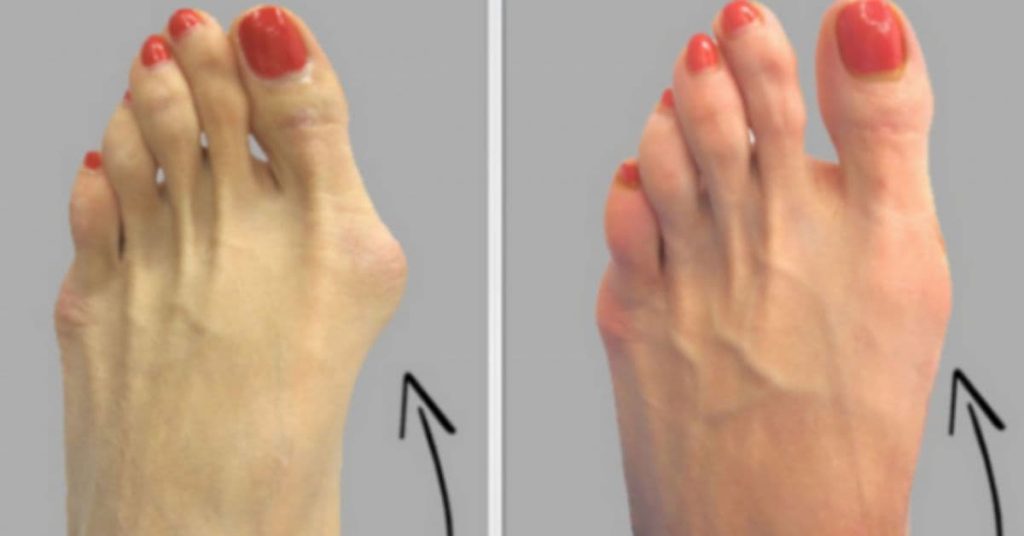
The word “podagra” comes from ancient Greek and literally means “foot trap,” a reference to the sudden, immobilizing pain it can cause. Gout is not just a local joint issue; it’s a systemic condition that develops due to a combination of genetic predisposition and lifestyle factors, particularly those affecting purine metabolism in the body.
When purine metabolism is disrupted, the level of uric acid in the blood rises — a condition known as hyperuricemia. Uric acid crystals (urate crystals) can then accumulate in joints, triggering inflammation, swelling, redness, and intense pain. Over time, these deposits can damage the joints permanently and harm the kidneys and cardiovascular system.
Why Gout Happens
Two main forces tend to combine:
- Genetics – Some people inherit enzyme abnormalities that cause the body to produce more purines than usual.
- Diet and Lifestyle – Eating purine-rich foods (like red meat, organ meats, certain fish), consuming excessive fats and refined carbohydrates, and drinking alcohol — especially beer — all increase the risk.
The kidneys are responsible for filtering uric acid from the blood. In gout, this filtration is often impaired, so uric acid levels remain high. Over time, these excess uric acid molecules start forming needle-like crystals in joints, leading to excruciating flare-ups.
How It Feels
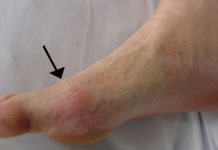
A gout attack can come on suddenly, often at night. One moment you feel fine, and the next your big toe or ankle feels like it’s on fire. The joint becomes red, hot, and so sensitive that even the touch of a bedsheet can cause unbearable pain. While the big toe is the most common site, gout can also strike the knees, elbows, wrists, and fingers.
Why Folk Remedies Still Matter
Modern medicine offers effective treatments for gout, but many people — especially in rural communities — still rely on time-tested home remedies passed down through generations. These remedies are not a replacement for medical advice, but they can provide relief, reduce inflammation, and support overall wellness. Often, they are made from plants and ingredients available in the kitchen or garden, making them both accessible and affordable.
Below are several traditional recipes that have been cherished for decades in many households.
1. Cranberry Infusion
Ingredients:
- 20 grams dried cranberries
- 1 cup boiling water
Preparation & Use:
Place the cranberries in a cup, pour over the boiling water, and let steep until the liquid turns a rich, ruby red. Drink 1 tablespoon 3–4 times a day. Cranberries are rich in antioxidants and can help support kidney function, which is essential for flushing out uric acid from the body.
2. Herbal Joint-Soothing Tea
Ingredients:
- 20 g St. John’s wort
- 20 g chamomile flowers
- 20 g linden blossoms
- 20 g calendula flowers
Preparation & Use:
Mix the herbs together and place them in a porcelain teapot or heatproof container. Pour 1 liter of boiling water over the mixture, cover tightly, and place in a hot water bath for 15 minutes. Let cool to room temperature, strain, and press the remaining herbs to extract all the liquid. Add enough boiled water to bring the total volume back to 1 liter. Store in the refrigerator for up to 3 days. Drink ½ cup 4 times daily, 30 minutes before meals. This blend is soothing, anti-inflammatory, and promotes gentle detoxification.
3. Blessed Thistle Infusion
Ingredients:
- 3 teaspoons dried blessed thistle (Mary thistle);
- 2 cups boiling water
Preparation & Use:
Steep the herb in boiling water for 2 hours in a covered container, then strain. Drink ½ cup 4 times daily before meals. Blessed thistle has been used in folk medicine for centuries to support liver health and metabolism — both important for managing gout.
4. Nettle Stimulation
During a gout flare-up, some traditional healers recommend gently stinging the affected joint with fresh nettle leaves. This may sound extreme, but the mild sting can increase local blood flow and promote healing. In the morning, the joint is often wiped with a small amount of kerosene (another old folk method) — though modern readers may prefer safer alternatives like herbal balms.
5. Garlic and Lemon Elixir
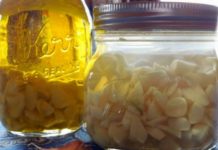
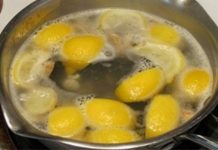
Every morning, drink a small amount of garlic and lemon infusion. Garlic helps reduce inflammation, while lemon provides vitamin C, which may help lower uric acid levels.
6. The Apple Habit
Alongside herbal remedies, eat fresh apples twice daily — ideally 40–60 minutes before meals or 2–3 hours after. Apples contain malic acid, which may help neutralize uric acid in the body.
Additional Tips from Tradition
- Stay hydrated: Drink plenty of water throughout the day to help your kidneys flush out excess uric acid.
- Avoid trigger foods: Reduce intake of organ meats, fatty meats, sardines, anchovies, and beer.
- Move gently: Light walking or stretching can improve circulation without putting too much strain on inflamed joints.
- Rest during flare-ups: Give your body time to recover, and elevate the affected joint when possible.
A Word of Caution
While these folk remedies can bring comfort and sometimes surprising results, persistent or severe gout requires medical attention. Untreated gout can lead to chronic joint damage and kidney problems. The best approach often combines the wisdom of traditional remedies with the effectiveness of modern medicine.
Final Thoughts
Gout can be a painful and stubborn condition, but as generations before us have shown, nature provides many gentle yet powerful allies. A warm cup of herbal tea, a handful of cranberries, the tang of lemon, the crisp bite of an apple — these simple gifts can make a real difference in how you feel.
Most importantly, these remedies connect us to a way of living that values patience, balance, and the quiet strength found in nature’s pharmacy. Even if they don’t replace prescribed treatments, they can offer soothing relief, a sense of empowerment, and a reminder that healing can sometimes be as close as your own kitchen.
Vau.ge – Your Daily Guide for Practical Advice!
Vau.ge is a place where caring for your health, beauty, and daily routines becomes a natural, accessible, and enjoyable experience. Our main goal is to provide you with reliable information about natural remedies, homemade recipes, and practical tips that help you live a healthier life, look better, and simplify your everyday tasks without unnecessary expenses.
Our tips are easy to incorporate into your everyday life — whether it’s skincare, haircare, health-boosting remedies, or small tricks to save time. This knowledge will not only improve your own life but also allow you to share the experience with others, giving more people the chance to live a balanced life naturally and economically.
Please note: The articles on our website are for informational purposes only and do not replace professional medical advice. If you have serious health concerns, please consult a qualified specialist.