













A heart attack rarely happens “out of the blue.” In most cases, your body tries to warn you days, weeks, or even months in advance. Unfortunately, many people overlook these warning signs, thinking they are caused by stress, fatigue, or aging. The reality is that recognizing these signals early can save your life.
Research shows that 95% of women who later experienced a heart attack had clear warning symptoms at least a week or a month before the event. Men also have warning signs, but they may differ slightly. This is why it’s so important to listen to your body and take even the smallest changes seriously.
Today, I’m going to share with you the 7 most common early signs of a heart attack — so that you can act quickly and protect yourself or your loved ones.
1. Loud Snoring or Breathing Interruptions While Sleeping
If you (or your partner) have noticed that you snore loudly, gasp for air, or even stop breathing for a few seconds during sleep, this could be more than just an annoying habit — it might be a warning sign for your heart.
When airflow is restricted during sleep, your blood doesn’t get enough oxygen, and your heart has to work harder. Studies show that people with sleep apnea are up to three times more likely to suffer a heart attack within five years compared to those without breathing problems.
2. Gum Problems — Swelling, Bleeding, or Inflammation
It might surprise you, but your dentist could be the first to spot a heart problem. If your gums are swollen, inflamed, or bleed easily, don’t ignore it.
Bacteria from gum disease (gingivitis) can travel into the bloodstream, leading to inflammation in blood vessels and increasing your risk of heart disease. Unfortunately, most people think gum pain will “just go away” — but sometimes it’s your heart sending a signal through your mouth.
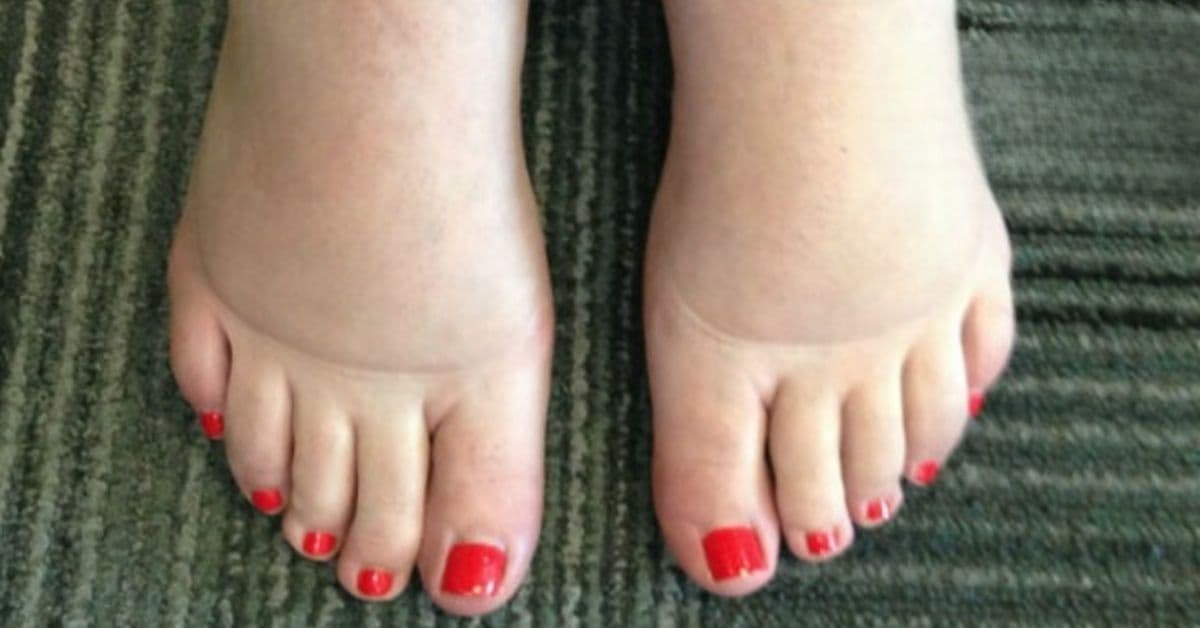
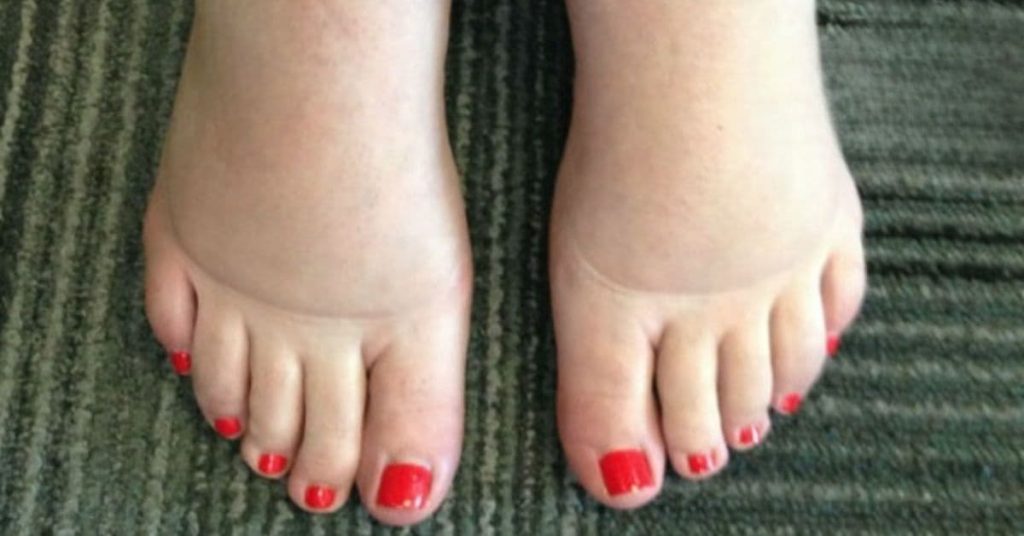
3. Swollen Ankles, Feet, or Hands
If your socks leave deep marks on your ankles, or if your shoes suddenly feel tighter, it might be more than just hot weather or too much salt.
Swelling in the feet and ankles can mean your body is retaining fluid because your heart isn’t pumping blood efficiently. When blood flow slows, fluid builds up in the tissues — most often in the legs, ankles, and sometimes even hands. This condition is known as edema, and while it can have many causes, it’s a classic early sign of heart problems.
4. Irregular Heartbeat (Arrhythmia)
If you ever feel your heart “flutter,” beat too fast, too slow, or skip a beat, you may be experiencing arrhythmia. While occasional palpitations can happen from caffeine or stress, frequent irregular heartbeats should never be ignored.
An arrhythmia means your heart’s electrical system isn’t working properly, which can lead to serious complications — including a heart attack.
5. Chest or Shoulder Pain (Angina)
One of the most recognized warning signs is angina — a pressure, tightness, or discomfort in the chest that may spread to your shoulders, arms, neck, jaw, or back.
This is not the same as the sharp, stabbing pain that happens during an actual heart attack. Angina is usually triggered by physical activity, stress, or even cold weather, and it happens because your heart muscle isn’t getting enough oxygen-rich blood.
Some people mistake it for indigestion or stomach pain, but if it keeps happening — seek medical help immediately.
6. Wheezing and Shortness of Breath
If climbing stairs leaves you gasping for air, or if you find it difficult to take a deep breath, this could be a sign that your heart isn’t delivering oxygen as efficiently as it should.
Wheezing is often linked to lung problems, but in many cases, it’s also an early warning sign of heart disease. Your heart and lungs work closely together — when one struggles, the other feels the pressure.
7. Erectile Dysfunction in Men
For men, difficulty achieving or maintaining an erection can be a signal of poor blood flow — and that includes the arteries that supply the heart.
When blood vessels narrow due to plaque buildup, circulation to the sexual organs decreases long before symptoms appear in other parts of the body. Doctors often say that erectile dysfunction can be an “early warning light” for future heart problems.
What You Can Do to Protect Your Heart
- Listen to Your Body — Even if a symptom seems minor, don’t ignore it.
- Visit Your Doctor Regularly — Prevention is always better than treatment.
- Quit Smoking — Tobacco damages blood vessels and greatly increases heart attack risk.
- Eat a Heart-Healthy Diet — More fruits, vegetables, whole grains, and healthy fats.
- Stay Active — Even 30 minutes of walking a day can strengthen your heart.
- Manage Stress — Chronic stress puts enormous strain on your heart.
Final Word
Your heart is your body’s engine — and just like any engine, it sends warning signals when something’s wrong. If you notice any of these 7 signs in yourself or a loved one, take them seriously.
Don’t wait until it’s too late — early detection can make the difference between life and death. Share this information with your friends and family — it could save someone’s life.
Vau.ge – Your Daily Guide for Practical Advice!
Vau.ge is a place where caring for your health, beauty, and daily routines becomes a natural, accessible, and enjoyable experience. Our main goal is to provide you with reliable information about natural remedies, homemade recipes, and practical tips that help you live a healthier life, look better, and simplify your everyday tasks without unnecessary expenses.
Our tips are easy to incorporate into your everyday life — whether it’s skincare, haircare, health-boosting remedies, or small tricks to save time. This knowledge will not only improve your own life but also allow you to share the experience with others, giving more people the chance to live a balanced life naturally and economically.
Please note: The articles on our website are for informational purposes only and do not replace professional medical advice. If you have serious health concerns, please consult a qualified specialist.