





Headaches are among the most common reasons people visit a doctor. Statistics show that around 70% of the population experiences either episodic or chronic headaches. In many cases, headache is the leading—or even the only—symptom of more than 40 different diseases. These range from neuroses, depression, hypertension, kidney and endocrine disorders, to various nervous system conditions.
While headaches have numerous possible causes, the two most common forms are tension-type headaches (about 70%) and migraines (around 25%).
Main Groups of Headache Causes
Modern medical classifications group the causes of headaches into four broad categories:
- Organic brain diseases and cerebrospinal fluid circulation disorders
- Head trauma – The pain may be localized or widespread and often responds poorly to treatment.
- Intracranial masses – Pain is usually worse in the morning, accompanied by nausea and vomiting.
- Inflammatory brain diseases – Such as meningitis and meningoencephalitis.
2. Vascular causes
- Migraines
- Vegetative-vascular dystonia
- Arterial hypertension
3. Psychogenic causes
- Tension headaches related to stress, anxiety, or mental fatigue.
4. Non-brain-related causes – The largest group, including:
- Cervical osteochondrosis
- Infectious diseases of various origins (about 40% of which can trigger acute headache episodes)
- Viral and bacterial infections that start with severe headache attacks
- Medication-induced headaches (notably from oral contraceptives, nitrates, and caffeine)
My Personal Story
After going through a period of extreme stress, I began suffering from unbearable headaches accompanied by constant head noise—a persistent buzzing sound that never seemed to stop. None of the medications I tried brought me relief.
One day, an acquaintance recommended I try horse chestnut tincture. I decided I had nothing to lose. I mixed 30 drops of horse chestnut tincture into one-third of a glass of sweetened water and drank it. Within just 30 minutes, I felt significantly better and soon fell into a peaceful sleep.
The next day, I repeated the treatment—and the headache disappeared entirely. Since then, horse chestnut tincture has become one of my go-to natural remedies for various ailments.
How to Make Horse Chestnut Tincture
Ingredients:
- 50 g horse chestnuts, chopped with the skin on
- 0.5 liters vodka or high-proof alcohol
Preparation:
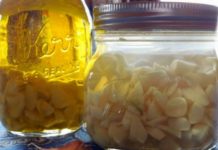
- Place the chopped horse chestnuts into a clean glass jar.
- Pour in the vodka, seal the jar, and store it in a dark place for two weeks.
- Shake occasionally during the infusion period.
How to Use:
- Add 30–40 drops of the tincture to sweetened water.
- Drink 15–20 minutes before meals, 2–3 times per day.
Health Benefits of Horse Chestnut Tincture
Regular use of horse chestnut tincture can help with:
- Headaches
- Hypertension (high blood pressure)
- Thrombophlebitis
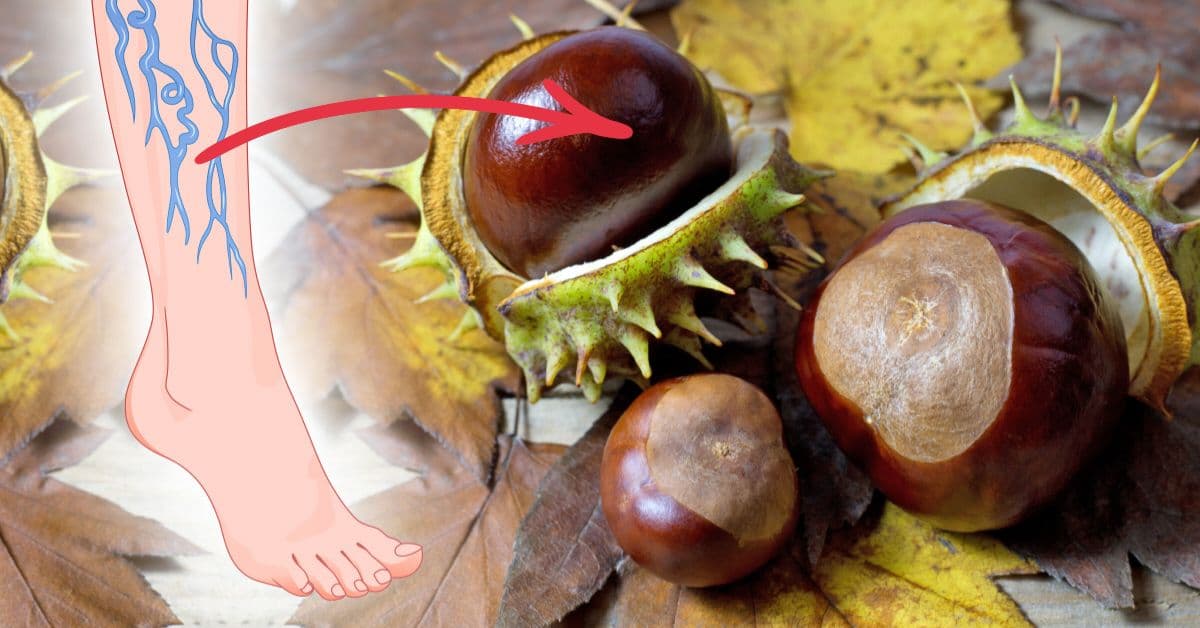
- Varicose veins
- Rheumatism
- Prostate adenoma
- Angina pectoris
Horse Chestnut Balm for External Use
To enhance the benefits of the tincture, I also prepare a horse chestnut balm for topical application.
Ingredients:
- 10 g horse chestnuts, chopped with the skin
- 1 cup vegetable oil (such as olive or sunflower oil)
Preparation:
- Place the chopped chestnuts in a heatproof container.
- Add the oil and heat the mixture over a water bath until it reaches a gentle boil.
- Let it cool, then pour into a dark glass bottle.
- Store in a cool, dark place.
How to Use:
- For varicose veins or thrombophlebitis, massage the balm into the affected area at night, then wrap with a wool cloth to keep warm.
- For headaches, gently rub the balm into your temples and forehead.
Why Horse Chestnut Works
Horse chestnut contains aescin and other bioactive compounds with:
- Anti-inflammatory properties – Reducing swelling and inflammation in blood vessels.
- Venotonic effects – Strengthening vein walls and improving circulation.
- Antithrombotic action – Helping prevent the formation of blood clots.
These properties explain why horse chestnut is often used in folk and modern herbal medicine for circulatory problems, varicose veins, and inflammation.
Safety Notes
While horse chestnut can be very effective, it should be used with care:
- Do not use raw horse chestnut seeds internally—they are toxic unless properly processed.
- People with bleeding disorders or those on anticoagulant medications should consult a doctor before use.
- Pregnant and breastfeeding women should seek medical advice before trying this remedy.
Conclusion: A Simple but Powerful Folk Remedy
For me, horse chestnut tincture has been nothing short of life-changing. It not only relieved my headaches when nothing else worked, but it has also helped me manage blood pressure and improve circulation. Combined with the balm for external use, it’s a versatile remedy for multiple conditions, especially those related to blood vessels and inflammation.
This is one of those traditional recipes worth preserving and sharing. Nature often provides the best medicine, and in this case, the humble horse chestnut proves just how true that can be.
Wishing you health and relief—naturally.
Disclaimer: This article is for informational purposes only and does not replace professional medical advice. Always consult a healthcare provider before starting any new treatment, especially if you have chronic health conditions or are taking prescription medications.
Vau.ge – Your Daily Guide for Practical Advice!
Vau.ge is a place where caring for your health, beauty, and daily routines becomes a natural, accessible, and enjoyable experience. Our main goal is to provide you with reliable information about natural remedies, homemade recipes, and practical tips that help you live a healthier life, look better, and simplify your everyday tasks without unnecessary expenses.
Our tips are easy to incorporate into your everyday life — whether it’s skincare, haircare, health-boosting remedies, or small tricks to save time. This knowledge will not only improve your own life but also allow you to share the experience with others, giving more people the chance to live a balanced life naturally and economically.
Please note: The articles on our website are for informational purposes only and do not replace professional medical advice. If you have serious health concerns, please consult a qualified specialist.