














In today’s world, diabetes is one of the fastest-growing and most common chronic diseases, affecting millions of people across the globe. While many people have heard of diabetes and associate it primarily with high blood sugar, few realize just how many subtle, early warning signs can indicate the onset of this condition. Recognizing these signs promptly can make all the difference in preventing serious complications and maintaining a healthy, active life.
Diabetes, especially type 2, is notorious for developing gradually. Its early symptoms can often be so mild or general that people tend to ignore them until the disease has progressed. However, the body almost always gives some sort of warning before more serious complications arise. Therefore, it is crucial to pay attention to even the smallest changes in your health. In this comprehensive article, we will explore five important warning signs of diabetes that you should never ignore. We will also discuss what actions you can take to protect yourself and your loved ones.
1. Unexplained Changes in Your Skin
Our skin is one of the first places where diabetes may make its presence known, yet many people overlook these signals. One of the more subtle early signs is the appearance of dark, velvety patches on the skin, particularly around the elbows, knees, knuckles, and the back of the neck. These patches, known medically as “acanthosis nigricans,” can be a direct result of insulin resistance—a key component of type 2 diabetes.
While sometimes attributed to genetics or hormonal imbalances, the presence of such dark spots should never be ignored. They are a visible sign that your body may be struggling to process insulin efficiently. If you or someone you know notices these changes, it’s a good idea to consult a healthcare provider and request a blood sugar test. Catching insulin resistance early allows for lifestyle changes that can often prevent the progression to full-blown diabetes.
Tip: Keep an eye out for any new discolorations or changes in skin texture. If these areas are also itchy or thicker than the surrounding skin, take extra care to monitor your blood sugar levels.
2. Frequent Snoring and Sleep Disturbances
Many people think of snoring as a harmless or merely annoying habit, but persistent snoring can be much more than just a nuisance. Studies have shown that people who regularly snore or suffer from sleep apnea—a condition where breathing repeatedly stops and starts during sleep—are at a much higher risk of developing type 2 diabetes. Interrupted sleep puts the body under stress, causing the release of hormones that increase blood sugar levels.
In fact, research indicates that nearly half of people with type 2 diabetes also struggle with sleep disorders. Furthermore, one particular study found that approximately 23% of people who frequently snored later developed diabetes. If you notice that you or your partner has persistent snoring, restless sleep, or excessive daytime fatigue, do not brush it off. Discuss these symptoms with a doctor and ask whether a sleep study or blood sugar screening is appropriate.
Tip: Good sleep hygiene, maintaining a healthy weight, and regular physical activity can greatly reduce both sleep problems and diabetes risk.
3. Gradual Hearing Loss
Hearing is another sense that can be affected by diabetes, yet many people are unaware of the connection. Diabetes can cause damage to the small blood vessels and nerves in the inner ear, leading to gradual, often unnoticed, hearing loss. This can happen over months or even years, so it is easy to attribute to normal aging or exposure to loud noises.
If you or someone close to you finds it increasingly difficult to follow conversations, particularly in noisy environments, or needs to turn up the TV volume more than before, consider scheduling a hearing test. If hearing loss is confirmed and there is no obvious cause, ask your healthcare provider about diabetes screening.
Tip: Protect your hearing by avoiding prolonged exposure to loud sounds, and monitor your blood sugar regularly if you are at risk.
4. Persistent Itching and Dry Skin
Many people with undiagnosed diabetes notice their skin becoming unusually dry, flaky, or itchy—especially on the hands, feet, or lower legs. High blood sugar levels can impair circulation and reduce the body’s ability to retain moisture, resulting in these uncomfortable symptoms. Persistent itching or dryness is not always caused by weather, allergies, or harsh soaps—it can also be an early indicator of diabetes.
People with diabetes are also more prone to skin infections, slow-healing wounds, and fungal problems. If you experience unexplained itching, frequent skin infections, or wounds that take longer than usual to heal, consult your healthcare provider promptly.
Tip: Keeping your skin moisturized and drinking plenty of water can help, but
always investigate persistent symptoms with your doctor.
5. Numbness, Tingling, or Weakness in the Hands and Feet
Another key sign of diabetes is peripheral neuropathy—nerve damage caused by prolonged high blood sugar levels. This often presents as numbness, tingling, burning sensations, or weakness in the hands and feet. These symptoms typically begin slowly and may come and go at first, making them easy to ignore. Over time, they can become more constant and severe, significantly impacting your quality of life.
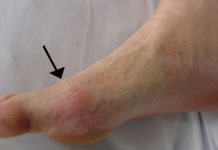
Peripheral neuropathy is not just uncomfortable—it can also be dangerous. People with diabetes may lose sensation in their feet and not notice injuries, leading to infections or even amputations in severe cases.
Tip: Check your feet daily for cuts, blisters, or sores, and see a healthcare professional if you experience persistent numbness, tingling, or pain.
What Should You Do If You Notice These Signs?
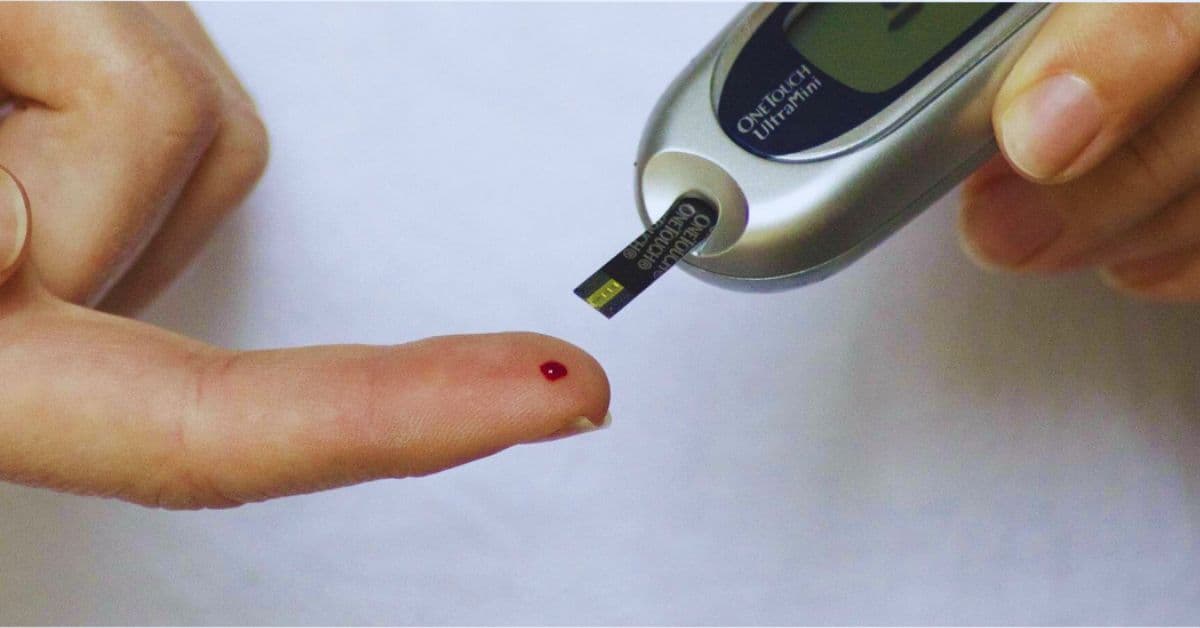
If you notice any of these warning signs—especially in combination—it is essential not to delay seeking medical advice. Early detection and intervention are key in preventing diabetes from progressing and causing serious health complications. Your doctor can recommend blood tests to measure your blood sugar and assess your risk.
Making lifestyle changes such as adopting a balanced diet, engaging in regular exercise, maintaining a healthy weight, managing stress, and getting adequate sleep can all help prevent or manage diabetes. If you are already diagnosed, following your treatment plan and keeping regular appointments is crucial.
Remember, diabetes is manageable and, in many cases, preventable. Don’t wait for serious complications to arise—listen to your body and take proactive steps to protect your health.
Share this important information with friends and family. Staying alert to these symptoms could save your life or the life of someone you love!
Vau.ge – Your Daily Guide for Practical Advice!
Vau.ge is a place where caring for your health, beauty, and daily routines becomes a natural, accessible, and enjoyable experience. Our main goal is to provide you with reliable information about natural remedies, homemade recipes, and practical tips that help you live a healthier life, look better, and simplify your everyday tasks without unnecessary expenses.
Our tips are easy to incorporate into your everyday life — whether it’s skincare, haircare, health-boosting remedies, or small tricks to save time. This knowledge will not only improve your own life but also allow you to share the experience with others, giving more people the chance to live a balanced life naturally and economically.
Please note: The articles on our website are for informational purposes only and do not replace professional medical advice. If you have serious health concerns, please consult a qualified specialist.