












Vision is one of the most essential senses for humans, enabling us to perceive, interpret, and interact with our environment. From early childhood to old age, our eyes undergo significant changes, both in structure and function. Understanding how vision evolves with age and what can be done to preserve or improve it is crucial for maintaining quality of life and independence.
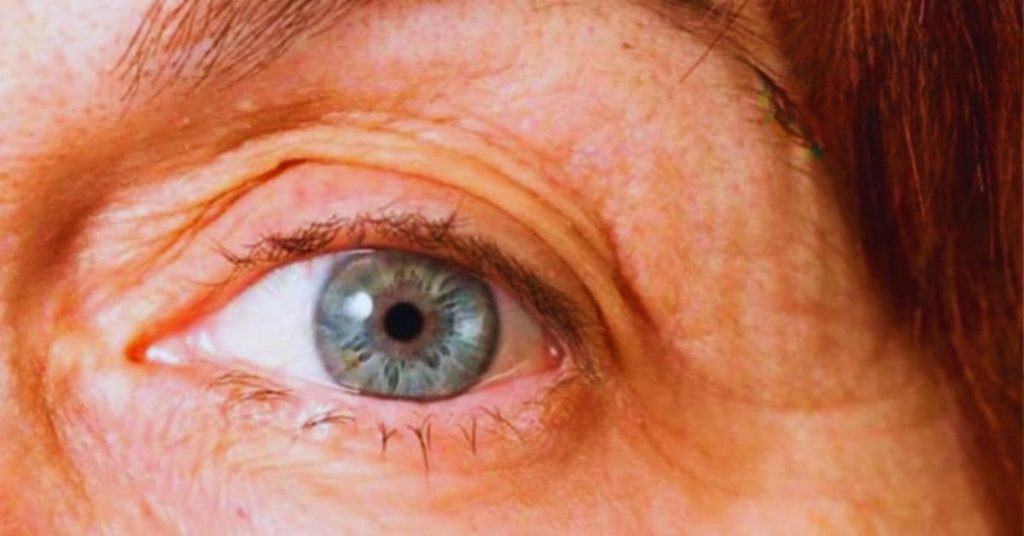
What Is Normal Vision and What Are the Main Visual Mechanisms?
Healthy vision depends on two fundamental processes: refraction and accommodation.
- Refraction refers to the eye’s ability to bend (or refract) light so that it focuses perfectly on the retina, the light-sensitive layer at the back of the eye. In an ideally functioning eye, the cornea and lens direct light so that it lands directly on the retina, creating a clear image. If the focal point falls in front of or behind the retina, conditions like myopia (nearsightedness), hyperopia (farsightedness), or astigmatism develop.
- Accommodation is the eye’s ability to adjust focus for seeing objects at various distances. The ciliary muscles change the shape of the lens to focus on near or far objects. As we age, this function typically declines, leading to age-related vision problems.
Vision in Childhood and Adolescence
Vision develops rapidly in the first few years of life. Newborns see only high-contrast shapes and respond to light. By 2-3 months, infants start to track objects, distinguish faces, and respond to colors.
During childhood and adolescence, the visual system matures and adapts. It is also a time when refractive errors such as myopia and hyperopia often emerge, especially with the increase in reading and screen use at school age. Genetics, prolonged close work, and poor lighting can all contribute to these changes.
Early detection is key:
Regular eye exams for children help catch and correct vision problems before they affect learning and development. Parents should watch for signs like squinting, holding books close, frequent headaches, or a decline in academic performance.
Young and Middle Adulthood: 20 to 40 Years
By early adulthood, most people enjoy stable, sharp vision, but this is also the period when uncorrected childhood problems may persist or worsen. Many adults need glasses or contact lenses for the first time during these years.
Why do young adults experience vision issues?
- Hereditary factors and family history of vision problems
- Lifestyle: long hours at the computer, insufficient breaks, and screen overuse
- Poor diet lacking in key eye-health nutrients
- Environmental factors: low lighting, pollution, or dry environments
Prevention and care:
Adults should follow the 20-20-20 rule: every 20 minutes, look at something 20 feet away for at least 20 seconds to reduce eye strain. It’s also beneficial to wear sunglasses outdoors to protect against UV damage and to maintain a balanced diet rich in vitamins A, C, E, zinc, and omega-3 fatty acids.
Age 40 and Beyond: Presbyopia and Other Age-Related Changes
After age 40, most people begin to notice changes in near vision, a condition known as presbyopia. This happens because the lens of the eye gradually loses flexibility, making it harder to focus on close-up objects. Reading glasses or multifocal lenses often become necessary.
Other common age-related eye problems include:
- Cataracts – the lens becomes cloudy, blurring vision and increasing sensitivity to glare.
- Glaucoma – increased pressure in the eye can damage the optic nerve, leading to vision loss.
- Macular degeneration – the central part of the retina (macula) deteriorates, affecting central vision.
- Diabetic retinopathy – changes in retinal blood vessels from diabetes can threaten vision.
Many of these conditions are asymptomatic in their early stages, making regular comprehensive eye exams critically important, especially after age 50.
Modern Lifestyles: Screens, Digital Devices, and Eye Health
Today’s lifestyles place unique demands on our vision:
- Prolonged computer, smartphone, and tablet use leads to digital eye strain or “computer vision syndrome.” Symptoms include dryness, blurred vision, headaches, and difficulty refocusing.
- Blue light emitted by screens can disturb sleep cycles and potentially increase eye fatigue.
- Indoor lifestyles and lack of natural daylight may be linked to a higher risk of myopia, especially in children.
Protective strategies:
- Adjust device settings to reduce glare and blue light.
- Maintain a comfortable viewing distance and posture.
- Ensure workspaces are well-lit.
- Take frequent breaks from screens and spend time outdoors.
Correcting and Improving Vision
1. Optical correction: Eyeglasses and contact lenses remain the most common, safe, and effective methods for correcting refractive errors. Modern lenses are lightweight, customizable, and can be tailored to individual needs, including blue-light blocking coatings or progressive lenses for presbyopia.
2. Surgical options: Procedures like LASIK, PRK, and other laser-based surgeries can permanently correct refractive errors for many adults. Cataract surgery, which replaces the cloudy lens with an artificial one, is one of the most common and successful surgeries worldwide.
3. Lifestyle and preventive care:
- Eat a diet high in leafy greens, colorful vegetables, fatty fish, and nuts.
- Stay physically active to support vascular health.
- Avoid smoking, which increases the risk of cataracts and macular degeneration.
- Control chronic health conditions like diabetes and high blood pressure.
Tips for Preserving Vision at Any Age
- Start vision screenings in early childhood, and continue routine eye exams throughout life.
- Teach children healthy eye habits, like limiting screen time and playing outdoors.
- Use protective eyewear for sports, hazardous work, or exposure to sunlight.
- Recognize warning signs: sudden vision changes, eye pain, flashes of light, or floaters require immediate medical attention.
- Engage in eye exercises, such as focusing on near and distant objects, to help keep eye muscles strong.
Conclusion
Vision inevitably changes as we age, but with proper care, preventive strategies, and timely intervention, it is possible to maintain clear, healthy eyesight well into old age. Regular eye exams, healthy lifestyle choices, and modern correction techniques can help address many age-related vision problems. If you notice changes in your sight, don’t delay—consult an eye care professional and take proactive steps to protect your vision for years to come.
Vau.ge – Your Daily Guide for Practical Advice!
Vau.ge is a place where caring for your health, beauty, and daily routines becomes a natural, accessible, and enjoyable experience. Our main goal is to provide you with reliable information about natural remedies, homemade recipes, and practical tips that help you live a healthier life, look better, and simplify your everyday tasks without unnecessary expenses.
Our tips are easy to incorporate into your everyday life — whether it’s skincare, haircare, health-boosting remedies, or small tricks to save time. This knowledge will not only improve your own life but also allow you to share the experience with others, giving more people the chance to live a balanced life naturally and economically.
Please note: The articles on our website are for informational purposes only and do not replace professional medical advice. If you have serious health concerns, please consult a qualified specialist.