














I am 45 years old, and recently, I have been struggling with digestive issues that have made daily life uncomfortable. After several visits to the doctor, I was diagnosed with irritable bowel syndrome (IBS)—a condition that seems to affect more and more people these days, especially as we get older or lead stressful lives. For me, the symptoms were especially intense during the summer, when fresh fruits and vegetables are abundant and hard to resist. I love raw produce, but every time I indulged, I would soon be battling stomach rumbling, bloating, painful intestinal spasms, and sometimes even constipation.
Despite my doctor’s advice, the improvement was slow and I felt the need to take my health into my own hands. I started paying close attention to what I ate and how it affected my digestive system, slowly developing my own strategy for managing IBS. I discovered that making a few dietary changes and incorporating folk remedies made a tremendous difference—often more than any medication I tried before. If you are experiencing similar symptoms, I want to share my story and the recipes that worked wonders for me.

Understanding the Problem: IBS and Digestive Discomfort
Irritable bowel syndrome is a functional gastrointestinal disorder characterized by abdominal pain, bloating, constipation, diarrhea, and altered bowel habits. It’s common in adults between 25 and 45 years old, but it can occur at any age and affects both men and women—although it is more prevalent in women. One of the main challenges of IBS is its unpredictability: some days you may feel fine, while on others, the symptoms can be quite severe.
My experience was classic: after eating raw fruits and vegetables, or certain other foods, I would feel my stomach start to churn, followed by bloating and abdominal cramps. Sometimes, I would have constipation for days; other times, diarrhea would set in. I also noticed that stress and anxiety would make my symptoms much worse—a phenomenon well-known to many IBS sufferers.
Dietary Adjustments That Made a Difference
The first step I took was to analyze my diet and identify potential triggers. I found that legumes like beans and peas, cabbage, smoked and fatty foods were the worst offenders—they almost always made me feel sick. Based on my observations, I decided to eliminate these foods from my diet, at least temporarily.
Instead, I focused on eating foods that were gentle on my stomach and promoted healthy digestion. Wheat porridge, yogurt, and cottage cheese became staples in my meal plan. I also made sure that everything I ate was warm—not too cold or too hot. Over time, I noticed that smaller, more frequent meals were easier for my digestive system to handle, and I tried to avoid overeating at any single meal.
Another important realization was the role of stress and emotional health. Whenever I was upset or anxious, my digestive problems would flare up. This reinforced the mind-body connection and taught me the importance of managing stress as part of my healing journey.
Traditional Folk Remedies for a Healthy Gut
Despite these changes, there were still days when discomfort returned. That’s when I turned to folk medicine—simple, natural remedies that have been used for generations. With the help of these herbal solutions, I was finally able to overcome my digestive troubles.
1. Pumpkin Seed Infusion
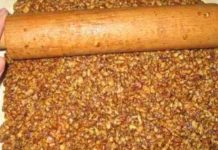
One of the first remedies I tried was an infusion made from pumpkin seeds, known for their soothing and anti-inflammatory properties.
How to prepare:
- Crush 3–4 tablespoons of pumpkin seeds.
- Add them to 0.5 liters of water.
- Simmer for 15 minutes.
- Strain and drink the infusion throughout the day, in small sips.
Pumpkin seeds are rich in fiber and nutrients, and their gentle effect on the digestive tract can help relieve discomfort, especially for those dealing with spasms or constipation.
2. Fennel Seed Tea for Gas Relief
Another highly effective remedy for bloating and excessive gas is fennel seed tea. Fennel is a time-honored digestive aid, widely used to calm an upset stomach.
How to prepare:
- Add 1 tablespoon of fennel seeds to 0.5 liters of boiling water.
- Let it steep until it cools.
- Strain and drink the tea instead of water throughout the day.
Fennel seeds contain compounds that relax the muscles of the gastrointestinal tract, reducing cramps and bloating. Drinking this tea regularly can help prevent the buildup of gas and promote more comfortable digestion.
3. Fresh Potato Juice for Stomach Health
One of the most unusual remedies I discovered is raw potato juice, which has long been used to soothe inflammation and acidity in the stomach.
How to use:
- Every morning, on an empty stomach, drink half a glass of freshly squeezed potato juice for 10 days.
- For the next 10 days, switch to half a glass of fresh carrot juice each morning.
Both potato and carrot juices are packed with vitamins and minerals that support healing and reduce irritation. After this 20-day course, my stomach felt much calmer and more resilient to dietary changes.
General Tips for Digestive Wellness
Alongside these folk remedies, I found that a few general principles made a big difference:
- Eat mindfully: Chew food slowly and don’t rush your meals. This helps digestion and gives your body time to signal when it’s full.
- Stay hydrated: Drink plenty of water throughout the day. Herbal teas are a great way to add more fluids, but avoid drinking large amounts of cold water, which can shock the digestive system.
- Exercise regularly: Gentle physical activity such as walking, stretching, or yoga helps keep the digestive tract moving.
- Manage stress: Practice relaxation techniques like deep breathing, meditation, or even simple hobbies that bring you joy.
- Avoid excessive use of medication: Many over-the-counter drugs, especially painkillers, can disrupt the digestive system if used too often.
A Doctor’s Perspective
As my physician explained, irritable bowel syndrome is mainly a functional disorder, meaning there’s no structural damage to the intestines. Symptoms like constipation, diarrhea, gas, and abdominal pain often improve after a bowel movement. The condition is more common in women and can be aggravated by emotional distress, which aligns with my personal experience.
Final Thoughts
Today, thanks to these simple changes and folk remedies, my digestive system is healthier than ever. I can enjoy the foods I love without constant worry, and I feel more in control of my health and well-being. If you struggle with similar issues, I encourage you to try these traditional solutions. They are easy to prepare, gentle on the body, and—most importantly—really work! Remember, always consult with your doctor before making major changes, especially if you have a chronic condition. Here’s to good health and a happy gut!
Vau.ge – Your Daily Guide for Practical Advice!
Vau.ge is a place where caring for your health, beauty, and daily routines becomes a natural, accessible, and enjoyable experience. Our main goal is to provide you with reliable information about natural remedies, homemade recipes, and practical tips that help you live a healthier life, look better, and simplify your everyday tasks without unnecessary expenses.
Our tips are easy to incorporate into your everyday life — whether it’s skincare, haircare, health-boosting remedies, or small tricks to save time. This knowledge will not only improve your own life but also allow you to share the experience with others, giving more people the chance to live a balanced life naturally and economically.
Please note: The articles on our website are for informational purposes only and do not replace professional medical advice. If you have serious health concerns, please consult a qualified specialist.