




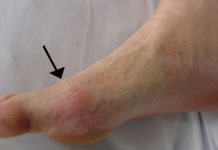



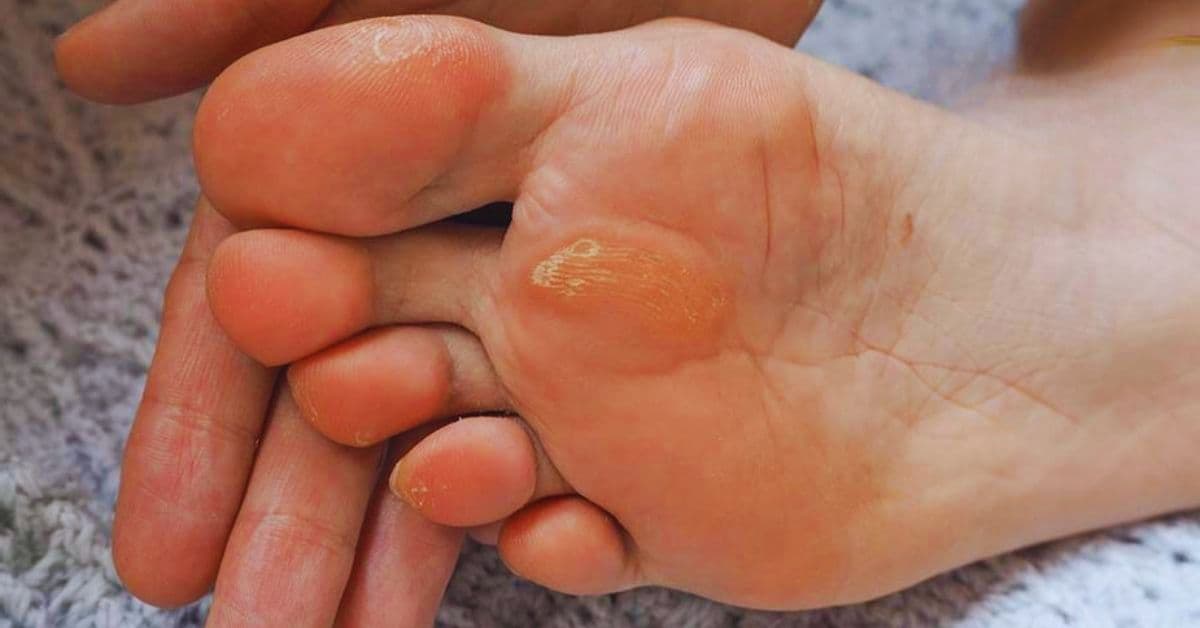
If you’ve ever suffered from calluses on your feet, you already know how uncomfortable and painful they can be. Neglecting to treat calluses in a timely manner may not only cause further discomfort, but can also lead to more serious health problems such as infections or difficulties walking. The good news is that there are several natural remedies you can use to effectively treat and remove calluses without spending a lot of money. These methods are simple, accessible, and can be easily prepared at home using everyday ingredients.
Below, you’ll find a collection of the best natural remedies for calluses, with detailed instructions and tips to achieve healthy, smooth skin.
1. Onion and Vinegar Compress
One of the most classic home remedies for calluses is a compress made from onion and vinegar. Both ingredients have natural antibacterial and softening properties.
How to Use:
- Crush two onions until you get a soft pulp.
- Apply the mixture directly onto the affected area.
- Wrap your foot with a warm cloth and leave it overnight.
- In the morning, remove the compress and rinse your feet with warm water.
- Use a pumice stone to gently scrub away the softened dead skin.
This method is effective because vinegar helps break down tough skin, while onion reduces inflammation and prevents infection.
2. Lemon Juice Compress
Lemon juice contains citric acid, which can soften hard skin and promote exfoliation.
How to Use:
- Soak a cotton pad in fresh lemon juice.
- Place it directly on the callus and secure it with a bandage or cloth.
- Leave it on overnight, then remove and wash the area in the morning.
- With regular use, you’ll notice your calluses gradually becoming softer and easier to remove.
3. Epsom Salt Foot Soak
Epsom salt has been used for centuries as a remedy for various ailments, especially those affecting the feet.
How to Use:
- Dissolve a handful of Epsom salt in a basin of warm water.
- Soak your feet for about 10-15 minutes.
- Use a pumice stone to gently remove the softened dead skin.
- This soak not only soothes tired feet but also helps reduce swelling and soften calluses for easier removal.
4. Castor Oil
Castor oil is known for its powerful antifungal and moisturizing properties.
How to Use:
- Apply a generous amount of castor oil directly onto the callus.
- Cover with a sock and leave overnight.
- Rinse in the morning and use a pumice stone if needed.
- Castor oil deeply penetrates the skin, breaking down thickened areas and leaving your feet hydrated.
5. Baking Soda Paste
Baking soda is a gentle abrasive and natural exfoliant.
How to Use:
- Mix baking soda with enough water to form a thick paste.
- Apply the paste to damp feet, focusing on callused areas.
- Massage gently, then rinse with warm water.
- Use a pumice stone to remove dead skin.
- This process increases blood flow to the area and encourages healthy skin regeneration.
6. Cocoa Butter
Cocoa butter is a fantastic moisturizer and helps restore the skin’s barrier.
How to Use:
- Rub a small amount of cocoa butter onto callused areas before bed.
- Put on socks to help the butter absorb into the skin overnight.
- This keeps the skin soft and helps prevent further cracking.
7. Olive Oil
Olive oil is another excellent natural moisturizer.
How to Use:
- Massage a small amount of olive oil onto callused skin daily.
- Allow it to absorb before putting on socks.
- This helps keep calluses soft and makes them easier to remove over time.
8. Raisins
Raisins contain natural acids and antioxidants that can help break down rough skin.
How to Use:
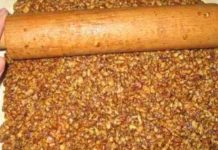
- Mash a handful of raisins into a thick paste.
- Apply to the affected areas, cover, and leave for an hour.
- Rinse and exfoliate with a pumice stone.
9. Pineapple
Pineapple contains enzymes (bromelain) that help soften and exfoliate callused skin.
How to Use:
- Place a small slice of fresh pineapple on the callus.
- Secure with a bandage and leave on overnight.
- Wash off in the morning and gently remove dead skin.
10. Turmeric and Honey
Turmeric has anti-inflammatory properties and honey is a natural moisturizer and antibacterial.
How to Use:
- Mix equal parts turmeric and honey to form a paste.
- Apply to the callus, leave for 15-20 minutes, then rinse off.
11. Potato Slices
Raw potatoes can reduce inflammation and help soften calluses.
How to Use:
- Cut thin slices of potato and place them on the affected area.
- Leave overnight and wash in the morning.
12. Garlic and Olive Oil Paste
Garlic is a natural antibiotic and olive oil moisturizes the skin.
How to Use:
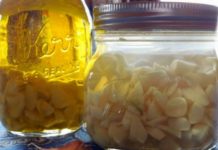
- Crush a clove of garlic and mix with olive oil to make a paste.
- Apply to the callus, leave for 30 minutes, then rinse.
13. Coconut Oil
Coconut oil has healing, antimicrobial, and moisturizing effects.
How to Use:
- Massage coconut oil onto callused skin at bedtime.
- Cover with socks and leave overnight.
14. Aspirin Paste
Aspirin contains salicylic acid, which helps soften calluses.
How to Use:
- Crush a few aspirin tablets and mix with a little lemon juice and water to form a paste.
- Apply to the callus, cover, and leave for 10 minutes before washing off.
15. Orange Peel
Orange peel is packed with vitamin C and natural acids that help renew skin.
How to Use:
- Place a piece of fresh orange peel on the callus.
- Secure and leave for several hours or overnight.
Additional Tips and Final Thoughts
- Be Consistent: Natural remedies require patience and regular application. Most calluses won’t disappear overnight, but with diligent care, you’ll see improvements within a week or two.
- Use a Pumice Stone: Always use a pumice stone or gentle file after soaking to remove softened dead skin. Never try to cut calluses off yourself, as this can lead to injury or infection.
- Moisturize Daily: Keeping feet hydrated is crucial in preventing new calluses.
- Choose Comfortable Shoes: Wear shoes that fit well and don’t rub against your skin. Insoles or pads can reduce pressure on your feet.
- See a Doctor: If you have diabetes, poor circulation, or if your calluses become painful, infected, or do not heal, consult a healthcare professional for appropriate care.
Wishing you healthy, happy feet! By following these natural remedies and tips, you can enjoy smoother, pain-free feet and keep calluses from coming back.
Vau.ge – Your Daily Guide for Practical Advice!
Vau.ge is a place where caring for your health, beauty, and daily routines becomes a natural, accessible, and enjoyable experience. Our main goal is to provide you with reliable information about natural remedies, homemade recipes, and practical tips that help you live a healthier life, look better, and simplify your everyday tasks without unnecessary expenses.
Our tips are easy to incorporate into your everyday life — whether it’s skincare, haircare, health-boosting remedies, or small tricks to save time. This knowledge will not only improve your own life but also allow you to share the experience with others, giving more people the chance to live a balanced life naturally and economically.
Please note: The articles on our website are for informational purposes only and do not replace professional medical advice. If you have serious health concerns, please consult a qualified specialist.