











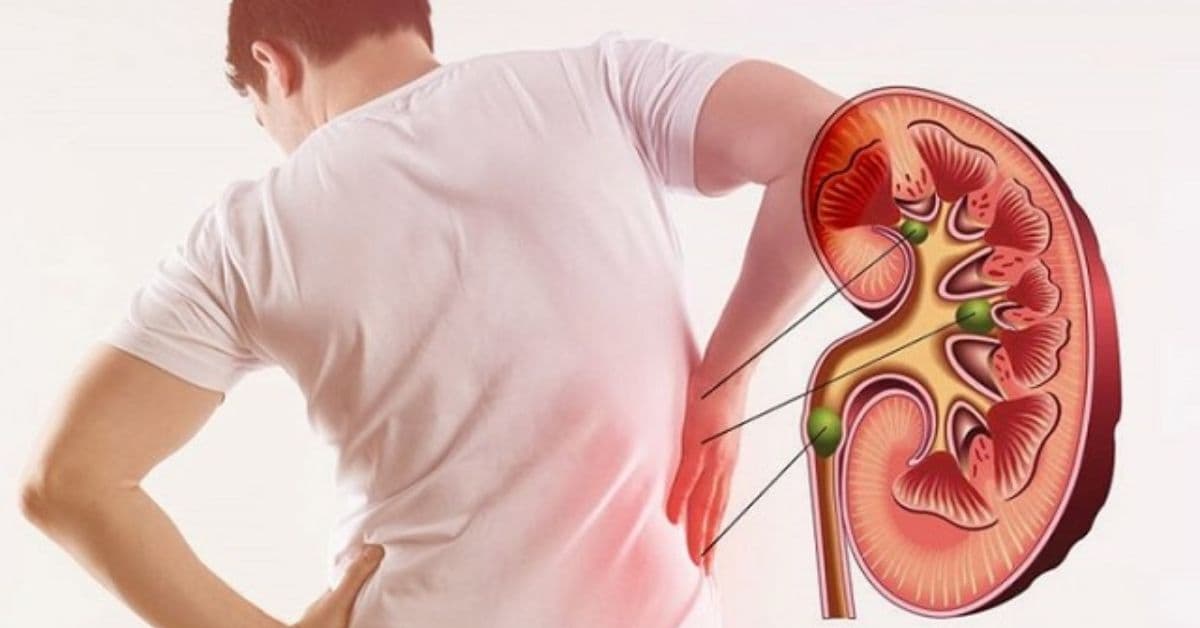
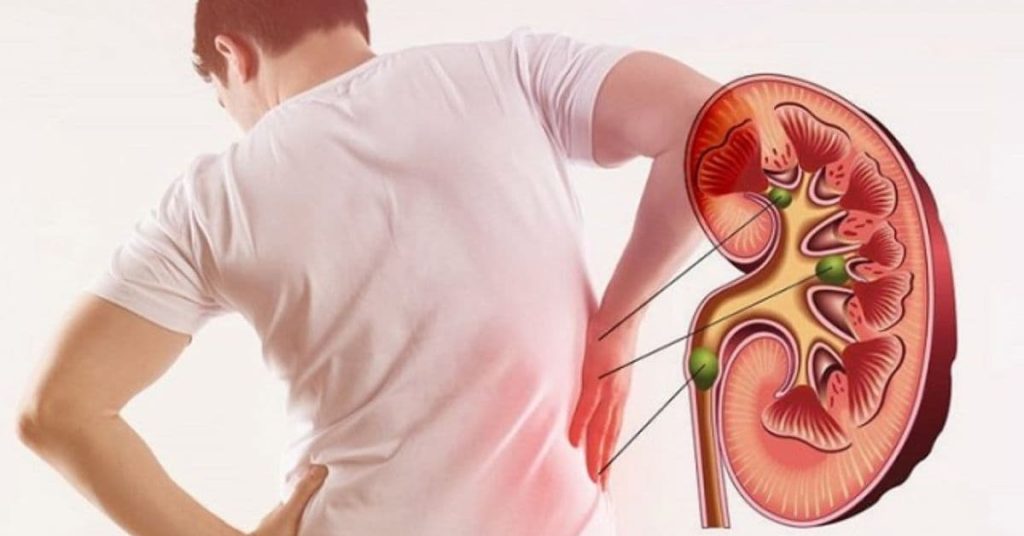
Kidney stones are a widespread health problem that affects many people around the world. But how can we prevent them, and what actually causes their formation? Understanding the risk factors and modifying your lifestyle can significantly reduce the likelihood of developing kidney stones. Below, we will discuss the main reasons behind kidney stone formation and provide some helpful tips for maintaining kidney health.
1. Avoiding Calcium-Rich Foods
Contrary to popular belief, avoiding calcium-rich foods can actually increase the risk of developing kidney stones. Calcium is an essential mineral required for healthy bones and teeth. Insufficient calcium in the diet not only weakens bones and may lead to osteoporosis, but also causes the body to absorb more oxalate, which can then bind with calcium in the kidneys and form stones. For this reason, it is important to include an adequate amount of calcium in your daily diet. Good sources of calcium include dairy products, leafy green vegetables, almonds, and fortified foods.
2. Excess Salt Intake in the Diet
Salt (sodium) is necessary for the body’s proper function, but excessive salt consumption is a major contributor to kidney stone formation. Consuming more than 6 grams of salt per day can increase blood pressure and cause calcium to be excreted in urine, which puts stress on the kidneys and encourages stone formation. Try to reduce your salt intake by avoiding processed foods, fast foods, and salty snacks. Instead, season meals with herbs and spices, and read nutrition labels to monitor sodium content.
3. Insufficient Citrus Fruits in the Diet
All citrus fruits (such as lemons, oranges, and grapefruits) contain citrate, a compound that helps prevent kidney stones by binding with calcium and inhibiting stone formation. If your diet lacks enough citrus fruits, your risk of developing stones may increase. Incorporate more fresh citrus fruits or even add a squeeze of lemon juice to your water to boost your citrate intake and help protect your kidneys.
4. Regular Consumption of Black Tea
While drinking 1-2 cups of black tea per day is generally safe for most people, regular or excessive consumption can contribute to kidney stone formation, especially in individuals who are prone to stones. Black tea contains high levels of oxalates, which can bind with calcium and form stones in the kidneys. If you are concerned about your kidney health, try alternating black tea with herbal teas, fruit infusions, or diluted natural juices.
5. Consumption of Carbonated Beverages
Research by Japanese scientists revealed that people who regularly drank 1 liter of sugary carbonated drinks daily, whether regular or diet, had an increased risk of kidney stones. The study found that these individuals often had protein in their urine, which is an indicator of kidney damage. Carbonated drinks may also contain phosphoric acid, which can disturb the body’s mineral balance. It’s best to minimize your consumption of sodas and opt for water or unsweetened beverages instead.
6. Overuse of Painkillers
Many commonly used pain relievers, such as non-steroidal anti-inflammatory drugs (NSAIDs), can negatively affect kidney function, especially when used regularly or in high doses. These medications can impair the kidneys’ ability to filter waste, leading to kidney damage and increased risk of stone formation. Use painkillers only when absolutely necessary and under the guidance of a healthcare provider.
7. Inadequate Water Intake
Proper hydration is essential for healthy kidney function and the prevention of kidney stones. When you do not drink enough water, toxins and minerals can accumulate in the blood and the urine becomes more concentrated, which increases the risk of stone formation. It is generally recommended to drink at least 12 cups (about 2.5–3 liters) of water a day, but individual needs may vary depending on body size, physical activity, and climate. A simple indicator is the color of your urine: the darker it is, the more water you need to drink. Aim for pale, straw-colored urine for optimal hydration.
Additional Tips for Kidney Health and Stone Prevention:
- Maintain a balanced diet: Include a variety of fruits, vegetables, whole grains, and lean proteins.
- Limit foods high in oxalates: Spinach, beets, nuts, and chocolate contain high levels of oxalates, which can contribute to stone formation.
- Limit animal protein: Excessive intake of animal proteins, such as red meat, eggs, and seafood, can increase the risk of stones.
- Stay active: Regular physical activity helps maintain a healthy body weight and reduces the risk of kidney stones.
- Manage chronic conditions: Conditions like diabetes and high blood pressure can affect kidney health; managing these through medication and lifestyle changes is crucial.
- See your doctor regularly: Routine check-ups can help detect kidney problems early and keep your urinary system healthy.
Conclusion
Kidney stones are a painful and potentially serious condition, but understanding their causes and taking simple preventive measures can greatly reduce your risk. Make sure to maintain proper hydration, follow a balanced diet, limit salt and processed food intake, and avoid excessive consumption of black tea and carbonated beverages. Consult your healthcare provider if you have any concerns about your kidney health, especially if you have a family history of kidney stones or chronic kidney disease. Remember, prevention is always better than cure—start taking care of your kidneys today for a healthier tomorrow!
Vau.ge – Your Daily Guide for Practical Advice!
Vau.ge is a place where caring for your health, beauty, and daily routines becomes a natural, accessible, and enjoyable experience. Our main goal is to provide you with reliable information about natural remedies, homemade recipes, and practical tips that help you live a healthier life, look better, and simplify your everyday tasks without unnecessary expenses.
Our tips are easy to incorporate into your everyday life — whether it’s skincare, haircare, health-boosting remedies, or small tricks to save time. This knowledge will not only improve your own life but also allow you to share the experience with others, giving more people the chance to live a balanced life naturally and economically.
Please note: The articles on our website are for informational purposes only and do not replace professional medical advice. If you have serious health concerns, please consult a qualified specialist.