











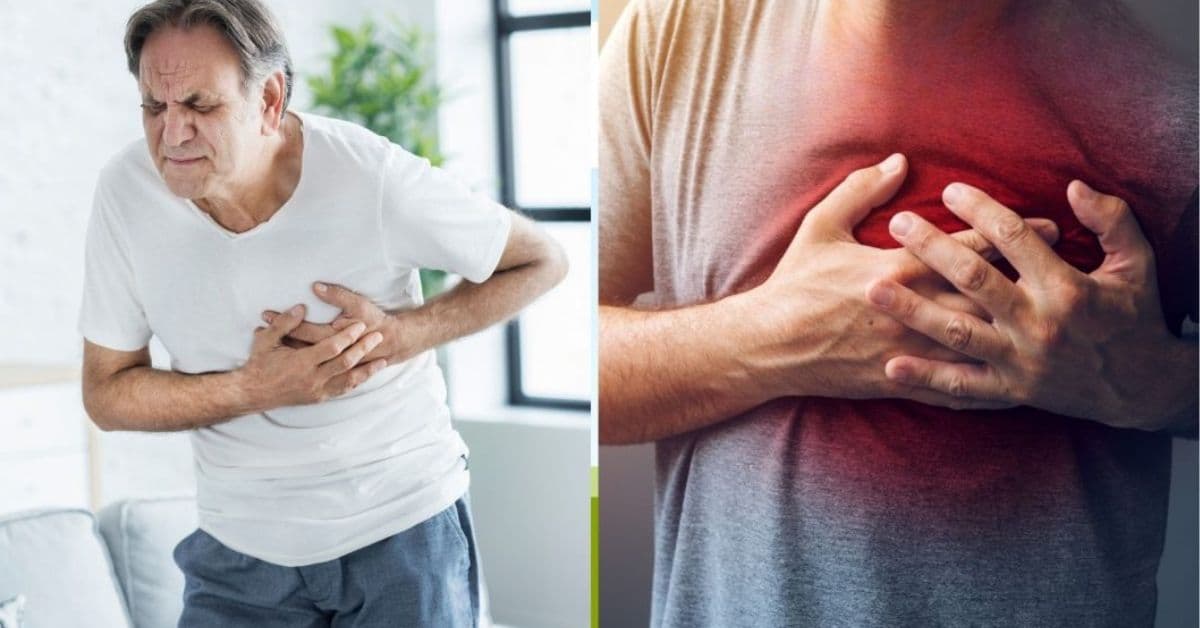
A heart attack, also known as myocardial infarction, is a life-threatening condition that occurs when a blood vessel supplying the heart muscle (the coronary artery) becomes blocked. When this happens, the heart muscle is deprived of oxygen, which can quickly lead to damage or death of heart cells. This medical emergency requires immediate attention, and early recognition of its warning signs can save your life or the life of someone you love.
Understanding the Heart’s Importance
The heart is one of the five most vital organs in the human body, working tirelessly to pump oxygen-rich blood to every cell and tissue. Together with the brain, kidneys, liver, and lungs, the heart forms the core of our life support system. Maintaining its health is essential for overall well-being.
Unfortunately, heart attacks remain one of the leading causes of mortality worldwide, affecting both men and women of all ages. Because a heart attack can occur suddenly and progress rapidly, it is crucial to recognize its early symptoms and take swift action. Importantly, not all heart attacks announce themselves with severe pain – sometimes, the signs can be subtle or mistaken for less serious conditions.
What Exactly Happens During a Heart Attack?
A heart attack occurs when one of the arteries that supply blood to the heart muscle becomes suddenly blocked, usually due to a blood clot that forms on top of a ruptured plaque within the artery. This blockage cuts off the supply of oxygen and nutrients to a part of the heart muscle, resulting in tissue damage. The longer the heart muscle is deprived of oxygen, the greater the damage and the higher the risk of complications or death.
The Four Key Symptoms of a Heart Attack
Below are four critical warning signs your body may send before or during a heart attack. Paying close attention to these messages can make all the difference.
Rapid and Irregular Heartbeat (Arrhythmia)
If you suddenly notice your heart beating rapidly or irregularly—especially if it is accompanied by other symptoms—do not ignore it. While occasional palpitations can result from stress, anxiety, or exertion, a sudden or unexplained arrhythmia may be an early sign of a heart attack. If your heartbeat feels strange or out of rhythm and you feel unwell, seek medical attention immediately.
Chest Pain or Pressure
This is the most classic and well-known symptom of a heart attack. It may feel like squeezing, fullness, pain, burning, or pressure in the center or left side of the chest. Sometimes, the discomfort radiates to the left arm, jaw, neck, back, or even the abdomen. The pain may be mild or severe, and some people describe it as an “elephant sitting on the chest.” If you experience persistent chest pain that does not go away with rest, call emergency services right away.
Excessive Sweating (Especially Cold Sweat)
Unexplained, sudden sweating—particularly cold, clammy sweat—may indicate a heart attack, especially if it occurs in combination with other symptoms. You may feel as though you have broken out into a sweat without physical exertion, or the sweating may be accompanied by feelings of anxiety, dizziness, or weakness.
Unusual Fatigue and Weakness
A sudden, overwhelming sense of fatigue or weakness—especially if it is new or out of proportion to your usual activities—may be a warning sign of a heart attack. Fatigue that is not relieved by rest or that interferes with daily life deserves attention, particularly if it is accompanied by any of the other warning signs mentioned here.
Other Symptoms to Watch Out For:
- Shortness of breath, even with minimal activity or while at rest
- Nausea, vomiting, or lightheadedness
- Fainting or feeling like you might pass out
- Sudden dizziness or confusion
- Palpitations or rapid pulse
Silent Heart Attacks – Beware of the Hidden Danger
It’s important to note that not all heart attacks cause chest pain or other obvious symptoms. In fact, “silent heart attacks” are surprisingly common, especially among people with diabetes or elderly individuals. These attacks may go unrecognized, but they still cause significant damage to the heart muscle and increase the risk of complications in the future. For this reason, any unusual or unexplained physical symptoms—particularly in high-risk individuals—should be investigated by a healthcare professional.
What Should You Do If You Suspect a Heart Attack?
Time is muscle: the sooner you seek help, the better the chances of survival and recovery. If you or someone near you experiences any of the symptoms listed above:
- Call emergency medical services immediately—do not drive yourself to the hospital unless you have no other option.
- Try to remain calm and sit or lie down while waiting for help to arrive.
- If you have been prescribed nitroglycerin for heart problems, take it as directed while waiting for assistance.
- Do not attempt to “push through” the pain or ignore the warning signs.
Prevention: How to Take Care of Your Heart
While genetics play a role in heart disease, many risk factors are within your control. To help protect your heart, follow these guidelines:
- Avoid smoking and limit alcohol consumption.
- Maintain a healthy, balanced diet low in saturated fats and salt.
- Engage in regular physical activity.
- Monitor and control your blood pressure, cholesterol, and blood sugar levels.
- Manage stress and prioritize regular medical checkups.
Final Thoughts: Listen to Your Body
Our bodies are in constant communication with us, sending signals when something is not right. Do not ignore unusual symptoms or brush off persistent signs of discomfort. Recognizing the early warning signs of a heart attack and acting quickly could save your life or the life of someone you care about. Remember, your health is your most valuable asset—guard it with vigilance and care.
Warning:
Some heart attacks occur without pain, especially in people with diabetes and the elderly. If you or someone you know falls into these categories, be extra vigilant about subtle symptoms. Always seek professional advice and don’t hesitate to call for help when in doubt.
Vau.ge – Your Daily Guide for Practical Advice!
Vau.ge is a place where caring for your health, beauty, and daily routines becomes a natural, accessible, and enjoyable experience. Our main goal is to provide you with reliable information about natural remedies, homemade recipes, and practical tips that help you live a healthier life, look better, and simplify your everyday tasks without unnecessary expenses.
Our tips are easy to incorporate into your everyday life — whether it’s skincare, haircare, health-boosting remedies, or small tricks to save time. This knowledge will not only improve your own life but also allow you to share the experience with others, giving more people the chance to live a balanced life naturally and economically.
Please note: The articles on our website are for informational purposes only and do not replace professional medical advice. If you have serious health concerns, please consult a qualified specialist.