









Blood clots, or thrombi, are among the most dangerous and life-threatening health conditions. They can develop silently and quickly lead to severe consequences such as stroke, heart attack, or pulmonary embolism. That’s why it is crucial to be aware of the warning signs your body gives you and to pay close attention to seemingly minor symptoms. In this expanded article, you will learn in detail about the 10 main symptoms of blood clot development, why they matter, and what actions you should take if you notice them.
Why You Should Know the Symptoms of Thrombosis
Many people fear receiving a medical diagnosis, but knowledge is power. Understanding the risks and being able to recognize signs of blood clots can literally save your life or the life of someone you love. Our physical health is the foundation for our mental, emotional, and spiritual wellbeing. Without it, we cannot function at our best or experience happiness to its fullest. That’s why listening to your body and acting quickly when something feels wrong is so important.

The 10 Main Symptoms of Blood Clot Development
1. Swelling in the Limbs
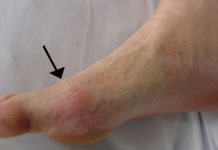
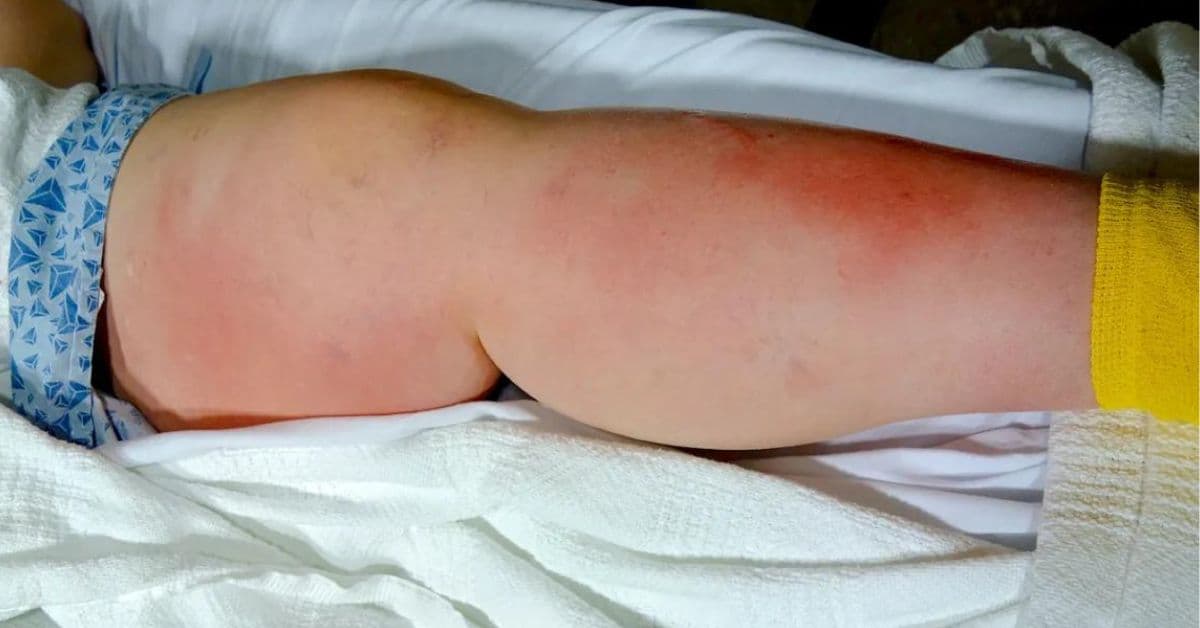
Unexplained swelling in an arm or leg is a classic sign that should not be ignored. This swelling often occurs when blood flow is severely restricted due to a clot blocking a vein. The affected limb, deprived of oxygen and nutrients, becomes puffy and tender. If you notice this kind of swelling, especially if it is only on one side, seek medical attention immediately.
2. Pain in the Arm or Leg
A dull, persistent pain or aching sensation, often accompanied by warmth or tenderness, is another important warning sign. Many describe the pain as cramping, throbbing, or soreness that cannot be explained by injury or physical activity. The area may also feel hot to the touch or look slightly red.
3. Chest Pain When Breathing Deeply
Sharp or stabbing pain in the chest, especially when you try to take a deep breath, should be taken very seriously. This may indicate a clot in the lungs (pulmonary embolism). Sometimes, people mistake these symptoms for a heart attack or muscle strain, but a blood clot can be equally or more dangerous. Immediate medical attention is required, as a pulmonary embolism can be fatal.
4. Shortness of Breath
Difficulty breathing, feeling like you can’t catch your breath, or unexplained breathlessness are key symptoms of a blood clot in the lungs. This may come on suddenly and may be accompanied by dizziness, a racing pulse, and chest discomfort. In severe cases, people may faint or collapse.
5. Red or Discolored Skin Streaks
Bruises are generally harmless and caused by minor trauma, but long, red streaks along the veins are more serious. These red lines may indicate inflammation or a clot in the vein (thrombophlebitis). If you see unusual redness that does not go away or seems to be spreading, consult a doctor as soon as possible.
6. Warmth or Itching in the Area
A noticeable increase in skin temperature, itching, or tenderness in a particular area—especially where there is redness or swelling—can also signal a clot. If the problem persists and home remedies do not help, do not ignore it.
7. Unexplained Fatigue or Malaise
Living with constant stress and a busy schedule can lead to fatigue, but if you feel unusually exhausted without clear cause, pay attention. Systemic inflammation or the presence of a blood clot can cause unexplained tiredness, malaise, and even flu-like symptoms.
8. Muscle Cramps or Spasms
Recurring or severe muscle cramps—especially in the calf or thigh—may indicate impaired blood flow caused by a clot. Dehydration and thickened blood can also contribute to cramping. Muscle discomfort that does not resolve should be checked by a professional.
9. Sudden, Unexplained Cough
A dry or productive cough that develops suddenly, without signs of a cold or infection, can be a warning of a pulmonary embolism. The risk increases if you cough up blood or notice bloody mucus. Such symptoms are always a medical emergency.
10. Other Possible Signs: Fever, Dizziness, and Rapid Heartbeat
A blood clot can put extra stress on your heart, leading to symptoms such as an unexplained fever, dizziness, fainting, or palpitations. Although these symptoms are common to other conditions, in combination with the signs above, they may indicate something serious is happening.
Why You Should Never Ignore These Symptoms
The consequences of a blood clot are often severe and can develop very quickly. Thrombosis can lead to strokes, heart attacks, limb amputation, or even death if not treated promptly. While some risk factors—such as genetic predisposition, immobility, surgery, cancer, or pregnancy—may increase the chances of developing a clot, they can happen to anyone, at any age.
When to See a Doctor
If you notice any combination of the symptoms listed above, do not attempt to self-diagnose or treat the problem at home. Call your doctor or visit the nearest emergency room. Early detection and treatment are key to preventing permanent damage.
Preventive Measures
Maintaining a healthy lifestyle can greatly reduce your risk of blood clots:
- Stay physically active and avoid sitting for long periods.
- Drink plenty of water to prevent dehydration.
- Maintain a healthy weight.
- Avoid smoking and excessive alcohol consumption.
- Follow your doctor’s advice, especially if you have risk factors.
Conclusion
Listening to your body and taking symptoms seriously can save your life. The 10 warning signs described above are the body’s way of signaling that something is wrong. By learning to recognize and respond to these symptoms, you can help prevent the devastating effects of blood clots. Don’t hesitate to seek help—your health and your life may depend on it.
Vau.ge – Your Daily Guide for Practical Advice!
Vau.ge is a place where caring for your health, beauty, and daily routines becomes a natural, accessible, and enjoyable experience. Our main goal is to provide you with reliable information about natural remedies, homemade recipes, and practical tips that help you live a healthier life, look better, and simplify your everyday tasks without unnecessary expenses.
Our tips are easy to incorporate into your everyday life — whether it’s skincare, haircare, health-boosting remedies, or small tricks to save time. This knowledge will not only improve your own life but also allow you to share the experience with others, giving more people the chance to live a balanced life naturally and economically.
Please note: The articles on our website are for informational purposes only and do not replace professional medical advice. If you have serious health concerns, please consult a qualified specialist.