







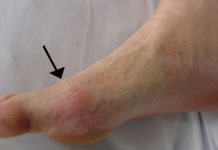







Leg cramps are a common problem that affect millions of people worldwide, often occurring at night when the body is at rest. These sudden, involuntary muscle contractions can be incredibly painful and usually happen in the thighs, calves, or feet. Many people experience them during sleep or just before waking up in the morning.
A leg cramp typically involves a sharp, intense muscle spasm that may last from a few seconds to several minutes. Once the cramp subsides, the affected muscle may remain sore, tight, and sensitive to touch or sudden movement for hours afterward. This lingering discomfort can interfere with daily activities and disturb sleep, leading to frustration and fatigue.
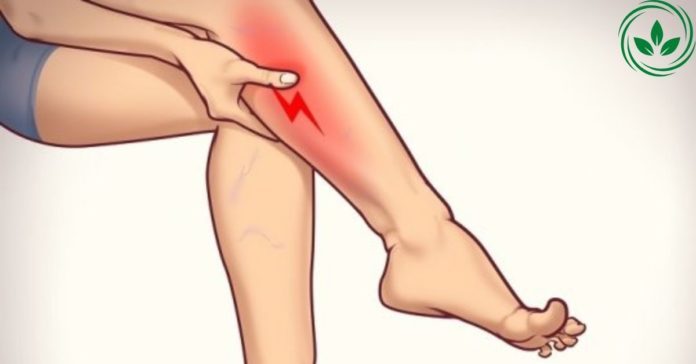
It’s important to note that leg cramps are different from restless leg syndrome (RLS), although the two conditions are sometimes confused. With cramps, the pain worsens when you try to move the leg, while people with RLS generally feel temporary relief when they move their legs.
Why Do Leg Cramps Happen?
The exact cause of leg cramps is still not completely understood by medical professionals. However, researchers and healthcare providers agree that several factors may contribute to these painful episodes. Certain medical conditions, lifestyle habits, and deficiencies are believed to increase the likelihood of developing muscle cramps.
Some of the most common triggers and risk factors include:
- Pregnancy: Hormonal changes and additional strain on the muscles can lead to cramps.
- Dehydration: Lack of fluids can disturb the balance of electrolytes in the body, resulting in muscle spasms.
- Magnesium Deficiency: Magnesium is vital for muscle function, and a deficiency can cause frequent cramps.
- Potassium Deficiency: Low potassium levels can also trigger muscle contractions.
- Calcium Deficiency: Calcium is essential for muscle relaxation, and a lack of it may lead to cramps.
- Kidney Disease: Poor kidney function can alter electrolyte levels, increasing cramp risk.
- Thyroid Issues: Hypothyroidism can lead to muscle stiffness and cramping.
- Overexertion: Excessive exercise or muscle strain may cause cramps, especially if the muscles are not properly warmed up or stretched.
- Prolonged Sitting or Standing: Remaining in one position for too long can reduce circulation, causing cramping.
- Cold Exposure: Extended exposure to low temperatures may trigger muscle spasms.
- Medications: Certain medications, such as diuretics, statins, or blood pressure drugs, may increase the likelihood of cramps as a side effect.
Natural Ways to Prevent and Relieve Leg Cramps
If you frequently suffer from leg cramps, there are natural remedies and lifestyle changes you can adopt to prevent and relieve the pain. Here are some of the most effective methods:
1. Regular Physical Activity
Staying active is one of the simplest ways to reduce the risk of leg cramps. Gentle daily exercises such as walking, stretching, or swimming can improve blood circulation and strengthen muscles. Avoid standing or sitting for long periods without moving. Try to take breaks and walk around regularly if your lifestyle involves prolonged sitting.
2. Stretching
Incorporate stretching into your daily routine, especially before bedtime. Focus on the muscles most prone to cramping, such as the calves and thighs. Stretching helps keep muscles flexible and reduces the chances of painful spasms. When you feel a cramp coming on, gently stretch the muscle involved and massage it softly to ease the contraction.
3. Stay Hydrated
Dehydration is one of the primary causes of muscle cramps. Make sure you drink plenty of water throughout the day to maintain hydration and electrolyte balance. Keep a bottle of water nearby, especially if you exercise or spend time in hot environments.
4. Massage and Acupuncture
Regular massage can help relax tight muscles and improve blood flow. Consider getting a professional massage or using a foam roller at home. Acupuncture is another effective option, as it targets specific points on the body to release muscle tension and promote healing.
5. Magnesium Supplementation
Magnesium is crucial for muscle health. If you have low magnesium levels, you may be more prone to cramps. You can increase magnesium intake by eating more nuts, seeds, leafy greens, and whole grains. Additionally, you can create a magnesium oil spray at home:
Boil half a cup of distilled water.
- Add half a cup of magnesium chloride flakes.
- Stir until dissolved, let it cool, and pour into a spray bottle.
- Spray your feet and calves 5–10 times before bedtime.
6. Epsom Salt Baths
Epsom salt baths are an excellent way to relax muscles and relieve cramping. The salts contain magnesium, which is absorbed through the skin and helps reduce muscle tension. Soak in a warm bath with Epsom salt for 15–20 minutes a few times a week to prevent cramps and promote relaxation.
What to Do During a Cramp
If you experience a cramp despite taking preventive measures, follow these tips to relieve the