















Your kidneys are small, bean-shaped organs located on either side of your spine, just above the waist. Despite their size, they are responsible for some of the most important functions that keep your body alive and healthy. They filter your blood, remove toxins, balance minerals, regulate blood pressure, and even help in the production of red blood cells.
When your kidneys don’t function properly, the impact on your overall health can be severe. Unfortunately, kidney problems often develop slowly, and early warning signs are easily overlooked. Recognizing these signals can save your health — and in some cases, your life.
Here are 7 warning signs that your kidneys may not be working properly. If you notice any of them, don’t ignore it — consult a doctor before it’s too late.
1. Swelling in the Face, Hands, or Feet
Healthy kidneys filter about 130–150 liters of blood every day and help remove excess fluid through urine. They also regulate essential electrolytes such as potassium, sodium, calcium, and phosphorus.
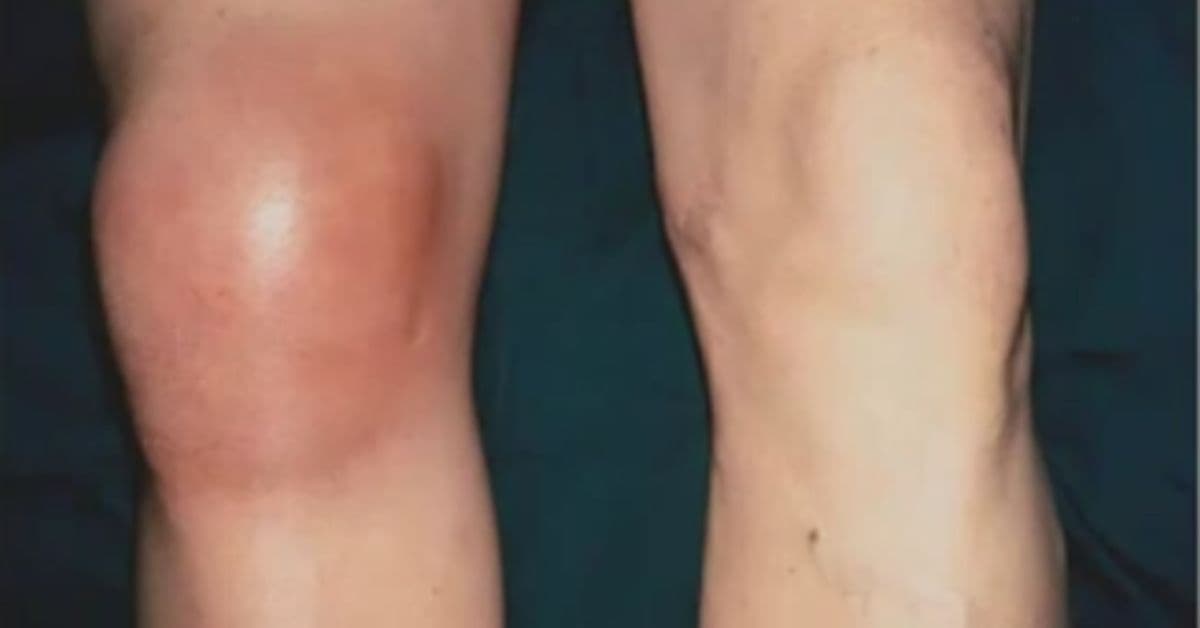
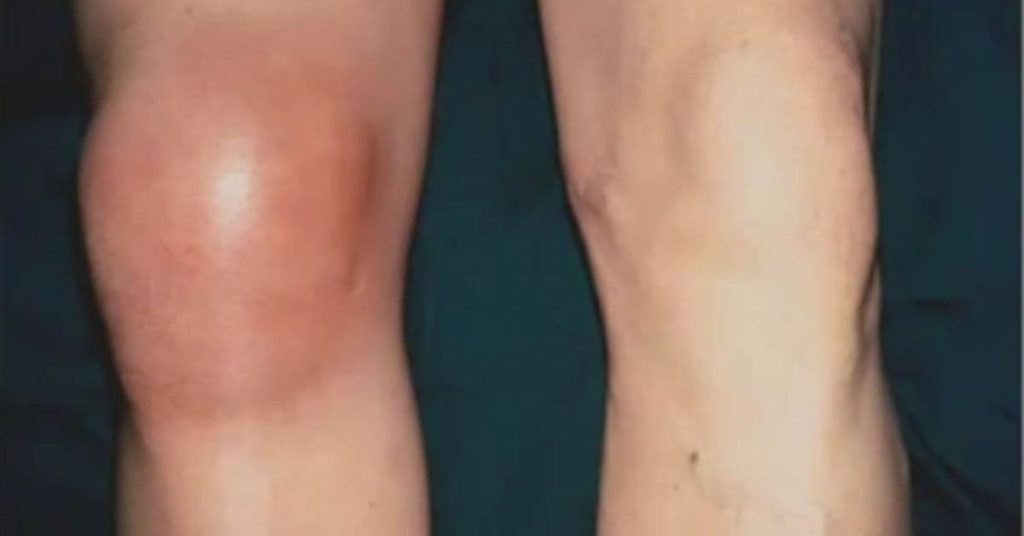
When your kidneys fail to keep up with this job, fluid and toxins accumulate in the body. The most visible symptom is swelling (edema), especially in the face, ankles, legs, or joints. Many people dismiss this as water retention or fatigue, but it is often an early sign of kidney dysfunction.
2. Problems with Urination
Changes in urination are one of the clearest signals of kidney trouble. If you notice:
- Dark or foamy urine
- Excessively frequent urination, especially at night
- Unusually pale urine
- Pain or burning sensation when urinating
…these can all indicate kidney inflammation or even infection of the urinary tract. Waking up multiple times at night to use the bathroom is not normal and deserves medical attention.
3. Skin Rashes or Persistent Dryness
When kidneys cannot eliminate toxins effectively, harmful waste products remain in the bloodstream. This buildup often manifests as skin problems — rashes, itchiness, dryness, or general irritation.
Many people treat these symptoms with creams or ointments, but the real issue may be internal. If your skin irritation persists despite external treatment, your kidneys may be the underlying cause.
4. Shortness of Breath
Kidney dysfunction can directly affect your respiratory system. When kidneys are not filtering waste, oxygen levels in the blood may drop, leading to fatigue and difficulty breathing.
In some cases, fluid buildup in the lungs occurs, causing chronic shortness of breath or worsening asthma-like symptoms. If you find yourself gasping for air after light activity, don’t just blame it on being “out of shape” — it may be a kidney-related issue.
5. Metallic Taste in the Mouth and Loss of Appetite
Accumulated toxins in the body can change your sense of taste. A metallic taste in the mouth, bad breath, or a sudden aversion to certain foods often point to kidney failure.
Patients with chronic kidney disease frequently report poor appetite and unintended weight loss. This isn’t just a minor inconvenience — it’s your body’s way of signaling that something is wrong.
6. Pain in the Lower Back
Persistent pain in the lower back, sides, or beneath the ribs may indicate kidney problems. While back pain is common and often linked to muscle strain, kidney-related pain tends to be deeper and sharper.
This type of pain could result from kidney stones, infections, or even cysts. If your back pain doesn’t improve with rest or massage, consider scheduling a check-up with your doctor.
7. Dizziness and Poor Concentration
Your kidneys produce a hormone called erythropoietin (EPO), which stimulates bone marrow to make red blood cells. If kidney function declines, your red blood cell count may drop, leading to anemia.
Low hemoglobin means less oxygen reaches your brain, causing dizziness, lightheadedness, fatigue, and difficulty concentrating. In severe cases, fainting spells may also occur.
Why It’s Dangerous to Ignore Kidney Symptoms
Kidney disease is often called a “silent killer” because it progresses slowly and quietly. By the time symptoms become obvious, the damage is usually advanced. Untreated kidney disease can lead to:
- Chronic kidney failure
- Need for dialysis or transplant
- Severe cardiovascular disease
- Stroke or life-threatening infections
This is why early detection and prevention are critical.
How to Protect Your Kidneys Naturally
While medical treatment is essential in advanced cases, there are steps you can take to keep your kidneys healthy:
- Stay Hydrated – Drink enough water daily to help your kidneys flush out toxins.
- Eat Antioxidant-Rich Foods – Fruits and vegetables like berries, carrots, spinach, and apples help reduce oxidative stress.
- Limit Salt and Processed Foods – High sodium intake strains the kidneys and raises blood pressure.
- Control Blood Sugar – Diabetes is one of the leading causes of kidney disease. Maintain stable blood sugar levels through a balanced diet.
- Exercise Regularly – Even 30 minutes of walking a day improves blood circulation and supports kidney function.
- Avoid Overuse of Painkillers – NSAIDs and other pain relievers can harm kidney tissues if used excessively.
- Quit Smoking and Reduce Alcohol – Both increase the risk of kidney damage and high blood pressure.
When to See a Doctor
If you experience two or more of the warning signs described above — swelling, changes in urination, unexplained fatigue, or persistent back pain — don’t delay medical attention. Blood and urine tests can quickly reveal whether your kidneys are functioning normally.
Remember: self-treatment with herbs or home remedies is not a substitute for professional medical care. Only a healthcare professional can provide an accurate diagnosis and treatment plan.
Final Thoughts
Your kidneys work tirelessly to keep your body balanced and free from toxins. Yet, they are often overlooked until something goes wrong. By paying attention to the warning signs — from swelling and urination problems to dizziness and back pain — you can catch kidney issues early and prevent serious complications.
Taking simple steps, such as eating a healthy diet, staying active, and avoiding excessive salt or sugar, can go a long way in protecting your kidney health.
👩⚕️ If you notice any of these 7 symptoms, don’t wait. Listen to your body, consult your doctor, and take action before it’s too late.
Vau.ge – Your Daily Guide for Practical Advice!
Vau.ge is a place where caring for your health, beauty, and daily routines becomes a natural, accessible, and enjoyable experience. Our main goal is to provide you with reliable information about natural remedies, homemade recipes, and practical tips that help you live a healthier life, look better, and simplify your everyday tasks without unnecessary expenses.
Our tips are easy to incorporate into your everyday life — whether it’s skincare, haircare, health-boosting remedies, or small tricks to save time. This knowledge will not only improve your own life but also allow you to share the experience with others, giving more people the chance to live a balanced life naturally and economically.
Please note: The articles on our website are for informational purposes only and do not replace professional medical advice. If you have serious health concerns, please consult a qualified specialist.