












Why Early Recognition Saves Lives
A heart attack, also known as myocardial infarction, occurs when the blood flow in one of the coronary arteries becomes blocked. When this happens, the heart muscle no longer receives enough oxygen. Without immediate treatment, parts of the heart tissue begin to die — causing permanent damage and, in the worst cases, life-threatening complications.
Understanding the early warning signs is essential. Recognizing symptoms in time can dramatically improve survival rates and reduce long-term damage. Our body communicates constantly, and learning to interpret these signals is a crucial form of self-protection.
The heart is not just another organ. Alongside the brain, lungs, liver, and kidneys, it is among the five vital systems that keep our body alive. When the heart fails to function properly, every other organ suffers.
How a Heart Attack Develops
Heart attacks are usually the result of atherosclerosis — the buildup of plaque inside the arteries. When plaque ruptures, a blood clot can form and block circulation. Within minutes, oxygen supply to the heart muscle stops, and cells begin to die.
This process can unfold suddenly, but in many cases the body sends subtle warning signs hours, days, or even weeks in advance. Recognizing them early can mean the difference between timely intervention and irreversible damage.
The Importance of Listening to Your Body
Every individual experiences symptoms differently. Some attacks come with obvious pain. Others develop almost silently. That is why it is important to understand a wide range of possible warning signals rather than waiting for dramatic chest pain alone.
Below are four of the most commonly reported symptoms of heart attack that should never be ignored.
1. Rapid or Irregular Heartbeat
An accelerated or irregular pulse can appear when you are anxious, overtired, or physically exerted. However, if it occurs suddenly, repeatedly, or together with other symptoms, it may signal a developing problem.
Sudden palpitations can indicate electrical instability in the heart — something often associated with reduced blood flow. They might be accompanied by dizziness, faintness, or a feeling of inner pressure. This is your body’s way of alerting you that the heart is struggling to pump effectively.
If you notice recurring, unexplained irregular beats, medical evaluation is essential.
2. Chest Tightness and Pressure
Chest pain is the classic symptom of a heart attack, but its character can vary. Some describe it as:
- tightness,
- heaviness,
- burning,
- squeezing,
- or a sensation as if something is pressing from the inside.
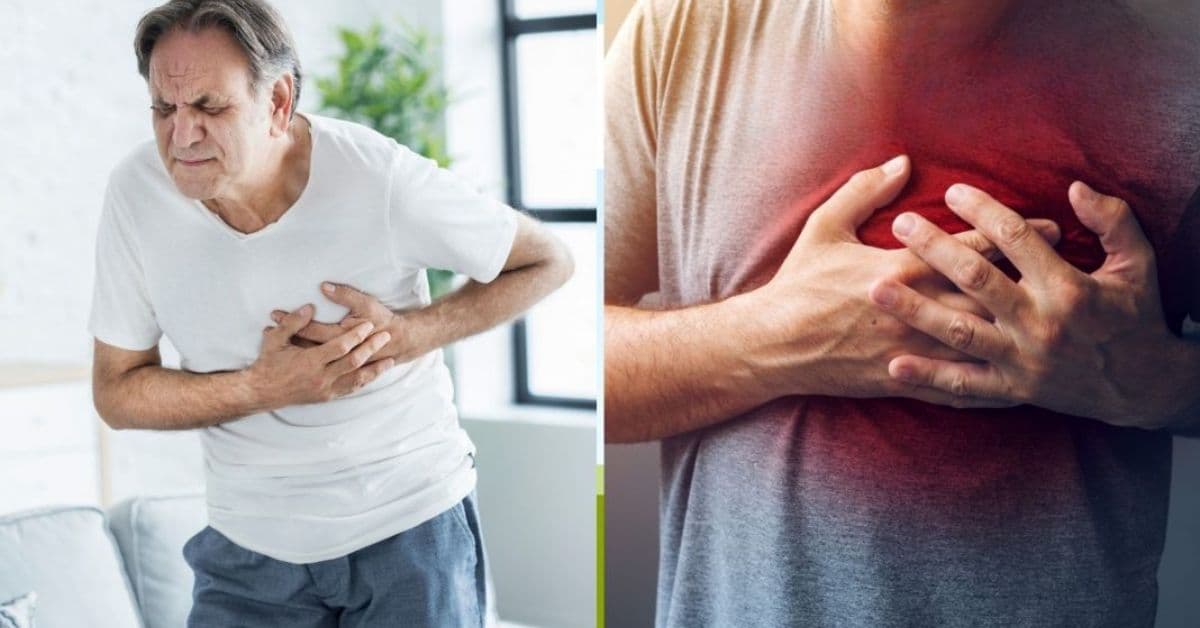
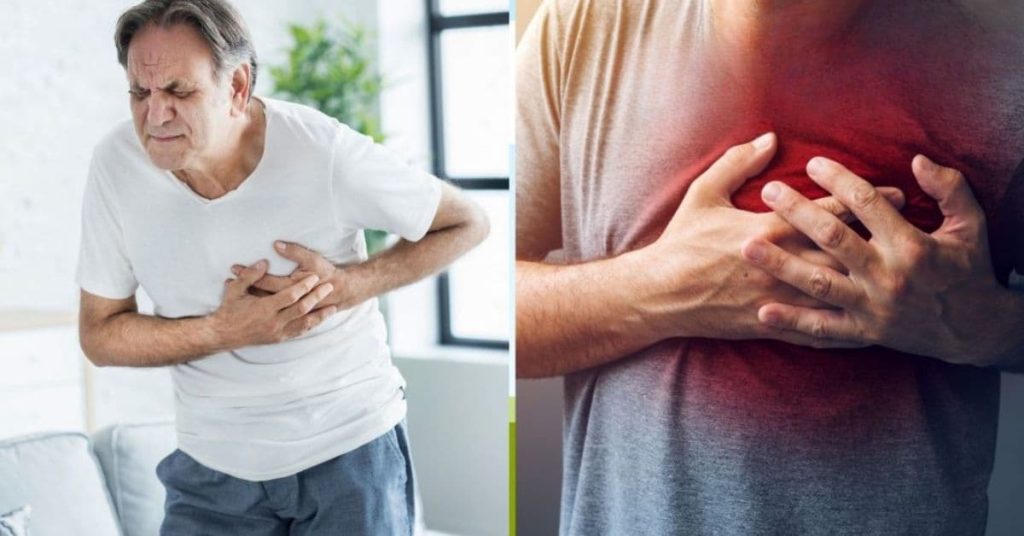
The pain may worsen during activity or stress and improve slightly when resting. It can radiate to the arms, shoulders, back, jaw, or even the upper stomach.
This symptom is caused by the heart muscle’s inability to receive sufficient oxygen under load. Even mild pressure should be taken seriously, especially if it lasts longer than a few minutes or comes in waves.
3. Sudden, Cold Sweating
Sweating is normal during heat, physical effort, or emotional distress. However, cold, sudden sweat without an apparent cause can be a red-flag symptom.
During a heart attack, the nervous system becomes stressed, triggering a fight-or-flight response. The body releases adrenaline, leading to cold sweat and pallor. This often appears together with nausea or lightheadedness.
When this occurs unexpectedly, especially alongside chest discomfort, medical care is urgently needed.
4. Unexplained Fatigue
Deep, persistent fatigue is one of the most underestimated symptoms of a heart attack. When the heart cannot pump sufficient blood, muscle tissues begin receiving less oxygen. As a result, even small tasks feel exhausting.
In many cases — especially in women — fatigue may appear days or weeks before an actual cardiac event. Patients may describe it as heavy limbs, weakness, or slowed movement.
If tiredness is sudden, overwhelming, and accompanied by shortness of breath or chest pressure, it is not something to ignore.
When a Heart Attack Is Silent
Not all heart attacks are painful. So-called silent infarctions occur without the dramatic symptoms typically expected. They are particularly common in:
- elderly individuals,
- patients with diabetes,
- people with high pain tolerance,
- individuals with nerve damage.
A silent heart attack may feel like:
- mild indigestion,
- slight discomfort,
- fatigue,
- shortness of breath,
- or simply “not feeling well.”
Because the symptoms are vague, treatment is often delayed. This increases the risk of long-term damage. Regular check-ups and attention to subtle changes are therefore essential.
Other Symptoms Sometimes Reported
Although our focus is four common signs, other warning signals may include:
- nausea or vomiting,
- jaw pain,
- pain spreading down the left arm,
- shortness of breath,
- dizziness or fainting,
- palpitations with anxiety.
Not everyone will experience all of these symptoms — any combination can be serious.
Risk Factors You Should Know
Certain conditions increase the likelihood of a heart attack:
- smoking,
- high cholesterol,
- high blood pressure,
- diabetes,
- obesity,
- chronic stress,
- sedentary lifestyle,
- family history of heart disease.
The more risk factors present, the more carefully you should monitor symptoms.
What To Do If You Suspect a Heart Attack
Time is critical. Every minute counts.
- Sit down and remain calm.
- Call emergency medical services immediately.
- Do not drive yourself.
- If recommended by your doctor, chew aspirin (not swallow whole) — it can help prevent further clotting.
- Stay awake and conscious until help arrives.
Attempting to ignore symptoms is the most dangerous decision.
Preventive Actions for Heart Health
Strengthening your cardiovascular system reduces risk dramatically:
- Eat a heart-friendly diet rich in vegetables and healthy fats.
- Reduce refined sugars and processed foods.
- Exercise regularly — even walking 30 minutes a day helps.
- Prioritize full sleep.
- Monitor blood pressure and cholesterol.
- Avoid smoking and limit alcohol.
- Manage stress through relaxation techniques.
Prevention is more powerful than treatment.
How to Communicate With Your Body
Our body constantly sends signals. Pain, fatigue, palpitations, dizziness — these are not random events. They are messages. Learning to listen may save your life.
Ignoring early warning signs may feel convenient in the short term, but it significantly increases long-term risk.
Your health is the most valuable asset you own — protect it.
In Conclusion
A heart attack is a medical emergency that can develop gradually or arrive suddenly. Recognizing early warning signs, understanding risk factors, and responding quickly can prevent permanent damage and even death.
Rapid heartbeat, chest tightness, cold sweating, and unexplained fatigue are signals that deserve immediate attention. Silent attacks add an additional layer of danger — especially for diabetics and older adults.
Be curious about your health. Ask questions. Seek medical advice early.
A small decision today may keep your heart beating strong tomorrow.
Vau.ge – Your Daily Guide for Practical Advice!
Vau.ge is a place where caring for your health, beauty, and daily routines becomes a natural, accessible, and enjoyable experience. Our main goal is to provide you with reliable information about natural remedies, homemade recipes, and practical tips that help you live a healthier life, look better, and simplify your everyday tasks without unnecessary expenses.
Our tips are easy to incorporate into your everyday life — whether it’s skincare, haircare, health-boosting remedies, or small tricks to save time. This knowledge will not only improve your own life but also allow you to share the experience with others, giving more people the chance to live a balanced life naturally and economically.
Please note: The articles on our website are for informational purposes only and do not replace professional medical advice. If you have serious health concerns, please consult a qualified specialist.