










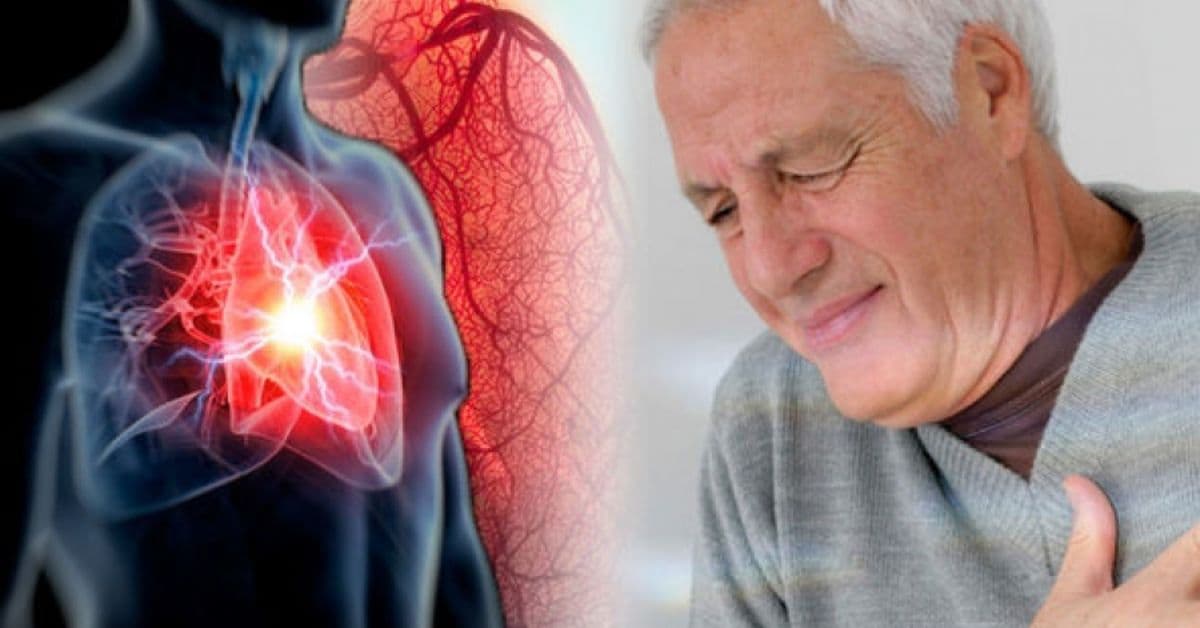
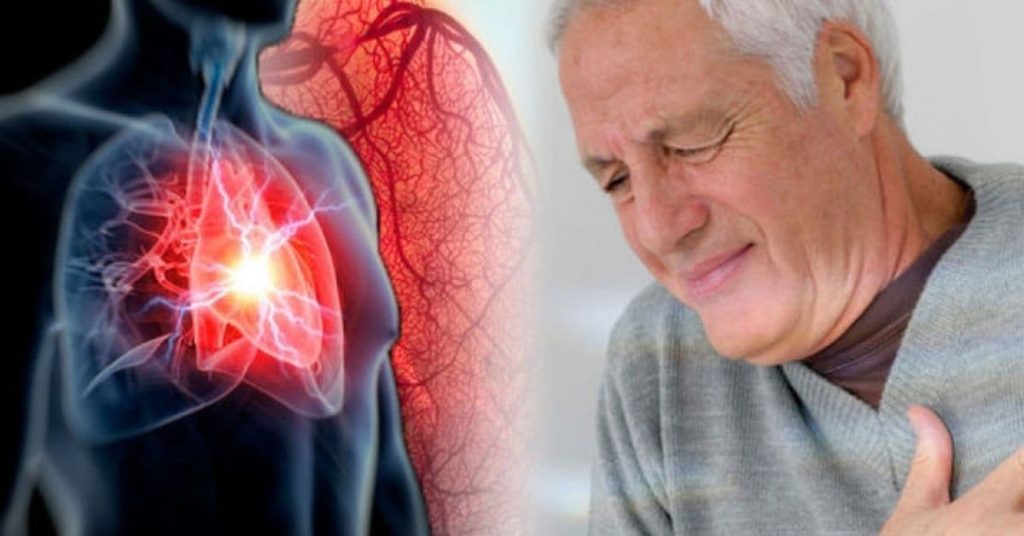
A heart attack, also known as myocardial infarction, is one of the most life-threatening medical emergencies. It occurs when the coronary arteries — the blood vessels responsible for nourishing the heart muscle — become blocked. When this happens, the heart muscle is deprived of oxygen, which can rapidly cause damage or even cell death. Recognizing the warning signs early can be the difference between life and death — for yourself or someone you love.
Why the Heart Matters
The human heart is not just an organ; it is the engine of life. Alongside the brain, kidneys, liver, and lungs, the heart is one of the body’s five most vital organs. It works tirelessly, pumping oxygen-rich blood to every cell and tissue, sustaining life around the clock.
Sadly, heart attacks remain one of the leading causes of death worldwide, affecting millions of men and women of all ages. What makes them so dangerous is that they can strike suddenly and progress rapidly. Contrary to popular belief, not every heart attack comes with crushing chest pain. Sometimes, the symptoms are subtle — or mistaken for something far less serious.
What Exactly Happens During a Heart Attack?
A heart attack develops when one of the arteries that supply blood to the heart muscle becomes suddenly blocked. This blockage usually occurs because of a ruptured plaque in the artery wall, which triggers the formation of a blood clot. Once the flow of oxygen-rich blood is cut off, the affected section of the heart muscle begins to suffer damage.
The longer the muscle goes without oxygen, the greater the damage, and the higher the risk of permanent disability or death. This is why time is critical — every second matters.
4 Critical Warning Signs You Should Never Ignore
Your body often sends urgent signals before or during a heart attack. Recognizing these four key symptoms can save your life.
1. Rapid or Irregular Heartbeat (Arrhythmia)
If you suddenly notice your heart racing, pounding, or skipping beats — especially if it happens without physical exertion — don’t dismiss it. While occasional palpitations can be triggered by stress, anxiety, or caffeine, a sudden or unexplained irregular heartbeat can be an early sign of a heart attack. If your pulse feels erratic and you also feel dizzy, weak, or unwell, seek medical help immediately.
2. Chest Pain or Pressure
The most classic and widely recognized symptom of a heart attack is chest pain or discomfort. It may feel like tightness, fullness, burning, squeezing, or heavy pressure in the center or left side of the chest. Some describe it as “an elephant sitting on the chest.”
This pain can radiate to the left arm, neck, jaw, back, or even the stomach. It may last for several minutes or come and go. If you experience persistent chest discomfort that does not go away with rest, call emergency services right away.
3. Excessive Sweating (Cold Sweats)
Breaking into a sudden cold, clammy sweat for no obvious reason is another major red flag. Unlike normal sweating from exercise or heat, this type of sweating feels unnatural and is often accompanied by weakness, anxiety, or dizziness. If you find yourself sweating heavily while resting or without exertion, especially with other symptoms present, treat it as an emergency.
4. Unusual Fatigue and Weakness
Severe, unexplained fatigue can also signal a heart attack — especially in women. If you feel overwhelmingly tired despite rest, or if even light activities such as climbing stairs or walking across a room leave you exhausted, it could mean your heart is struggling to pump effectively. Persistent weakness that interferes with daily life must never be ignored.
Other Symptoms to Watch Closely
In addition to the four major signs, heart attacks can also present with:
- Shortness of breath, even while resting
- Nausea, vomiting, or abdominal discomfort
- Dizziness or lightheadedness
- Fainting or near-fainting spells
- Sudden confusion or disorientation
Silent Heart Attacks: The Hidden Danger
Not every heart attack is dramatic. In fact, “silent heart attacks” are surprisingly common, particularly in people with diabetes or older adults. These events may occur without chest pain and go completely unnoticed, yet they still cause significant damage to the heart muscle. Because of this, any unusual or unexplained symptom — even mild discomfort — should prompt a medical evaluation.
What To Do If You Suspect a Heart Attack
When it comes to a heart attack, time equals muscle. The sooner treatment begins, the better your chances of survival and recovery. Here’s what to do:
- Call emergency services immediately. Do not try to drive yourself unless absolutely no other option exists.
- Stay calm and still. Sit or lie down to reduce strain on the heart.
- Take prescribed medication. If your doctor has prescribed nitroglycerin, take it as directed while waiting for help.
- Do not ignore symptoms. Hoping the pain will “just go away” can be fatal.
Prevention: How to Protect Your Heart
While genetics play a role in heart disease, most risk factors are within your control. Protect your heart with these proven strategies:
- Quit smoking and limit alcohol consumption
- Eat a balanced diet rich in fruits, vegetables, whole grains, and lean proteins
- Reduce saturated fats, salt, and processed foods
- Exercise regularly, even light daily activity helps
- Manage stress through meditation, breathing exercises, or hobbies
- Keep blood pressure, cholesterol, and blood sugar under control
- Schedule regular check-ups with your healthcare provider
Final Thoughts: Listen to Your Body
Your body is always communicating with you. When something feels off — persistent fatigue, chest pressure, cold sweats, or irregular heartbeat — take it seriously. Ignoring early signs of a heart attack could cost you your life.
Remember, early recognition and immediate medical care can save your heart and your future. Stay alert, stay informed, and protect your most valuable asset: your health.
⚠️ Important Note: Some heart attacks occur without chest pain, particularly in people with diabetes and older adults. If you or someone you know falls into these categories, be especially vigilant. Always seek professional advice if you suspect something is wrong.
Vau.ge – Your Daily Guide for Practical Advice!
Vau.ge is a place where caring for your health, beauty, and daily routines becomes a natural, accessible, and enjoyable experience. Our main goal is to provide you with reliable information about natural remedies, homemade recipes, and practical tips that help you live a healthier life, look better, and simplify your everyday tasks without unnecessary expenses.
Our tips are easy to incorporate into your everyday life — whether it’s skincare, haircare, health-boosting remedies, or small tricks to save time. This knowledge will not only improve your own life but also allow you to share the experience with others, giving more people the chance to live a balanced life naturally and economically.
Please note: The articles on our website are for informational purposes only and do not replace professional medical advice. If you have serious health concerns, please consult a qualified specialist.