






Poor blood circulation is a widespread issue that can affect many areas of daily life, often without people realizing the true cause. The circulatory system is responsible for delivering oxygen and nutrients to every tissue in the body. When circulation slows, the effects can appear gradually through fatigue, heaviness, swelling, and reduced mobility. For some, the discomfort becomes so persistent that it interferes with sleep, mood, and overall wellness.
Various factors can contribute to reduced blood flow. Modern lifestyles often involve long hours of sitting, elevated stress levels, and diets rich in processed foods. Health conditions such as diabetes, cardiovascular disease, and high cholesterol can worsen the problem, and harmful habits like smoking and excessive alcohol intake add to the burden. When toxins accumulate or blood vessels become inflamed, circulation can slow dramatically.
Symptoms of poor circulation often appear in different parts of the body. Many people experience swelling in the extremities, especially around the ankles and fingers. Others notice pain in the joints, a sense of heaviness in the legs, or varicose veins that become increasingly visible with time. Cold hands and feet can indicate reduced blood flow, while fragile nails and weak hair sometimes reflect reduced nutrient transport. In more severe cases, wounds may heal slowly, and the immune system may fail to respond as efficiently. Numbness, tingling, muscle cramping, and difficulty concentrating are other common warning signs. These symptoms vary depending on the cause and severity, making personalized care essential.
While medical treatment is sometimes necessary, many people look for additional natural support. Fortunately, several plants offer gentle, traditional benefits that may help improve circulation. These herbs have been used for generations and are often inexpensive, accessible, and easy to prepare at home. Although no natural remedy should replace professional care, incorporating these plants into a balanced lifestyle may offer comfort and support.
Why Does Blood Circulation Decline?
There are several common triggers:
Chronic stress
Sedentary lifestyle
Diabetes
Poor diet
Cardiovascular conditions
Cholesterol buildup in the arteries
Smoking, alcohol abuse, and exposure to toxins
Some people are more genetically prone to circulation issues than others. For example, if close relatives experienced varicose veins or clotting problems, there may be a higher chance of developing similar symptoms later in life. Prevention plays a key role. Gentle, daily habits can make circulation more efficient, reducing long-term risk.
The good news is that many simple lifestyle changes can be helpful. Regular walking, stretching, hydration, and whole-food nutrition create a supportive foundation. Sitting for long periods should be broken up every hour with small movements. Wearing comfortable clothing that does not restrict blood flow also makes a noticeable difference.
Now, let’s explore four plants traditionally used to encourage healthier blood flow.
Willow Bark
Willow bark contains salicylic acid, a compound known for its natural blood-supporting and anti-inflammatory properties. It has been studied for its ability to gently thin the blood, which may help improve circulation in individuals who struggle with clotting tendencies. For those looking to benefit from its supportive qualities, willow bark tea can be prepared easily at home.
Ingredients:
1 teaspoon of willow bark
1 cup of water
Simply pour boiling water over the bark, cover the container, and allow it to steep for about 10 minutes. Once strained, the infusion can be enjoyed warm. Its subtle flavor makes it a pleasant addition to a daily routine. Many who use it appreciate the sense of relief it brings in areas of tension and heaviness, especially in the legs.
Celery
Celery has strong diuretic properties, meaning it helps the body remove excess fluid. When circulation slows, fluid often accumulates in the extremities or joints. This can cause swelling, stiffness, and discomfort. By gently stimulating urination, celery helps reduce this pressure and encourages blood to flow more freely.
Ingredients:
1 stalk of celery
3 cups of water
Wash and slice the celery, then place it in a pot with the water. Once it boils, remove the pot from the heat, cover it, and allow it to cool for about 10 minutes. The resulting liquid can be consumed on its own or used as a base for soups. People who drink this regularly often report less swelling and a noticeable lightness in the legs.
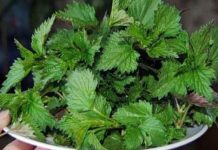
Nettle Leaves
Nettle is a nutrient-dense plant traditionally used to support circulation, especially in individuals prone to anemia. It contains iron, vitamins, and compounds that may have vasodilating properties. This means it can help widen blood vessels slightly, improving overall blood flow.
Ingredients:
1 teaspoon
of nettle leaves
1 cup of water
Add the leaves to boiling water and allow them to simmer briefly. Remove from heat, cover, and wait until the mixture cools to a comfortable temperature. After straining, the tea can be enjoyed once or twice daily. Many herbal enthusiasts appreciate nettle for its energizing qualities.
Linden Flowers
Linden flowers have long been used for their calming and circulation-supportive properties. They are often recommended for individuals who experience nervous tension, stress-related headaches, and chronic fatigue. Their gentle relaxing effect may help reduce blood vessel constriction caused by stress hormones.
Ingredients:
- 1 teaspoon of dried linden flowers
- 1 cup of water
Combine the flowers with water in a small pot and bring to a gentle boil. Remove from heat and let the infusion rest for about 10 minutes before straining. The delicate floral aroma makes this tea especially enjoyable in the evening. It pairs well with relaxation routines and can support restful sleep.
Are These Herbs Right for Everyone?
Results differ depending on the individual, their health condition, and their habits. Some may feel relief quickly, while others require longer-term consistency. It is also important to remember that circulation problems have multiple causes. Someone affected by diabetes requires different adjustments than someone whose symptoms arise from lack of movement.
Still, certain guidelines remain universal:
Maintain a balanced lifestyle
Avoid prolonged inactivity
Prioritize hydration
Eat naturally rich foods
Reduce smoking and alcohol consumption
Herbal teas are a gentle addition to these practices. They should complement — not replace — medical advice.
Supporting Your Body Naturally
Many people overlook circulation until discomfort becomes persistent. Listening to the body early can help prevent complications later. Herbal infusions offer centuries-old support, and while results vary, they provide a natural approach worth exploring.
As with any wellness plan, moderation and awareness are key. Anyone with chronic conditions, ongoing medication use, or allergies should consult a healthcare professional before beginning herbal routines.
With consistency, patience, and attentive lifestyle choices, circulation may improve, energy may increase, and daily comfort can return.
Wishing you balanced, healthy blood flow and renewed vitality.
Vau.ge – Your Daily Guide for Practical Advice!
Vau.ge is a place where caring for your health, beauty, and daily routines becomes a natural, accessible, and enjoyable experience. Our main goal is to provide you with reliable information about natural remedies, homemade recipes, and practical tips that help you live a healthier life, look better, and simplify your everyday tasks without unnecessary expenses.
Our tips are easy to incorporate into your everyday life — whether it’s skincare, haircare, health-boosting remedies, or small tricks to save time. This knowledge will not only improve your own life but also allow you to share the experience with others, giving more people the chance to live a balanced life naturally and economically.
Please note: The articles on our website are for informational purposes only and do not replace professional medical advice. If you have serious health concerns, please consult a qualified specialist.