




Proper blood circulation is crucial for maintaining overall health and vitality. When blood flow is compromised, it can lead to a variety of uncomfortable and even dangerous symptoms, including swelling, fatigue, cold limbs, varicose veins, and more. Fortunately, nature provides us with powerful remedies in the form of medicinal plants. In this article, we will explore four plants that can help normalize blood circulation thanks to their diuretic, anti-inflammatory, and vasoprotective properties. These are affordable, effective, and easy to prepare at home.
What Causes Poor Blood Circulation?
Before diving into the specific plants, it’s important to understand what can trigger problems with blood flow. Poor circulation can be caused by a variety of factors, including:
- Chronic stress
- A sedentary lifestyle (lack of physical activity)
- Diabetes
- Poor nutrition
- Cardiovascular diseases
- Cholesterol buildup in the arteries
- Harmful habits: smoking, excessive alcohol consumption, drug abuse
- Exposure to toxins or highly polluted environments
When your blood is not circulating properly, you might notice symptoms such as:
- Inflammation in the extremities
- Joint pain or heaviness
- Varicose veins
- Cold hands and feet
- Brittle hair and nails
- Slow wound healing
- Weakened immune system
- Persistent fatigue
- Tingling or cramping
- Concentration or memory problems
- Sexual health issues
The exact consequences of poor circulation will vary depending on the root cause and the individual. However, for everyone, the basic advice remains the same: strive for a healthy lifestyle and avoid physical inactivity.
Top 4 Plants That Promote Better Blood Flow
Below are four of the most effective plants for supporting healthy blood circulation. These natural remedies have been used in traditional medicine for centuries and are supported by modern herbal knowledge.
1. Willow Bark
Active Benefit: Willow bark contains salicylic acid, a natural compound similar to the active ingredient in aspirin. Salicylic acid acts as an anticoagulant, meaning it helps prevent blood clots and supports smooth blood flow through the vessels.
How to Use: Prepare a willow bark infusion by pouring boiling water over 1 teaspoon of dried willow bark and letting it steep for 10 minutes. Strain and drink as recommended, usually once a day. However, people who are allergic to aspirin or who are taking blood-thinning medications should consult a doctor before using willow bark.
2. Celery
Active Benefit: Celery is a natural diuretic, meaning it helps remove excess fluids from the body, which can decrease swelling and improve overall circulation. By supporting kidney function and reducing water retention, celery aids in combating heaviness and edema associated with poor blood flow.
How to Use: Wash and chop one celery stalk. Add it to a saucepan with 3 cups of water. Bring to a boil, then cover and let steep for 10 minutes at room temperature. Strain and drink the infusion. This can be consumed once or twice a day.
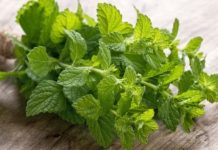
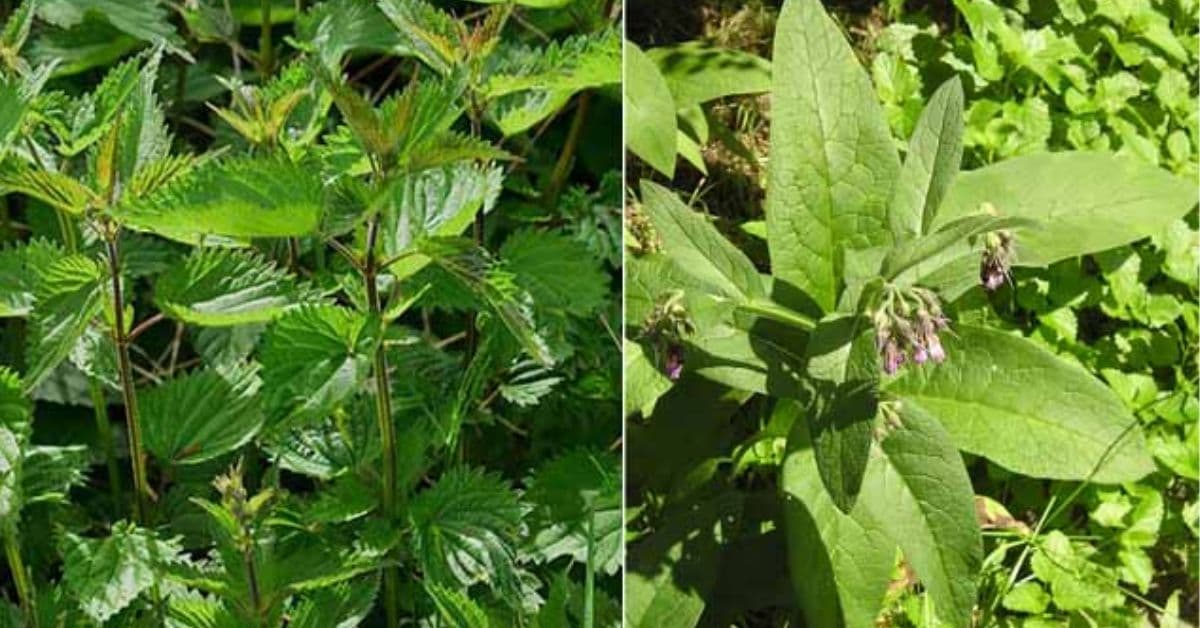
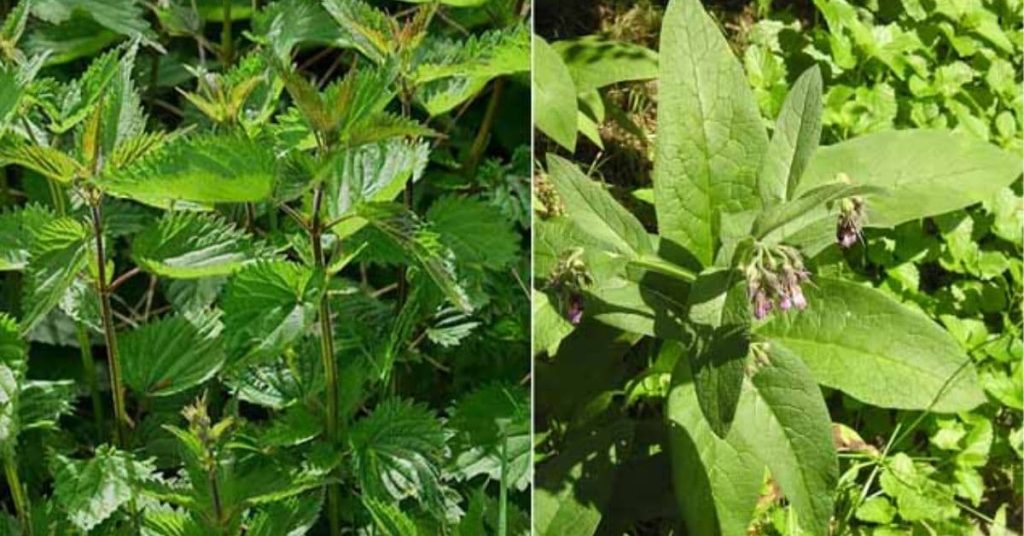
3. Nettle
Active Benefit: Nettle leaves are known for their ability to combat anemia and promote healthy blood. They also have anticoagulant and vasodilatory properties, which means they help prevent clot formation and widen blood vessels, further enhancing blood circulation.
How to Use: Pour one cup of boiling water over one teaspoon of dried nettle leaves. Cover, let steep for 10 minutes, then strain. Drink this infusion twice daily for best results. Nettle is also rich in iron and other minerals, supporting the body’s natural energy production and immune response.
4. Linden Flowers
Active Benefit: Linden (or lime) flowers have been used for centuries to strengthen arteries and relieve blood circulation problems. Their compounds help relieve stress, lower blood pressure, and soothe symptoms of fatigue.
How to Use: Add one teaspoon of dried linden flowers to a small pot with one cup of water. Bring to a gentle boil, then remove from heat and let steep for 10 minutes. Strain and drink the tea. Linden flower infusion can be especially helpful during periods of high stress or when experiencing tired, heavy legs.
General Lifestyle Tips for Healthy Circulation
While these plants can be very helpful, they are most effective when combined with healthy habits, including:
- Engaging in regular physical activity (walking, swimming, stretching)
- Eating a balanced, nutritious diet low in processed foods and rich in fruits and vegetables
- Managing stress through relaxation techniques such as meditation or yoga
- Avoiding smoking and limiting alcohol consumption
- Staying hydrated and getting enough sleep
If you are experiencing persistent symptoms of poor blood circulation, consult a healthcare provider to rule out underlying conditions.
Conclusion
Nature offers us a variety of gentle, effective tools to support our cardiovascular system and enhance blood flow. Willow bark, celery, nettle, and linden flowers are among the top herbal remedies for improving circulation, reducing swelling, and boosting overall vitality. Preparing these infusions at home is simple and affordable, making them accessible for almost everyone.
As with any herbal remedy, remember to use these plants responsibly and consult your doctor, especially if you are taking medication or have existing health conditions. With the right combination of natural remedies and healthy lifestyle choices, you can keep your blood moving freely and your body feeling strong and energized.
Vau.ge – Your Daily Guide for Practical Advice!
Vau.ge is a place where caring for your health, beauty, and daily routines becomes a natural, accessible, and enjoyable experience. Our main goal is to provide you with reliable information about natural remedies, homemade recipes, and practical tips that help you live a healthier life, look better, and simplify your everyday tasks without unnecessary expenses.
Our tips are easy to incorporate into your everyday life — whether it’s skincare, haircare, health-boosting remedies, or small tricks to save time. This knowledge will not only improve your own life but also allow you to share the experience with others, giving more people the chance to live a balanced life naturally and economically.
Please note: The articles on our website are for informational purposes only and do not replace professional medical advice. If you have serious health concerns, please consult a qualified specialist.