











Many people have heard the familiar saying, “Cold hands, warm heart.” While it sounds poetic and comforting, the reality behind constantly cold hands and feet is far more complex. In many cases, the body is simply adapting to external temperature changes. However, when the sensation becomes persistent, frequent, or uncomfortable, it can be a warning sign of deeper health issues. Studies show that women experience this problem significantly more often than men, which suggests that hormones, metabolism, and circulation may play a major role.
As someone who once ignored these symptoms myself, I eventually discovered that cold extremities are often the body’s quiet cry for help. Once I understood the real causes, the path to relief became much clearer.
Why Do Hands and Feet Feel Cold?
Cold extremities are not a disease themselves, but rather a symptom. When blood flow decreases or nerves fail to signal properly, the hands and feet are the first to feel the consequences. Because they are the furthest parts from the heart, subtle changes in circulation affect them quickly.
In many cases, the problem is first noticeable during winter. But when fingers or toes feel icy inside warm rooms, or remain cold even under blankets, it’s time to investigate the root cause.
Common Health Conditions Behind Cold Extremities
While there are many possibilities, several conditions appear most frequently:
Hypothyroidism (underactive thyroid) — When the thyroid gland produces too little hormone, the body’s metabolism slows down. This reduces heat production and overall circulation. People with hypothyroidism often feel cold, tired, and sluggish.
Anemia — Low iron reduces the number of red blood cells, which transport oxygen and heat. Without enough oxygen, tissues feel cool and weak.
Diabetes — Over time, diabetes can damage nerves responsible for temperature sensation. Even if the hands are physically warm, damaged nerves create the illusion of coldness.
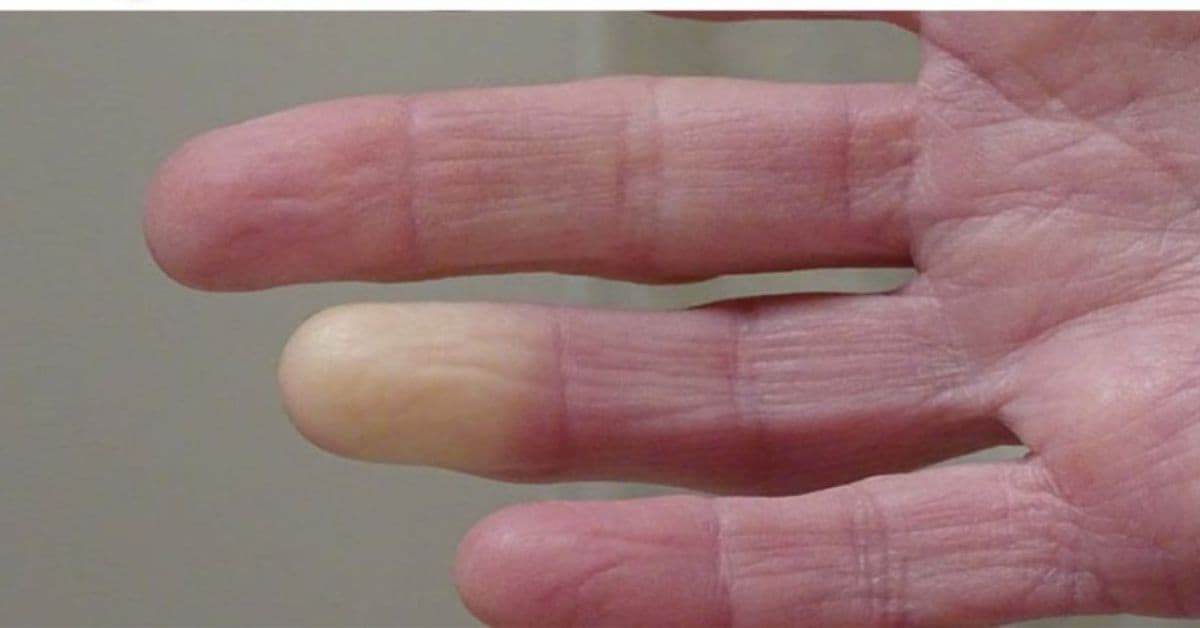
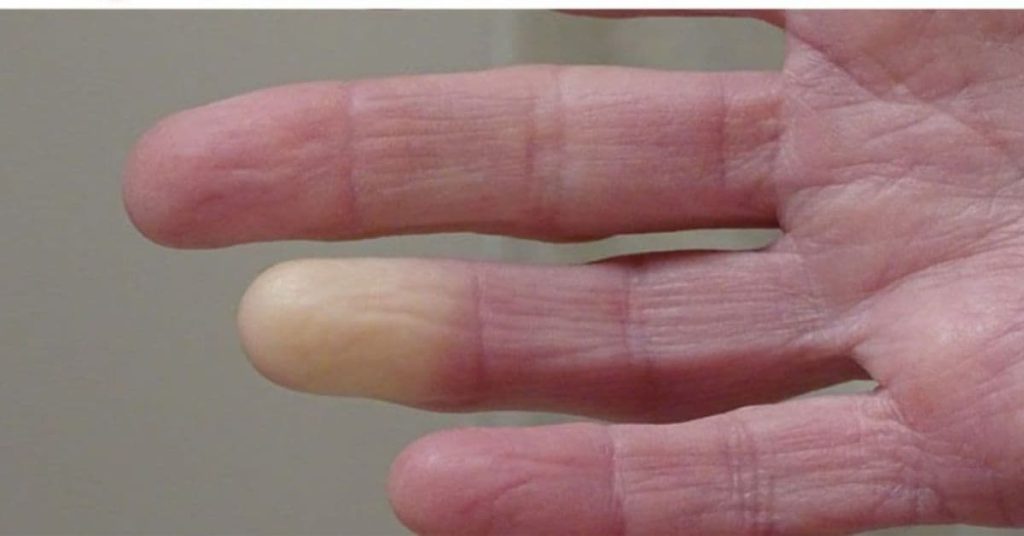
Poor circulation and Reynaud’s disease — In Reynaud’s, blood vessels in the fingers and toes suddenly tighten, turning the skin white or blue.
Thoracic outlet syndrome — This lesser-known problem occurs when nerves exiting the spine near the chest become compressed. Poor posture, muscle tightness, or injury can reduce blood flow to the hands, causing numbness and chills.
Interestingly, women are more vulnerable to nearly all of these issues (with the exception of diabetes). Their endocrine system is more complex, and hormonal fluctuations from menstruation, pregnancy, and menopause influence iron levels, metabolism, and circulation.
When Should You Be Concerned?
Cold hands and feet are concerning when:
- They occur daily or without reason
- They accompany numbness, tingling, or discoloration
- Pain develops when moving fingers or toes
These symptoms suggest something more serious than simply chilly weather.
Lifestyle Influences
While medical conditions are important, daily habits can also worsen circulation:
Sitting for long periods compresses nerves and reduces blood flow. Crossing the legs restricts circulation to the knees and ankles. Tight shoes slow blood flow inside the foot. Cold offices and stress constrict blood vessels, intensifying symptoms.
Even emotional states can contribute; anxiety can trigger adrenaline surges that tighten arteries.
How to Improve Cold Hands and Feet
Thankfully, many solutions are simple and effective when applied consistently.
Wear Proper Clothing
During colder months, insulated socks and gloves are essential. Keep your core warm — when the torso cools down, the body automatically steals heat from fingers and toes to protect vital organs.
Boost Circulation Through Aerobic Exercise
Regular movement widens blood vessels, strengthens the heart, and pushes warm blood toward the extremities. Even short walks make a noticeable difference.
Strengthen Iron Intake
If anemia is the cause, dietary adjustment brings relief quickly. Increase consumption of:
- Leafy greens (spinach, kale, parsley)
- Red meat, especially liver
Cooking with cast-iron pans also naturally increases iron absorption over time.
Correct Bad Posture
Poor posture compresses nerves in the chest, neck, and shoulders, blocking blood flow to the hands. Strengthening upper-back muscles helps decompress these areas and restores circulation.
Train Your Blood Vessels
Alternating warm and cold water — known as contrast therapy — teaches blood vessels to expand and contract properly. It improves flexibility of the vascular walls and stimulates stronger circulation.
When Cold Extremities Signal Hormonal Imbalance
For many women, cold hands and feet are early signs of thyroid dysfunction. When metabolism slows, heat becomes scarce. Because the thyroid affects nearly every cell in the body, even a slight reduction in hormone levels can create noticeable symptoms in the fingers and toes.
Blood tests can confirm thyroid activity easily, and early treatment prevents long-term complications.
The Emotional Component
It might sound surprising, but emotional stress pulls warm blood away from the surface of the skin and sends it deeper to fuel a “fight-or-flight” response. Because hands contain so many nerve endings, they are the first to reflect this change.
Deep breathing, stretching, restful sleep, and reduced caffeine intake can calm the sympathetic nervous system and improve sensation.
Age Matters
As we age, the body naturally becomes less efficient at maintaining warmth. Blood vessels stiffen, the heart pumps slightly slower, and skin thins. This is why older adults often struggle more with cold hands and feet. Strength training, circulation exercises, and warm dietary spices (ginger, cinnamon, turmeric) become invaluable.
Ignoring It Is Not the Answer
Cold extremities are more than a nuisance. They are often an early alarm — a soft whisper before the body begins to shout. By addressing symptoms early, you avoid complications like nerve damage, muscle weakness, or progressive vascular disease.
A Gentle Reminder
Listen to your body. It is always speaking, often quietly. Cold hands and feet are messages about your thyroid, circulation, posture, diet, stress level, or nervous system. Try simple lifestyle adjustments, observe the response, and consult a healthcare professional if symptoms persist.
Warmth is comfort, but also communication — a sign of good circulation, nourishment, and cellular vitality.
Stay active, keep your muscles strong, feed your blood, and protect your circulation. The result is simple: warmer fingers, steadier balance, sharper focus, and renewed energy throughout the day.
Vau.ge – Your Daily Guide for Practical Advice!
Vau.ge is a place where caring for your health, beauty, and daily routines becomes a natural, accessible, and enjoyable experience. Our main goal is to provide you with reliable information about natural remedies, homemade recipes, and practical tips that help you live a healthier life, look better, and simplify your everyday tasks without unnecessary expenses.
Our tips are easy to incorporate into your everyday life — whether it’s skincare, haircare, health-boosting remedies, or small tricks to save time. This knowledge will not only improve your own life but also allow you to share the experience with others, giving more people the chance to live a balanced life naturally and economically.
Please note: The articles on our website are for informational purposes only and do not replace professional medical advice. If you have serious health concerns, please consult a qualified specialist.