
















Diabetes is one of the fastest-growing chronic conditions worldwide, and yet many people still overlook its early warning signs. According to statistics, more than 387 million people around the globe live with diabetes — and that number continues to rise every year. What makes this disease especially dangerous is that it often develops silently, without obvious symptoms at first. By the time many patients are diagnosed, complications may already have started.
That’s why recognizing the early signs of diabetes is absolutely essential. Understanding these symptoms not only helps in early detection but can also prevent serious health problems later on. In this article, we will look at 10 of the most common warning signs of diabetes, explain why they happen, and why it’s important not to dismiss them.
What Is Diabetes?
Diabetes is an autoimmune and metabolic disease that develops due to high levels of sugar (glucose) in the blood. It occurs when the body either does not produce enough insulin or cannot use insulin properly. Insulin is the hormone responsible for moving sugar from the bloodstream into the cells, where it is used for energy. Without enough insulin — or with insulin resistance — glucose builds up in the blood, damaging organs and tissues over time.
There are three main types of diabetes:
- Type 1 Diabetes: The immune system attacks the pancreas, which produces little to no insulin.
- Type 2 Diabetes: The most common form, usually linked to insulin resistance. The body makes insulin but does not use it effectively.
- Gestational Diabetes (Type 3): Develops during pregnancy and can affect both mother and child if untreated.
Risk Factors for Diabetes
Some people are more prone to developing diabetes due to genetics and lifestyle. Common risk factors include:
- Family history of diabetes
- Obesity and poor diet
- Lack of physical activity
- High cholesterol and triglycerides
- Vitamin D deficiency
- High blood pressure
- Polycystic ovary syndrome (PCOS) in women
Of these, Type 2 diabetes is the most widespread and is often linked to lifestyle factors. Still, it’s important to note that anyone can develop diabetes, regardless of age or body type.
10 Early Warning Signs of Diabetes
Here are the most common symptoms that should never be ignored:
1. Frequent Urination
One of the hallmark signs of both type 1 and type 2 diabetes is frequent urination, also known as polyuria. When blood sugar levels are too high, the kidneys work overtime to filter and remove excess glucose. This leads to more trips to the bathroom, especially at night. If you notice you’re urinating far more often than usual, it’s worth checking your blood sugar.
2. Constant Thirst
Frequent urination often leads to dehydration, making you feel excessively thirsty. Many people try to quench this thirst with juice, soda, or other sweetened drinks, which only worsen the problem. If you find that your thirst persists even after drinking water, it could be a sign of diabetes.
3. Increased Hunger
Another early symptom is feeling hungry all the time. Despite eating, your body’s cells are not absorbing glucose properly, which means your body is still craving fuel. This persistent hunger often leads to overeating and weight fluctuations. If you notice you’re eating more than usual and still feeling unsatisfied, it’s important to consult a doctor.
4. Slow-Healing Wounds
High blood sugar damages blood vessels and reduces circulation. This means oxygen and nutrients cannot reach wounds as quickly, leading to slow healing cuts, bruises, or sores. Even small injuries can take weeks to heal, increasing the risk of infection.
5. Frequent Infections
Because diabetes weakens the immune system, people with the condition are more prone to recurrent infections, especially urinary tract infections, yeast infections, and skin problems. If you notice infections that keep coming back, this may be a strong indicator of underlying high blood sugar.
6. Unexplained Weight Loss
While obesity is linked to type 2 diabetes, sudden weight loss is also a warning sign. This happens when the body cannot properly absorb glucose from food and instead starts burning muscle and fat for energy. Frequent urination also causes water loss, contributing to rapid weight reduction.
7. Fatigue and Weakness
One of the most overlooked symptoms is chronic fatigue. Without proper glucose absorption, the body’s cells are starved of energy. This leads to constant tiredness, weakness, and difficulty focusing. If you find yourself exhausted even after sleeping well, it could be more than just stress.
8. Blurred Vision
High blood sugar causes swelling in the lens of the eye, leading to blurred or distorted vision. If left untreated, diabetes can cause permanent damage to the retina and even blindness. Sudden changes in vision should always be taken seriously.
9. Tingling or Numbness
Diabetes can damage nerves, leading to a condition known as diabetic neuropathy. This often starts with tingling, numbness, or burning sensations in the hands and feet. Early recognition is key to preventing long-term nerve damage.
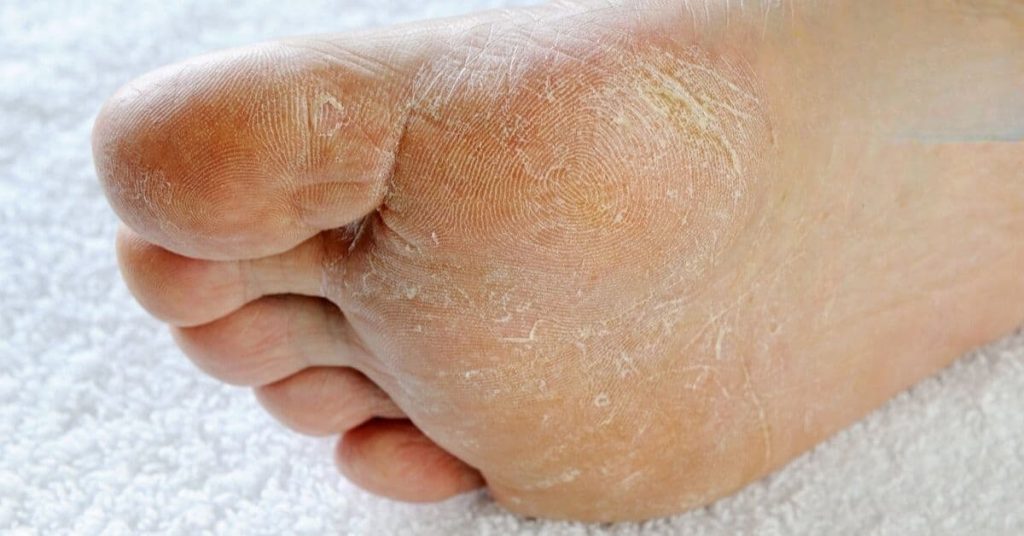
10. Dry, Itchy Skin
When blood circulation is reduced, the skin often becomes dry and itchy. Poor circulation combined with dehydration makes skin problems more common in diabetics. This can also be an early sign that your body is struggling with glucose regulation.
Why You Shouldn’t Ignore These Signs
Ignoring early symptoms of diabetes can lead to serious complications such as heart disease, kidney failure, nerve damage, and vision problems. The sooner diabetes is diagnosed, the easier it is to manage with lifestyle changes, medication, and proper diet.
What to Do if You Notice These Symptoms
If you recognize one or more of these signs in yourself, don’t panic — but don’t ignore them either. Schedule a check-up with your doctor and request a blood glucose test. Early diagnosis makes a huge difference in treatment outcomes and quality of life.
Final Thoughts
Diabetes may be a lifelong condition, but with the right care and early detection, it does not have to control your life. Knowing the symptoms — like frequent urination, extreme thirst, unexplained weight loss, or slow-healing wounds — can be the first step toward protecting your health.
Remember: your body always gives warning signs. Listen to them.
Vau.ge – Your Daily Guide for Practical Advice!
Vau.ge is a place where caring for your health, beauty, and daily routines becomes a natural, accessible, and enjoyable experience. Our main goal is to provide you with reliable information about natural remedies, homemade recipes, and practical tips that help you live a healthier life, look better, and simplify your everyday tasks without unnecessary expenses.
Our tips are easy to incorporate into your everyday life — whether it’s skincare, haircare, health-boosting remedies, or small tricks to save time. This knowledge will not only improve your own life but also allow you to share the experience with others, giving more people the chance to live a balanced life naturally and economically.
Please note: The articles on our website are for informational purposes only and do not replace professional medical advice. If you have serious health concerns, please consult a qualified specialist.